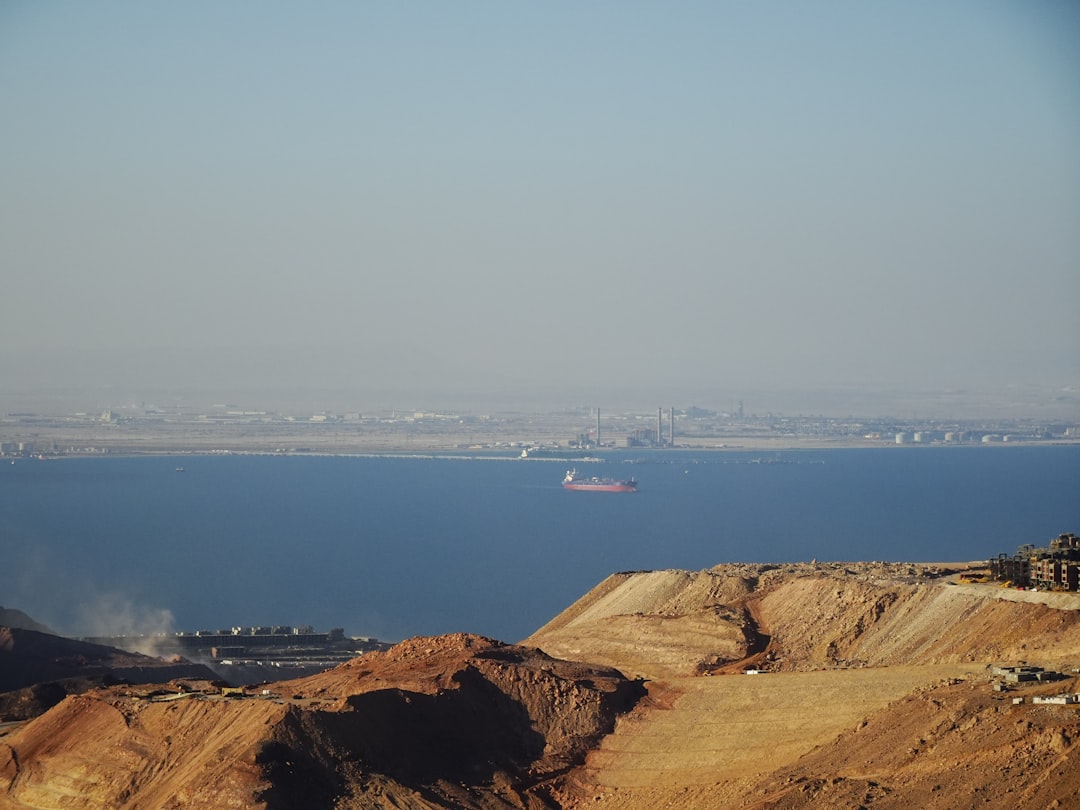
The Suez Canal opened in 1869 as a major engineering accomplishment that transformed global maritime transportation. French diplomat Ferdinand de Lesseps led the construction project to address the need for a shorter shipping route between Europe and Asia. Before the canal’s completion, vessels were required to travel around the Cape of Good Hope at Africa’s southern tip, adding approximately 4,300 miles to the journey and increasing voyage time and costs.
The canal reduced the distance between European and Asian ports by roughly 40%, significantly improving trade efficiency and reducing transportation expenses. The canal’s strategic importance has made it a source of international conflict throughout its history. Multiple nations have sought control over this vital shipping lane due to its economic and military significance.
This event highlighted the waterway’s central role in Cold War geopolitics and marked a shift in Middle Eastern power dynamics. The canal has experienced several closures due to conflicts, including an eight-year shutdown from 1967 to 1975 following the Six-Day War, demonstrating its vulnerability to regional instability and its critical importance to global commerce.
Key Takeaways
- The Suez Canal has been a critical maritime route with significant historical and geopolitical importance.
- It plays a vital role in global trade and energy security by facilitating the efficient transport of goods and oil.
- Disruptions in the canal can severely impact global supply chains and energy markets.
- Securing strategic reserves through the canal requires addressing various challenges, including geopolitical risks and international cooperation.
- Ensuring the canal’s safety and security is essential for maintaining its future role in global strategic reserves and trade stability.
The Role of the Suez Canal in Global Trade
The Suez Canal serves as a vital artery for global trade, facilitating the movement of goods between Europe, Asia, and beyond. Approximately 12% of global trade passes through this narrow waterway, underscoring its significance in the interconnected world economy. The canal allows for the swift transit of container ships, oil tankers, and bulk carriers, enabling countries to import and export goods with unprecedented efficiency.
This efficiency not only reduces shipping times but also lowers transportation costs, which can have a cascading effect on consumer prices and economic growth. Moreover, the Suez Canal has become increasingly important in the context of changing trade patterns. As emerging economies in Asia continue to grow, the demand for efficient shipping routes has intensified.
The canal’s ability to accommodate larger vessels has further solidified its position as a key player in global logistics. The expansion of the canal in 2015, which allowed for two-way traffic and increased capacity, exemplifies its adaptability to the evolving needs of international trade. As global supply chains become more complex and interdependent, the Suez Canal remains an indispensable link that facilitates economic exchange on a massive scale.
The Strategic Importance of the Suez Canal for Energy Security
Energy security is a paramount concern for nations around the world, and the Suez Canal plays a crucial role in ensuring the steady flow of oil and gas supplies. A significant portion of the world’s crude oil travels through this vital waterway, making it an essential conduit for energy resources. For countries reliant on imported energy, any disruption in the flow through the Suez Canal can have immediate and far-reaching consequences.
The canal not only serves as a shortcut for oil tankers but also acts as a strategic chokepoint that can influence global energy prices and availability. The strategic importance of the Suez Canal extends beyond its role in transporting oil. It is also a key route for liquefied natural gas (LNG) shipments, which have become increasingly vital in meeting global energy demands.
As countries transition towards cleaner energy sources, LNG has gained prominence as a more environmentally friendly alternative to traditional fossil fuels. The canal’s ability to facilitate these shipments underscores its significance in shaping energy markets and ensuring that nations can secure their energy needs amidst fluctuating geopolitical landscapes.
The Impact of Suez Canal Disruptions on Global Supply Chains
Disruptions to the Suez Canal can have profound implications for global supply chains, highlighting the interconnectedness of modern trade networks. Events such as accidents, blockages, or geopolitical tensions can lead to significant delays in shipping schedules, resulting in cascading effects throughout various industries. For instance, when the Ever Given container ship became lodged in the canal in March 2021, it caused a massive backlog of vessels waiting to transit.
This incident not only delayed deliveries but also led to increased shipping costs and shortages of goods in markets around the world. The ripple effects of such disruptions extend beyond immediate logistical challenges. Industries reliant on just-in-time inventory systems are particularly vulnerable to delays caused by Suez Canal disruptions.
Manufacturers may face production halts due to shortages of essential components, while retailers may struggle to meet consumer demand for products. The incident with the Ever Given served as a stark reminder of how fragile global supply chains can be and prompted many companies to reevaluate their reliance on single routes for transportation. As businesses seek to build resilience into their supply chains, the importance of diversifying shipping routes and strategies becomes increasingly evident.
Securing Strategic Reserves through the Suez Canal
| Metric | Value | Unit | Description |
|---|---|---|---|
| Strategic Oil Reserves Capacity | 75 | Million Barrels | Estimated total capacity of strategic oil reserves near the Suez Canal |
| Average Daily Throughput | 19.6 | Million Barrels per Day | Average volume of oil passing through the Suez Canal daily |
| Reserve Coverage Duration | 3.8 | Days | Number of days the strategic reserves can cover average daily throughput |
| Storage Facilities | 5 | Number | Number of major strategic reserve storage facilities near the canal |
| Emergency Release Capacity | 5 | Million Barrels per Day | Maximum daily volume that can be released from reserves in emergencies |
| Year Established | 2015 | Year | Year when strategic reserves near the Suez Canal were officially established |
The Suez Canal is not only vital for immediate trade but also plays a crucial role in securing strategic reserves for nations around the world. Countries often maintain strategic petroleum reserves (SPR) as a buffer against potential supply disruptions caused by geopolitical tensions or natural disasters. The canal serves as a key transit point for these reserves, allowing nations to import crude oil and other essential resources efficiently.
By utilizing this critical waterway, countries can ensure that they have adequate supplies on hand to respond to emergencies or fluctuations in global markets. In addition to oil reserves, the Suez Canal is also significant for securing other strategic commodities such as grains and metals. As nations grapple with food security concerns and resource scarcity, maintaining access to these essential supplies becomes increasingly important.
The canal’s role in facilitating trade in these commodities underscores its broader significance in ensuring national security and economic stability. By leveraging the advantages offered by the Suez Canal, countries can bolster their strategic reserves and enhance their resilience against potential shocks.
Challenges and Risks to Securing Strategic Reserves via the Suez Canal
While the Suez Canal offers numerous advantages for securing strategic reserves, it is not without its challenges and risks. Geopolitical tensions in the region can pose significant threats to the uninterrupted flow of goods through this vital waterway. Conflicts involving neighboring countries or terrorist activities can create uncertainty for shipping companies and governments alike.
Such risks necessitate careful planning and risk management strategies to ensure that nations can maintain their strategic reserves without interruption. Additionally, environmental concerns present another layer of complexity when it comes to securing strategic reserves via the Suez Canal. The increasing frequency of extreme weather events due to climate change raises questions about the canal’s long-term viability as a reliable shipping route.
Rising sea levels and potential flooding could impact navigation and infrastructure along the canal, posing risks to both commercial shipping and national security interests. As countries seek to secure their strategic reserves through this critical waterway, they must also consider how to mitigate these environmental risks while ensuring continued access.
The Role of International Cooperation in Securing Strategic Reserves
International cooperation is essential for effectively securing strategic reserves through the Suez Canal. Given its significance as a global trade route and energy corridor, collaboration among nations is crucial for addressing shared challenges related to security and logistics. Multilateral agreements can facilitate information sharing and coordination among countries that rely on the canal for their strategic needs.
By working together, nations can enhance their collective resilience against potential disruptions while ensuring that trade flows smoothly. Furthermore, international cooperation can extend beyond governmental efforts to include partnerships with private sector stakeholders involved in shipping and logistics. Shipping companies play a vital role in navigating potential risks associated with transit through the Suez Canal.
By fostering dialogue between governments and industry leaders, countries can develop comprehensive strategies that address both security concerns and operational efficiencies.
The Geopolitical Implications of the Suez Canal’s Security
The security of the Suez Canal carries significant geopolitical implications that extend far beyond its immediate vicinity. As a critical chokepoint for global trade and energy supplies, any threat to its security can reverberate throughout international relations. Nations that rely heavily on this waterway may find themselves compelled to engage diplomatically or militarily to protect their interests.
This dynamic underscores how control over maritime routes can influence power balances among nations and shape geopolitical alliances. Moreover, the Suez Canal’s security is often intertwined with broader regional issues such as conflicts in the Middle East or tensions between major powers. For instance, any instability affecting Egypt or neighboring countries could have direct consequences for shipping through the canal.
As such, maintaining security within this vital waterway requires not only national efforts but also regional cooperation among neighboring states. The geopolitical implications of securing the Suez Canal highlight its importance as a focal point for international diplomacy and strategic planning.
Ensuring the Safety and Security of the Suez Canal
Ensuring the safety and security of the Suez Canal is paramount for maintaining its status as a vital trade route. Various measures have been implemented over the years to enhance security protocols within this critical waterway. These include increased surveillance capabilities, improved navigation systems, and enhanced emergency response plans designed to address potential incidents swiftly.
By investing in infrastructure improvements and technology upgrades, authorities aim to mitigate risks associated with maritime traffic while ensuring safe passage for vessels transiting through the canal. Additionally, collaboration between national governments and international organizations plays a crucial role in safeguarding the canal’s security. Joint exercises involving naval forces from multiple countries can enhance preparedness against potential threats such as piracy or terrorism.
Furthermore, information sharing among nations regarding emerging risks or incidents can foster a collective approach toward ensuring safety within this vital maritime corridor. By prioritizing security measures at both national and international levels, stakeholders can work together to protect one of the world’s most important waterways.
The Future of Securing Strategic Reserves through the Suez Canal
Looking ahead, securing strategic reserves through the Suez Canal will require adaptability in response to evolving global dynamics. As geopolitical landscapes shift and environmental challenges intensify, nations must remain vigilant about potential disruptions that could impact their access to essential resources. Embracing innovative technologies such as digital tracking systems or predictive analytics can enhance supply chain resilience while improving efficiency within maritime operations.
Moreover, fostering international cooperation will be critical for navigating future challenges related to securing strategic reserves via this vital waterway. Collaborative efforts among nations can facilitate information sharing regarding emerging risks while promoting best practices for managing logistics effectively. By prioritizing partnerships across borders—whether through multilateral agreements or public-private collaborations—countries can strengthen their collective ability to safeguard strategic reserves while ensuring continued access through one of history’s most significant maritime routes.
The Continued Importance of the Suez Canal for Strategic Reserves
In conclusion, the Suez Canal remains an indispensable asset for securing strategic reserves in an increasingly interconnected world. Its historical significance as a transformative engineering feat continues to resonate today as it facilitates global trade and energy flows essential for economic stability. However, challenges related to geopolitical tensions, environmental risks, and supply chain disruptions underscore the need for proactive measures aimed at safeguarding this vital waterway.
As nations navigate these complexities moving forward—through enhanced security protocols or strengthened international cooperation—the importance of maintaining access to strategic reserves via the Suez Canal will only grow more pronounced. By recognizing its multifaceted role within global trade networks while prioritizing collaborative efforts among stakeholders across borders—governments, industries alike—countries can ensure that they remain resilient against potential shocks while harnessing opportunities presented by one of history’s most significant maritime corridors.
The Suez Canal plays a crucial role in global trade, and the strategic reserves associated with it are vital for ensuring the smooth flow of goods. For a deeper understanding of the implications of these reserves on international shipping and trade dynamics, you can read more in this related article on MyGeoQuest: Suez Canal Strategic Reserves.
FAQs
What are the Suez Canal strategic reserves?
The Suez Canal strategic reserves refer to stockpiles of essential goods, fuel, and materials maintained to ensure uninterrupted operations and supply chain stability in the event of disruptions affecting the Suez Canal.
Why are strategic reserves important for the Suez Canal?
Strategic reserves are important because the Suez Canal is a critical global shipping route. Reserves help mitigate the impact of blockages, geopolitical tensions, or other emergencies that could disrupt maritime traffic and global trade.
What types of materials are typically included in the Suez Canal strategic reserves?
The reserves typically include fuel, lubricants, spare parts for canal infrastructure, emergency supplies, and sometimes essential commodities that support the canal’s operation and nearby economies.
Who manages the Suez Canal strategic reserves?
The reserves are managed by the Suez Canal Authority in coordination with the Egyptian government and relevant agencies responsible for national security and economic stability.
How do strategic reserves help during a crisis in the Suez Canal?
During a crisis, strategic reserves provide necessary resources to maintain canal operations, support emergency response efforts, and ensure that shipping and trade can continue with minimal disruption.
Have the Suez Canal strategic reserves been used in recent incidents?
Yes, during incidents such as the 2021 blockage of the canal by the Ever Given container ship, strategic reserves and contingency plans were crucial in managing the situation and minimizing economic impact.
Are there international collaborations related to the Suez Canal strategic reserves?
While the reserves are primarily managed by Egypt, international stakeholders, including shipping companies and global trade organizations, often collaborate on contingency planning and information sharing related to the canal’s security and operations.
How can the Suez Canal strategic reserves be improved?
Improvements can include increasing the quantity and variety of reserves, enhancing infrastructure resilience, investing in advanced monitoring systems, and strengthening international cooperation for rapid response to disruptions.