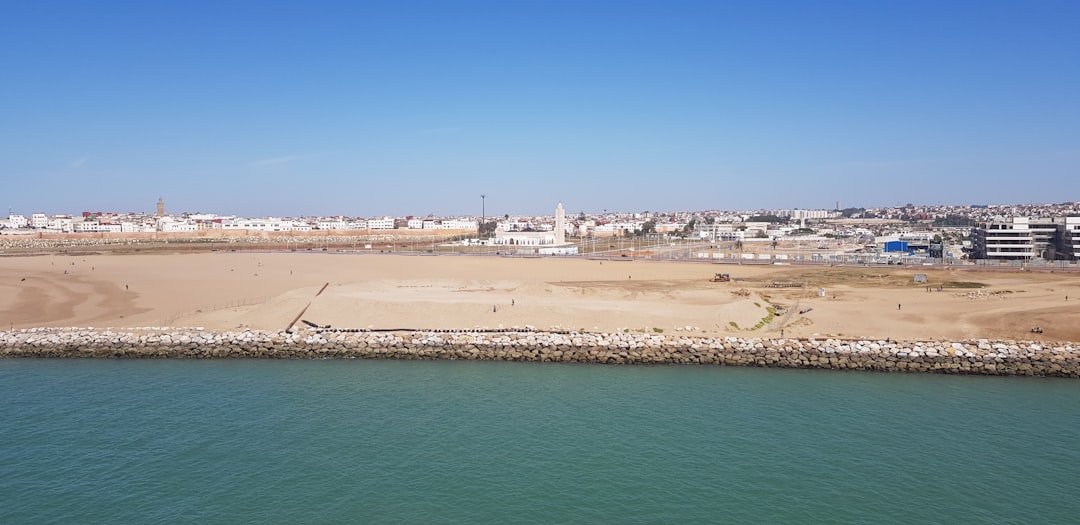
The Suez Canal stands as one of the most significant engineering marvels of the modern world, serving as a vital artery for global trade and maritime navigation. This artificial waterway, which connects the Mediterranean Sea to the Red Sea, allows ships to bypass the lengthy and perilous journey around the southern tip of Africa. The canal not only facilitates the movement of goods between Europe and Asia but also plays a crucial role in shaping international trade dynamics.
Its strategic location has made it a focal point for geopolitical interests, underscoring its importance in both historical and contemporary contexts. As a man-made structure, the Suez Canal is a testament to human ingenuity and ambition. Spanning approximately 120 miles, it was designed to accommodate large vessels, significantly reducing travel time and costs for shipping companies.
The canal’s operational efficiency has made it an indispensable route for oil tankers, container ships, and bulk carriers alike. However, despite its remarkable contributions to global commerce, the Suez Canal faces numerous challenges that threaten its integrity and functionality, including environmental issues such as bank erosion.
Key Takeaways
- The Suez Canal is a vital waterway connecting the Mediterranean and Red Seas, crucial for global trade.
- Bank erosion poses a significant threat to the canal’s structural integrity and navigability.
- Causes of erosion include natural water currents, human activities, and climate-related factors.
- Mitigation efforts involve engineering solutions and environmental management to preserve the canal.
- Protecting the canal is essential for economic stability and requires ongoing monitoring and sustainable practices.
History of Suez Canal
The history of the Suez Canal is rich and complex, marked by ambition, conflict, and innovation. The idea of constructing a waterway connecting the Mediterranean and Red Seas dates back to ancient times, with early references found in Egyptian texts. However, it was not until the mid-19th century that the modern Suez Canal took shape under the leadership of French engineer Ferdinand de Lesseps.
The canal was officially opened on February 17, 1867, after ten years of intense labor and investment. Its inauguration marked a turning point in maritime history, as it revolutionized trade routes and established new economic connections between continents. The canal’s construction was not without controversy.
It involved significant political maneuvering and negotiations with various stakeholders, including the Egyptian government and European powers. Following its completion, the Suez Canal quickly became a strategic asset, leading to increased colonial interests in the region. The canal’s control changed hands several times throughout the 20th century, particularly during the Suez Crisis of 1956 when Egypt nationalized the waterway, prompting military intervention from Britain, France, and Israel.
This event underscored the canal’s geopolitical significance and its role as a flashpoint in international relations.
Importance of Suez Canal
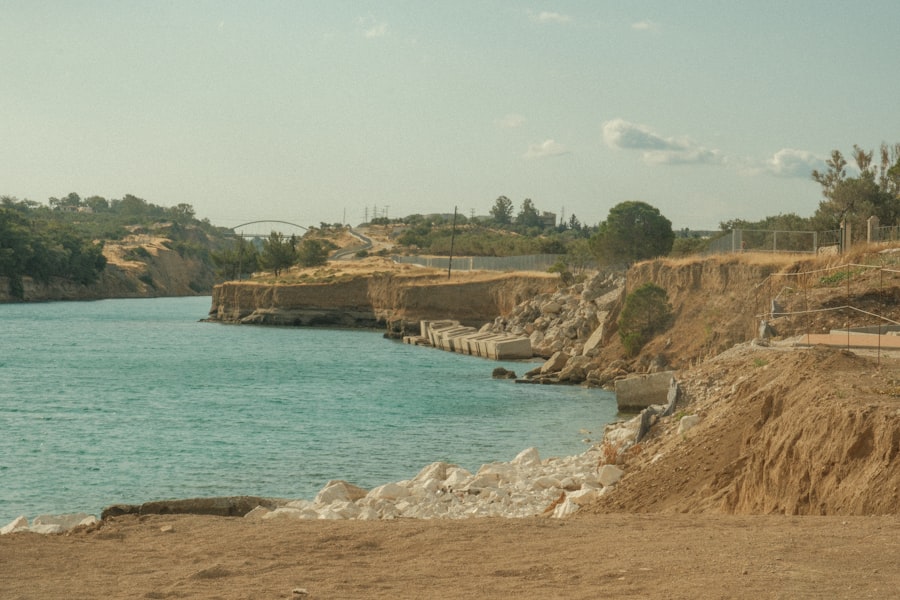
The importance of the Suez Canal cannot be overstated; it serves as a critical conduit for global trade, facilitating approximately 12% of total world trade. The canal significantly reduces travel distances for vessels, allowing them to save both time and fuel costs. For instance, a ship traveling from Europe to Asia can save around 7,000 kilometers by using the Suez Canal instead of navigating around Africa’s Cape of Good Hope.
This efficiency has made it an essential route for shipping companies seeking to optimize their operations and reduce transit times. Moreover, the canal plays a pivotal role in the energy sector, with a substantial portion of the world’s oil and liquefied natural gas (LNG) shipments passing through its waters. The strategic significance of the Suez Canal extends beyond mere logistics; it influences global energy prices and supply chains.
Any disruption in its operations can have far-reaching consequences on international markets, highlighting its role as a barometer for global economic stability. As such, maintaining the canal’s functionality is paramount for both regional economies and global trade networks.
Bank erosion threat
Despite its historical significance and economic importance, the Suez Canal faces a growing threat from bank erosion. This phenomenon occurs when soil and sediment along the banks of the canal are washed away or destabilized, leading to potential structural damage and navigational hazards. Bank erosion can compromise the integrity of the canal’s infrastructure, posing risks not only to vessels traversing its waters but also to the surrounding ecosystems that depend on stable shorelines.
The threat of bank erosion is exacerbated by various environmental factors, including rising sea levels and increased storm intensity due to climate change. As water levels fluctuate and weather patterns become more unpredictable, the banks of the canal are subjected to greater stress. This situation necessitates urgent attention from authorities responsible for maintaining the canal’s safety and operational efficiency.
Causes of bank erosion
| Metric | Value | Unit | Notes |
|---|---|---|---|
| Annual Bank Erosion Rate | 0.5 – 1.2 | meters/year | Varies along different sections of the canal |
| Length of Eroded Banks | 15 | kilometers | Estimated total length affected by erosion |
| Average Sediment Loss | 200,000 | cubic meters/year | Material lost due to erosion annually |
| Bank Protection Measures | 75 | percent | Percentage of canal banks reinforced or protected |
| Impact on Navigation | Moderate | N/A | Some sections require frequent dredging |
| Primary Causes | Ship wakes, water currents, wind | N/A | Factors contributing to bank erosion |
Several factors contribute to bank erosion in the Suez Canal, each interlinked with broader environmental changes. One primary cause is the alteration of natural sediment transport processes due to human intervention. The construction of dams and other infrastructure upstream has disrupted sediment flow into the canal, leading to an imbalance that accelerates erosion along its banks.
Without adequate sediment replenishment, areas along the canal become increasingly vulnerable to erosion. Additionally, climate change plays a significant role in exacerbating bank erosion. Rising sea levels increase water pressure against the canal’s banks, while more frequent and intense storms can lead to higher wave action that further destabilizes soil structures.
The combination of these factors creates a precarious situation for the canal’s banks, necessitating comprehensive studies to understand their dynamics better and develop effective mitigation strategies.
Impact of bank erosion on Suez Canal
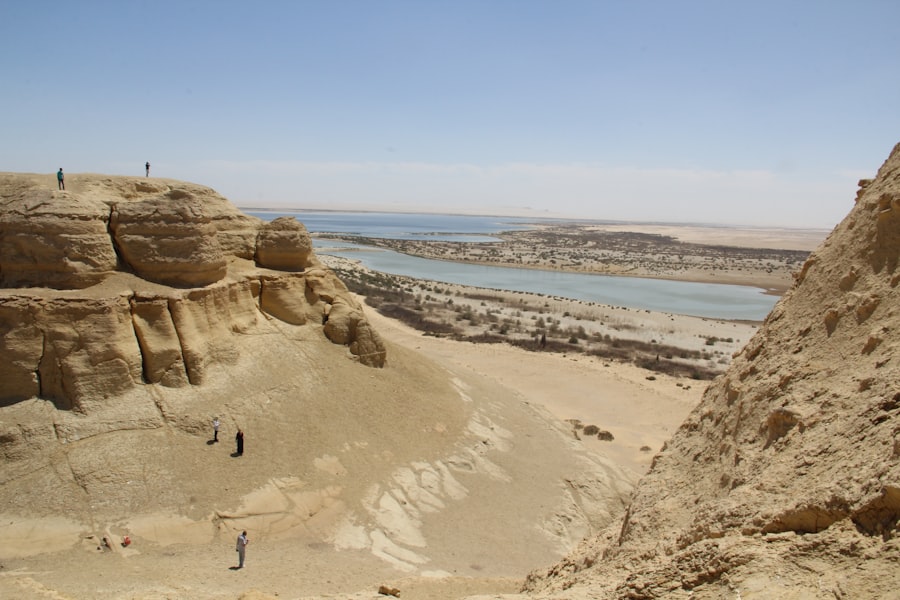
The impact of bank erosion on the Suez Canal is multifaceted, affecting not only navigation but also environmental stability and economic viability. As erosion progresses, it can lead to narrower passages within the canal, increasing congestion and potentially causing delays for vessels waiting to transit. Such delays can have cascading effects on global supply chains, resulting in increased shipping costs and disruptions in delivery schedules.
Moreover, bank erosion poses environmental risks by threatening local ecosystems that rely on stable shorelines for habitat and nourishment. The loss of vegetation along the banks can lead to increased sedimentation in the waterway itself, further degrading water quality and impacting marine life.
Efforts to mitigate bank erosion
In response to the growing threat of bank erosion, various efforts have been initiated to mitigate its effects on the Suez Canal. Authorities have begun implementing engineering solutions aimed at reinforcing vulnerable sections of the canal’s banks. These measures may include constructing barriers or revetments designed to absorb wave energy and prevent soil loss.
Additionally, dredging operations are conducted periodically to maintain navigable depths while also addressing sediment buildup that can exacerbate erosion. Collaboration with environmental scientists has also become increasingly important in developing sustainable strategies for managing bank erosion. Research initiatives focus on understanding sediment dynamics and identifying natural solutions that can enhance bank stability without compromising ecological integrity.
By integrating scientific insights with engineering practices, stakeholders aim to create a comprehensive approach that addresses both immediate concerns and long-term sustainability.
Environmental concerns
The environmental concerns surrounding bank erosion in the Suez Canal extend beyond immediate structural risks; they encompass broader ecological implications as well. The canal serves as a critical habitat for various species of fish and other marine life that thrive in its waters. Erosion can disrupt these habitats by altering water quality and sediment composition, leading to declines in biodiversity.
Furthermore, increased sedimentation resulting from bank erosion can have detrimental effects on water clarity and temperature regulation within the canal ecosystem. These changes can impact fish populations and other aquatic organisms that rely on specific conditions for survival. As such, addressing bank erosion is not merely an engineering challenge but also an environmental imperative that requires careful consideration of ecological health alongside economic interests.
Economic implications
The economic implications of bank erosion in the Suez Canal are profound, affecting not only local economies but also global markets at large. Disruptions caused by navigational hazards or delays can lead to increased shipping costs that ripple through supply chains worldwide. For countries reliant on imports or exports passing through this vital waterway, any interruption can have significant consequences for trade balances and economic stability.
Moreover, as shipping companies face rising operational costs due to delays or increased insurance premiums associated with navigating an eroding canal, they may seek alternative routes or methods of transportation altogether. This shift could lead to decreased traffic through the Suez Canal over time, undermining its status as a key maritime route and potentially impacting revenue generated from tolls levied on vessels transiting through its waters.
Future of Suez Canal
The future of the Suez Canal hinges on addressing both immediate challenges such as bank erosion and long-term sustainability considerations. As global trade continues to evolve with advancements in technology and changing economic landscapes, maintaining the canal’s relevance will require ongoing investment in infrastructure improvements and environmental stewardship. Stakeholders must prioritize collaborative efforts that integrate engineering solutions with ecological preservation strategies.
By fostering partnerships between governments, environmental organizations, and industry leaders, there is potential for innovative approaches that enhance both navigational safety and ecological health within this critical waterway.
Conclusion and recommendations
In conclusion, while the Suez Canal remains an indispensable asset for global trade and maritime navigation, it faces significant challenges that threaten its integrity and functionality. Bank erosion poses a serious risk not only to navigation but also to local ecosystems and economic stability. To safeguard this vital waterway for future generations, comprehensive strategies must be developed that address both immediate concerns and long-term sustainability goals.
Recommendations include investing in research initiatives aimed at understanding sediment dynamics better while implementing engineering solutions designed to reinforce vulnerable sections of the canal’s banks. Additionally, fostering collaboration among stakeholders will be crucial in developing innovative approaches that balance economic interests with environmental stewardship. By taking proactive measures now, authorities can ensure that the Suez Canal continues to serve as a lifeline for global commerce while preserving its ecological integrity for years to come.
The ongoing issue of bank erosion in the Suez Canal has raised significant concerns regarding its impact on maritime navigation and local ecosystems. For a deeper understanding of the geographical implications and potential solutions to this pressing problem, you can read a related article on this topic at this link.
FAQs
What is bank erosion in the context of the Suez Canal?
Bank erosion refers to the wearing away or removal of soil and rock along the banks of the Suez Canal, which can affect the stability and shape of the canal’s edges.
What causes bank erosion along the Suez Canal?
Bank erosion in the Suez Canal is primarily caused by water currents, wave action from passing ships, natural weathering processes, and sometimes human activities such as dredging or construction.
Why is bank erosion a concern for the Suez Canal?
Bank erosion can compromise the structural integrity of the canal banks, leading to potential collapses, navigation hazards, and increased maintenance costs. It may also affect the canal’s capacity and safety for shipping traffic.
How is bank erosion monitored in the Suez Canal?
Authorities use a combination of satellite imagery, aerial surveys, on-site inspections, and hydrological measurements to monitor the extent and progression of bank erosion along the canal.
What measures are taken to prevent or control bank erosion in the Suez Canal?
Preventive measures include reinforcing canal banks with concrete or rock armoring, installing protective barriers, managing water flow to reduce erosion forces, and regular maintenance dredging to maintain canal depth and shape.
Has bank erosion affected the operation of the Suez Canal in the past?
Yes, significant bank erosion has occasionally led to temporary disruptions or required urgent repair work to ensure safe navigation and maintain the canal’s operational status.
Who is responsible for managing bank erosion in the Suez Canal?
The Suez Canal Authority, a governmental organization in Egypt, is responsible for managing and maintaining the canal, including addressing issues related to bank erosion.
Can bank erosion impact the environment around the Suez Canal?
Yes, bank erosion can lead to sediment displacement, habitat loss for local wildlife, and changes in water quality, which may affect the surrounding ecosystem.
Is bank erosion unique to the Suez Canal?
No, bank erosion is a common issue in many waterways worldwide, especially in canals, rivers, and coastal areas where water flow and human activity influence the stability of banks.
What role does climate change play in bank erosion at the Suez Canal?
Climate change can contribute to increased erosion through rising sea levels, more intense storms, and changes in precipitation patterns, potentially exacerbating the rate of bank erosion along the canal.