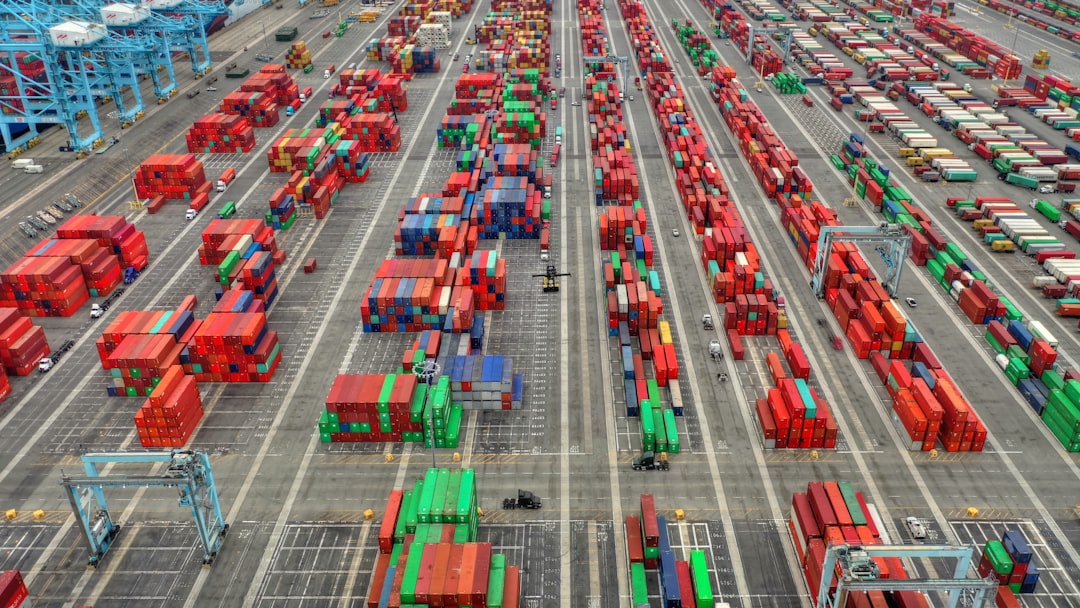
The Suez Canal is an artificial waterway that connects the Mediterranean and Red Seas, functioning as a vital route for international maritime trade. The canal spans approximately 120 miles (193 kilometers) and enables ships to avoid the longer journey around the Cape of Good Hope at Africa’s southern tip, reducing travel time by several days. Opened in 1869, the canal handles significant global shipping traffic.
According to the Suez Canal Authority, approximately 12% of world trade transits through the waterway annually, including roughly 30% of global container traffic. The canal accommodates various vessel types, from container ships and bulk carriers to oil tankers and liquefied natural gas carriers. The canal’s supply chain infrastructure encompasses multiple components: shipping lines that operate vessels through the passage, the Suez Canal Authority that manages operations and collects transit fees, port facilities at both ends, and logistics companies that coordinate cargo movement.
Major ports connected to the canal include Port Said and Suez in Egypt, which serve as key transshipment hubs for cargo moving between Europe, Asia, and other regions. The waterway’s strategic position creates both opportunities and risks for global trade. While it provides an efficient shipping route that reduces costs and transit times, its narrow width and single-lane sections in some areas mean that blockages can significantly impact international commerce, as demonstrated by the Ever Given incident in March 2021 that temporarily halted traffic for six days.
Key Takeaways
- The Ever Given incident exposed critical vulnerabilities and overreliance on the Suez Canal as a single shipping route.
- Environmental and geopolitical risks pose ongoing threats to the stability of the Suez Canal supply chain.
- Technology plays a key role in enhancing supply chain resilience and mitigating disruptions.
- Diversifying supply chain routes and transportation modes is essential to reduce dependency and risk.
- Collaborative international efforts are crucial for strengthening and securing the future of the Suez Canal supply chain.
The Impact of the Ever Given Incident on Global Trade
In March 2021, the Ever Given, a massive container ship, became lodged in the Suez Canal, blocking one of the world’s most crucial trade routes for six days. The incident had immediate and far-reaching consequences for global trade, highlighting the fragility of supply chains that depend heavily on this narrow passage. The blockage resulted in a backlog of hundreds of vessels waiting to transit the canal, leading to significant delays in the delivery of goods.
Estimates suggest that the incident cost global trade billions of dollars each day, as companies faced disruptions in their supply chains and increased shipping costs. The ramifications of the Ever Given incident extended beyond immediate financial losses. It served as a wake-up call for businesses and governments to reassess their reliance on the Suez Canal and consider the potential risks associated with such a concentrated shipping route.
The incident underscored how a single point of failure could have cascading effects throughout the global economy, prompting discussions about resilience and adaptability in supply chain management. As companies grappled with the fallout from the blockage, many began to explore alternative strategies to mitigate future disruptions.
Vulnerabilities in the Suez Canal Supply Chain
The Suez Canal supply chain is not without its vulnerabilities. The concentration of maritime traffic in this narrow waterway makes it susceptible to accidents, natural disasters, and geopolitical tensions. The Ever Given incident exemplified how a single vessel could disrupt global trade, but it also raised awareness about other potential risks.
For instance, adverse weather conditions, such as fog or storms, can impede navigation and delay transit times. Additionally, mechanical failures or human errors can lead to accidents that may block the canal and halt shipping operations.
The canal has historically been a focal point for international conflicts and disputes, which can lead to increased security risks for vessels transiting through this strategic waterway. Such vulnerabilities necessitate a comprehensive understanding of risk management strategies to ensure that businesses can navigate potential disruptions effectively. As companies assess their supply chains, they must consider not only operational efficiencies but also the broader geopolitical landscape that could impact their logistics.
Overreliance on a Single Shipping Route
The heavy reliance on the Suez Canal as a primary shipping route raises concerns about overdependence on a single corridor for global trade. While the canal offers significant time and cost savings for shipping companies, this concentration also creates a precarious situation where any disruption can have widespread consequences. The Ever Given incident served as a stark reminder that when a single route is compromised, it can lead to significant delays and increased costs for businesses worldwide.
Overreliance on one shipping route can stifle innovation and limit flexibility within supply chains. Companies may find themselves at risk if they do not diversify their transportation options or explore alternative routes. As global trade continues to evolve, businesses must recognize the importance of developing resilient supply chains that can adapt to changing circumstances.
By diversifying shipping routes and modes of transportation, companies can mitigate risks associated with overdependence on any single corridor.
Environmental and Geopolitical Risks in the Suez Canal
| Metric | Value | Unit | Description |
|---|---|---|---|
| Average Daily Ship Traffic | 50 | Ships per day | Number of vessels passing through the Suez Canal daily |
| Average Transit Time | 12 | Hours | Typical time taken for a ship to cross the canal |
| Percentage of Global Trade Volume | 12 | % | Share of global maritime trade passing through the canal |
| Number of Supply Chain Disruptions (2021) | 3 | Events | Major incidents causing delays or blockages in the canal |
| Average Delay per Disruption | 6 | Days | Average length of delay caused by disruptions |
| Impact on Global Oil Supply | 8 | % | Percentage of global oil transported through the canal |
| Alternative Route Distance Increase | 6,000 | Km | Additional distance ships must travel if rerouted around the Cape of Good Hope |
| Estimated Additional Fuel Consumption | 15 | Thousand Tons | Extra fuel used due to rerouting during canal blockages |
The Suez Canal is not only a critical trade route but also a region fraught with environmental and geopolitical risks. Environmental concerns include potential oil spills, pollution from shipping traffic, and the impact of climate change on sea levels and weather patterns. These factors can threaten both marine ecosystems and human livelihoods in surrounding areas.
As global awareness of environmental issues grows, there is increasing pressure on shipping companies to adopt more sustainable practices and reduce their carbon footprints. Geopolitical risks also loom large over the Suez Canal supply chain. The region has been historically volatile, with tensions arising from territorial disputes and conflicts among neighboring countries.
Such instability can lead to increased security measures for vessels transiting through the canal, resulting in delays and higher shipping costs. Companies must remain vigilant about these geopolitical dynamics and consider how they may impact their operations. By understanding both environmental and geopolitical risks, businesses can develop more robust strategies to navigate potential challenges in the Suez Canal supply chain.
The Role of Technology in Mitigating Supply Chain Fragility
In an era marked by rapid technological advancements, technology plays a pivotal role in enhancing supply chain resilience. Innovations such as real-time tracking systems, predictive analytics, and artificial intelligence are transforming how companies manage their logistics operations. By leveraging these technologies, businesses can gain greater visibility into their supply chains and respond more effectively to disruptions.
For instance, real-time tracking allows companies to monitor their shipments as they move through the Suez Canal and beyond. This visibility enables them to anticipate delays and make informed decisions about rerouting or adjusting inventory levels. Predictive analytics can help identify potential risks before they escalate into significant issues, allowing companies to implement proactive measures to mitigate disruptions.
As technology continues to evolve, its integration into supply chain management will be essential for building resilience against future challenges.
Exploring Alternative Supply Chain Routes and Modes of Transportation
Given the vulnerabilities associated with relying solely on the Suez Canal for global trade, exploring alternative supply chain routes and modes of transportation has become increasingly important. Companies are beginning to consider overland routes through rail networks or utilizing air freight for time-sensitive shipments as viable alternatives to maritime transport. These options may offer greater flexibility and reduce dependence on a single shipping corridor.
Additionally, emerging trade routes such as the Northern Sea Route are gaining attention as potential alternatives for shipping goods between Europe and Asia. This route takes advantage of melting Arctic ice due to climate change, allowing vessels to navigate through previously inaccessible waters during certain months of the year. While these alternative routes present new opportunities for trade, they also come with their own set of challenges that businesses must carefully evaluate before making significant investments.
The Importance of Diversifying Supply Chain Strategies
Diversifying supply chain strategies is essential for mitigating risks associated with overreliance on specific routes or modes of transportation. By adopting a multi-faceted approach to logistics management, companies can enhance their resilience against disruptions caused by unforeseen events such as natural disasters or geopolitical tensions. This diversification may involve establishing relationships with multiple suppliers across different regions or investing in various transportation methods.
Furthermore, companies should consider building redundancy into their supply chains by maintaining safety stock or utilizing multiple distribution centers strategically located near key markets. This approach allows businesses to respond quickly to changes in demand or disruptions in transportation networks while minimizing potential losses. Ultimately, diversifying supply chain strategies empowers companies to navigate uncertainties more effectively and maintain continuity in their operations.
Collaborative Efforts to Strengthen the Suez Canal Supply Chain
Strengthening the Suez Canal supply chain requires collaborative efforts among various stakeholders involved in maritime trade. Shipping companies, port authorities, governments, and logistics providers must work together to identify vulnerabilities and develop solutions that enhance resilience within this critical corridor. Collaborative initiatives may include sharing data on vessel movements or implementing joint contingency plans for responding to disruptions.
Public-private partnerships can also play a vital role in improving infrastructure and security measures within the Suez Canal region. By investing in modernizing port facilities or enhancing navigational aids, stakeholders can create a more efficient and secure environment for maritime trade. Collaboration fosters innovation and enables stakeholders to pool resources toward common goals—ultimately strengthening the overall resilience of the Suez Canal supply chain.
Lessons Learned from the Ever Given Incident
The Ever Given incident provided valuable lessons for businesses and governments regarding supply chain management and risk mitigation strategies. One key takeaway is the importance of preparedness; organizations must have contingency plans in place to address potential disruptions effectively. This includes establishing clear communication channels among stakeholders and ensuring that all parties understand their roles during crises.
Another lesson learned is the need for continuous monitoring of supply chain vulnerabilities. Companies should regularly assess their logistics operations and identify potential risks that could impact their ability to deliver goods on time. By adopting a proactive approach to risk management, businesses can better position themselves to respond swiftly when faced with unexpected challenges—ultimately minimizing disruptions and maintaining customer satisfaction.
The Future of the Suez Canal Supply Chain
Looking ahead, the future of the Suez Canal supply chain will likely be shaped by ongoing developments in technology, environmental considerations, and geopolitical dynamics. As businesses continue to adapt to changing market conditions, they will need to embrace innovative solutions that enhance resilience while addressing sustainability concerns.
By working together to strengthen infrastructure and improve operational efficiencies, stakeholders can ensure that the Suez Canal remains a key player in global trade for years to come. Ultimately, fostering resilience within the Suez Canal supply chain will require a multifaceted approach that balances economic interests with environmental stewardship—ensuring that this critical waterway continues to thrive in an ever-evolving landscape.
The fragility of the Suez Canal supply chain has been a topic of significant concern, especially in light of recent disruptions that have highlighted vulnerabilities in global trade routes. For a deeper understanding of the implications of these disruptions, you can read a related article on this subject at MyGeoQuest, which explores the broader impacts on international shipping and logistics.
FAQs
What is the Suez Canal?
The Suez Canal is a man-made waterway in Egypt that connects the Mediterranean Sea to the Red Sea. It serves as a critical maritime route for global trade, allowing ships to avoid the longer journey around the southern tip of Africa.
Why is the Suez Canal important for global supply chains?
The Suez Canal significantly reduces shipping time and costs between Europe, Asia, and the Middle East. It handles about 12% of global trade, making it a vital artery for the transportation of goods, including oil, consumer products, and raw materials.
What does supply chain fragility mean in the context of the Suez Canal?
Supply chain fragility refers to the vulnerability of global trade routes to disruptions. In the context of the Suez Canal, it means that any blockage or delay in the canal can cause significant interruptions in the flow of goods, leading to delays, increased costs, and shortages.
What caused the recent supply chain disruption in the Suez Canal?
In March 2021, the container ship Ever Given became lodged across the canal, blocking all traffic for six days. This incident highlighted the fragility of the supply chain dependent on the canal, as hundreds of ships were delayed or rerouted.
How do disruptions in the Suez Canal affect global markets?
Disruptions can lead to delays in the delivery of goods, increased shipping costs, and shortages of products. This can impact manufacturing, retail, and energy markets worldwide, causing price volatility and supply chain bottlenecks.
What measures are being taken to reduce supply chain fragility related to the Suez Canal?
Measures include improving canal infrastructure, increasing the size and number of alternative routes, enhancing ship navigation technology, and encouraging diversification of supply chains to reduce dependency on a single route.
Are there alternative routes to the Suez Canal?
Yes, alternative routes include the longer journey around the Cape of Good Hope at the southern tip of Africa and the Northern Sea Route along the Arctic coast, though these alternatives are less efficient and can be more costly or seasonal.
How can businesses mitigate risks associated with Suez Canal disruptions?
Businesses can diversify their supply chains, increase inventory buffers, use multiple shipping routes, and improve supply chain visibility to better anticipate and respond to disruptions.
Has the Suez Canal experienced similar disruptions before?
Yes, the canal has experienced closures and blockages in the past due to political conflicts, accidents, and maintenance work, each time impacting global trade to varying degrees.
What role does the Suez Canal play in energy supply chains?
The canal is a key transit point for oil and liquefied natural gas shipments from the Middle East to Europe and North America. Disruptions can affect energy prices and availability in these regions.