The Suez Canal Crisis of 2021 emerged as a significant event in global maritime history, capturing the attention of nations and industries alike. The crisis began on March 23, when the Ever Given, a massive container ship operated by Evergreen Marine, became lodged in the canal, blocking one of the world’s busiest trade routes. This incident was not merely an accident; it was a culmination of various factors, including the ship’s size, adverse weather conditions, and human error.
The Suez Canal, a vital artery for international shipping, connects the Mediterranean Sea to the Red Sea, facilitating approximately 12% of global trade. The blockage of this critical passageway sent shockwaves through the global economy, highlighting the fragility of supply chains and the interconnectedness of international trade.
The incident not only disrupted shipping schedules but also raised questions about maritime safety and the preparedness of shipping companies and authorities to handle such emergencies. The Suez Canal Authority, responsible for managing the canal, faced immense pressure to resolve the situation swiftly. The crisis underscored the vulnerabilities inherent in global trade networks and prompted discussions about the need for improved infrastructure and contingency planning in maritime operations.
Key Takeaways
- The Suez Canal Crisis caused significant delays and backlogs in global shipping, disrupting supply chains worldwide.
- Alternative shipping routes were explored but often resulted in longer transit times and higher costs.
- Efforts to refloat the Ever Given highlighted the complexity of managing large-scale maritime incidents.
- The crisis had notable economic impacts, affecting trade flows and increasing insurance and legal challenges.
- Technology plays a crucial role in improving crisis response and future preparedness for similar disruptions.
Impact on Global Trade
The impact of the Suez Canal crisis on global trade was profound and far-reaching. With the canal blocked, an estimated $9 to $10 billion worth of goods were delayed each day, creating a ripple effect that extended far beyond the immediate vicinity of the canal. Shipping companies scrambled to reroute vessels around the Cape of Good Hope, adding weeks to transit times and significantly increasing shipping costs.
This disruption highlighted the reliance of global trade on specific routes and raised concerns about the resilience of supply chains in the face of unforeseen events. Moreover, industries that depend heavily on timely deliveries, such as automotive manufacturing and electronics, faced immediate challenges. Components that were expected to arrive on schedule were delayed, leading to production slowdowns and potential revenue losses.
Retailers also felt the pinch as inventory shortages began to emerge, prompting them to reassess their supply chain strategies. The crisis served as a stark reminder that even minor disruptions in one part of the world can have cascading effects on economies and industries globally.
Delays and Backlogs
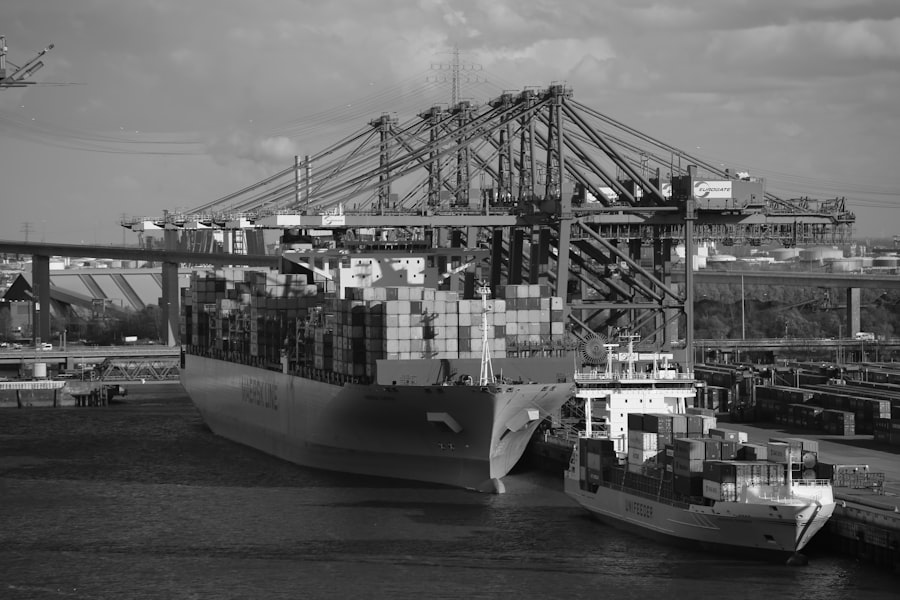
The delays caused by the Suez Canal blockage resulted in significant backlogs in shipping schedules. As vessels queued up to enter or exit the canal, ports around the world began to experience congestion. The backlog not only affected ships waiting to transit through the canal but also had a domino effect on ports that were already operating at or near capacity.
This situation led to increased waiting times for cargo ships, which in turn exacerbated delays in unloading goods at their final destinations. Shipping companies faced mounting pressure to manage these backlogs effectively. Many opted to implement contingency plans that included rerouting vessels and adjusting schedules to accommodate the delays.
However, these measures were not without their challenges. The sudden influx of ships arriving at ports created logistical nightmares for dockworkers and port authorities, who struggled to process cargo efficiently amid heightened demand. As a result, many ports experienced delays in unloading containers, further compounding the issues faced by businesses reliant on timely deliveries.
Alternative Shipping Routes
In response to the Suez Canal crisis, shipping companies began exploring alternative routes to circumvent the blockage. One of the most notable alternatives was the longer journey around the Cape of Good Hope, which added significant time and cost to shipping operations. While this route provided a temporary solution for some vessels, it was not without its drawbacks.
The longer journey meant increased fuel consumption and higher emissions, raising concerns about environmental sustainability. Additionally, navigating around the Cape of Good Hope posed its own set of challenges. The waters around this route are known for their unpredictable weather conditions and rough seas, which can complicate navigation and increase risks for vessels.
As shipping companies weighed their options, it became clear that while alternative routes could alleviate some immediate pressures, they also highlighted the need for more resilient maritime infrastructure and diversified shipping strategies in the long term.
Supply Chain Disruptions
| Metric | Value | Description |
|---|---|---|
| Duration of Blockage | 6 days | Time the Ever Given container ship was stuck blocking the canal |
| Number of Ships Delayed | 400+ | Ships waiting to pass through the canal during the blockage |
| Daily Ship Traffic | 50 ships/day | Average number of ships passing through the Suez Canal daily |
| Impact on Global Trade | 12% of global trade | Percentage of global trade volume passing through the canal |
| Estimated Economic Impact | 9.6 billion | Estimated daily cost in global trade disruption (in billions) |
| Length of Suez Canal | 193 km | Total length of the canal |
| Number of Tugboats Used | 14 | Number of tugboats deployed to free the Ever Given |
| Refloating Efforts | 3 days | Time taken to refloat the Ever Given after initial attempts |
The Suez Canal crisis served as a catalyst for widespread supply chain disruptions across various industries. As goods remained stranded on ships or delayed at ports, businesses faced challenges in meeting consumer demand. Industries such as retail, manufacturing, and technology experienced significant setbacks as they grappled with inventory shortages and production delays.
Companies that relied heavily on just-in-time inventory systems found themselves particularly vulnerable, as they had little room for error in their supply chains. Moreover, these disruptions prompted businesses to reevaluate their supply chain strategies. Many began exploring options for diversifying suppliers and increasing inventory levels to mitigate future risks.
The crisis underscored the importance of flexibility and adaptability in supply chain management, as companies recognized that reliance on a single route or supplier could lead to severe consequences in times of crisis. As businesses sought to recover from the disruptions caused by the Suez Canal blockage, they also began investing in technology and data analytics to enhance their supply chain visibility and resilience.
Economic Implications
The economic implications of the Suez Canal crisis were felt across multiple sectors and regions. The immediate financial impact was staggering, with estimates suggesting that global trade losses could reach billions of dollars due to delays and disruptions. Industries reliant on timely shipments faced increased costs associated with rerouting vessels and managing backlogs at ports.
Additionally, consumers experienced rising prices as supply shortages began to affect product availability. Beyond immediate financial losses, the crisis raised broader questions about economic resilience in an increasingly interconnected world. Economists warned that prolonged disruptions could lead to inflationary pressures as businesses passed on increased costs to consumers.
Furthermore, countries heavily dependent on exports faced potential economic slowdowns as their goods remained stranded or delayed in transit. The Suez Canal crisis served as a wake-up call for policymakers and business leaders alike, emphasizing the need for robust economic strategies that prioritize resilience in global trade networks.
Efforts to Refloat the Ever Given
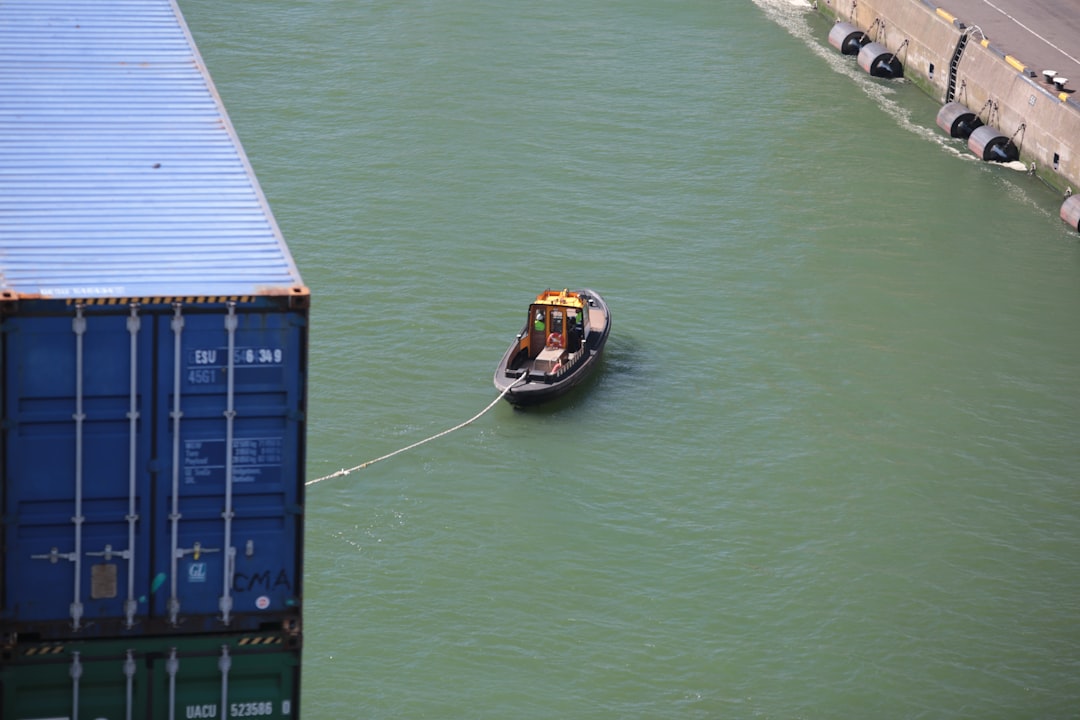
Efforts to refloat the Ever Given were complex and multifaceted, involving a coordinated response from various stakeholders. The Suez Canal Authority mobilized teams of engineers and salvage experts who worked tirelessly to dislodge the massive vessel from its position in the canal. Heavy machinery was brought in to dredge sediment from around the ship’s bow and stern while tugboats attempted to maneuver it free from its grounding.
As days passed without success, tensions mounted among shipping companies and global stakeholders who anxiously awaited news of progress. Finally, after six days of intensive efforts, a breakthrough occurred when rising tides helped lift the vessel enough for tugboats to successfully pull it free on March 29, 2021.
The successful refloating marked a significant milestone in resolving one of maritime history’s most notable crises.
Environmental Concerns
The Suez Canal crisis also raised important environmental concerns that extended beyond immediate economic implications. The grounding of the Ever Given highlighted potential risks associated with large container ships navigating narrow waterways. Environmentalists expressed worries about oil spills or cargo contamination should such incidents occur in ecologically sensitive areas.
Additionally, rerouting vessels around the Cape of Good Hope raised questions about increased carbon emissions resulting from longer journeys. As shipping companies sought alternative routes during the crisis, discussions emerged regarding sustainable practices within maritime transport. The incident prompted calls for greater investment in cleaner technologies and more efficient shipping methods that could mitigate environmental impacts while ensuring reliable global trade.
Legal and Insurance Ramifications
The legal ramifications stemming from the Suez Canal crisis were complex and multifaceted. As stakeholders sought accountability for losses incurred during the blockage, questions arose regarding liability for damages caused by the grounding of the Ever Given. Shipping companies faced potential claims from cargo owners whose goods were delayed or damaged during transit.
Insurance companies also found themselves navigating uncharted waters as they assessed claims related to business interruptions and cargo losses resulting from the crisis. The incident underscored existing gaps in maritime law regarding liability issues associated with large-scale shipping accidents. As legal battles unfolded in subsequent months over compensation claims and liability determinations, it became clear that comprehensive frameworks would be necessary to address future incidents effectively.
Lessons Learned and Future Preparedness
The Suez Canal crisis served as a critical learning opportunity for stakeholders across various sectors involved in global trade and logistics. One key lesson was the importance of contingency planning; businesses recognized that having robust emergency protocols could mitigate risks associated with unforeseen disruptions. Companies began reevaluating their supply chain strategies to incorporate greater flexibility and adaptability in response to potential crises.
Furthermore, discussions emerged regarding investments in infrastructure improvements within critical maritime routes like the Suez Canal itself. Enhancements aimed at increasing navigational safety could help prevent similar incidents from occurring in the future while ensuring smoother operations for vessels transiting through these vital waterways.
The Role of Technology in Mitigating Crisis
In an increasingly digital world, technology played a pivotal role during and after the Suez Canal crisis by providing tools for real-time monitoring and data analysis within supply chains. Shipping companies leveraged advanced tracking systems that allowed them to monitor vessel locations closely while assessing potential delays caused by external factors like weather conditions or port congestion. Moreover, emerging technologies such as artificial intelligence (AI) and machine learning offered opportunities for optimizing logistics operations by predicting potential disruptions before they occurred.
By harnessing data analytics capabilities alongside traditional maritime practices, stakeholders could enhance their preparedness for future crises while minimizing risks associated with global trade disruptions. In conclusion, while the Suez Canal crisis presented significant challenges across multiple sectors globally—from economic implications to environmental concerns—it also served as a catalyst for change within maritime operations and supply chain management practices moving forward into an uncertain future marked by increasing interconnectivity among nations worldwide.
The Suez Canal logistics crisis has had a significant impact on global trade, highlighting the vulnerabilities in supply chain management. For a deeper understanding of the implications and ongoing developments related to this crisis, you can read a related article on the topic at this link. This article provides insights into the challenges faced by shipping companies and the broader economic effects of the blockage.
FAQs
What caused the Suez Canal logistics crisis?
The Suez Canal logistics crisis was primarily caused by the grounding of the Ever Given, a large container ship, which blocked the canal for several days. This incident disrupted the flow of maritime traffic through one of the world’s busiest shipping routes.
Why is the Suez Canal important for global trade?
The Suez Canal is a critical waterway that connects the Mediterranean Sea to the Red Sea, providing the shortest maritime route between Europe and Asia. It facilitates the transit of approximately 12% of global trade, including oil, gas, and container shipments.
How long was the Suez Canal blocked during the crisis?
The Suez Canal was blocked for six days in March 2021, from March 23 to March 29, when the Ever Given was stuck sideways across the canal, preventing other ships from passing.
What were the impacts of the Suez Canal blockage on global supply chains?
The blockage caused significant delays in shipping schedules, increased shipping costs, and disrupted supply chains worldwide. Many vessels were forced to wait or reroute around the Cape of Good Hope, adding time and expense to deliveries.
How was the Ever Given ship freed from the Suez Canal?
The Ever Given was freed through a combination of dredging, tugboat assistance, and the use of high tides to refloat the vessel. Salvage teams worked continuously to remove sand and mud around the ship’s bow and stern.
What measures have been taken to prevent future Suez Canal blockages?
Following the crisis, the Suez Canal Authority has considered widening and deepening parts of the canal, improving traffic management, and enhancing emergency response capabilities to reduce the risk of future blockages.
Did the Suez Canal crisis affect oil prices?
Yes, the blockage temporarily increased oil prices due to concerns over delayed shipments of crude oil and petroleum products that transit the canal, highlighting the canal’s importance in energy supply chains.
Are there alternative routes to the Suez Canal for shipping?
Yes, the primary alternative is the route around the Cape of Good Hope at the southern tip of Africa. However, this route is significantly longer and more expensive, leading to increased transit times and costs.
How many ships were delayed due to the Suez Canal blockage?
At the peak of the crisis, over 400 ships were reported to be waiting to transit the canal, causing a significant backlog in maritime traffic.
What lessons were learned from the Suez Canal logistics crisis?
The crisis highlighted the vulnerability of global supply chains to chokepoints, the need for better risk management and contingency planning in maritime logistics, and the importance of infrastructure investment to support global trade.