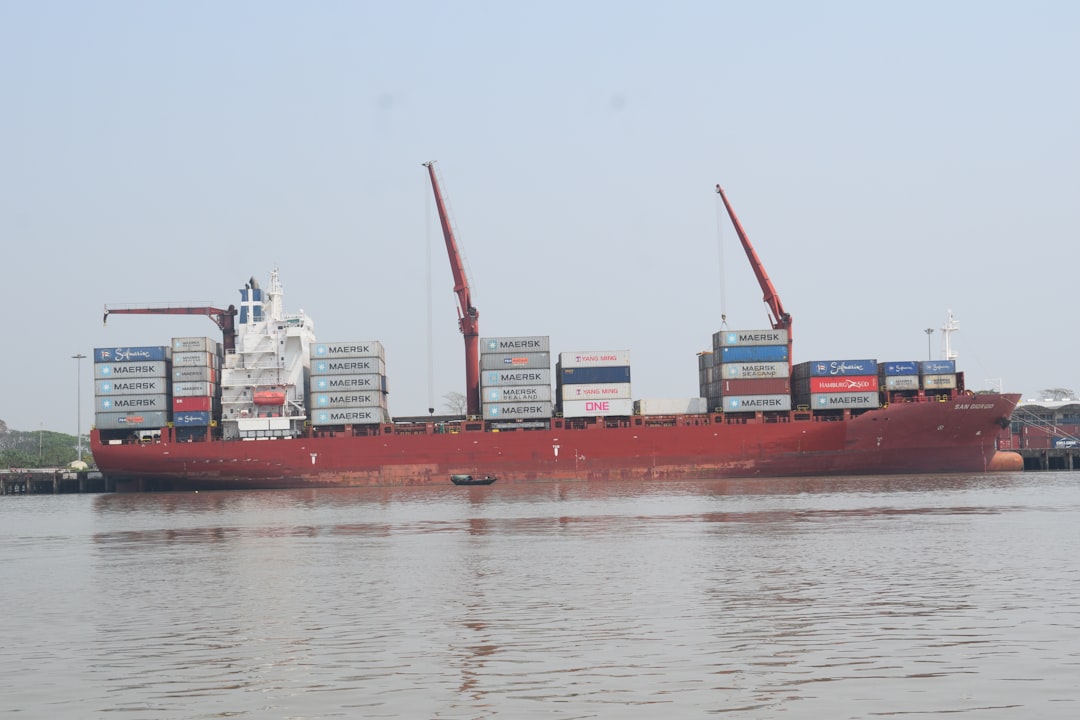
The Suez Canal is a 193-kilometer artificial waterway connecting the Mediterranean and Red Seas, constructed between 1859 and 1869. Located in Egypt, it provides a direct maritime route between Europe and Asia, eliminating the need for ships to navigate around the southern tip of Africa via the Cape of Good Hope. The canal handles approximately 12% of global seaborne trade, with over 18,000 vessels transiting annually.
It accommodates ships up to 20.1 meters in draft and 77.5 meters in beam, including large container vessels that can carry over 20,000 twenty-foot equivalent units (TEUs). The waterway spans 24 meters in depth and varies in width from 205 to 225 meters, allowing for two-way traffic in most sections. Container shipping represents a significant portion of canal traffic, with major shipping lines utilizing this route to transport manufactured goods, raw materials, and commodities between Asian production centers and European and North American markets.
The canal reduces voyage time by approximately 8-10 days compared to the Cape of Good Hope route, resulting in substantial fuel savings and faster cargo delivery. Recent infrastructure developments include the completion of the New Suez Canal expansion in 2015, which added a 35-kilometer parallel channel and widened existing sections. These improvements increased daily transit capacity from 49 to 97 ships and reduced average transit time from 18 to 11 hours.
The Suez Canal Authority continues to implement digital navigation systems and enhanced traffic management protocols to optimize vessel flow and maintain operational efficiency.
Key Takeaways
- The Suez Canal is a critical chokepoint in global container shipping, heavily influencing trade flows.
- Blockages in the canal cause significant delays, disrupting global supply chains and increasing costs.
- Alternative routes and transportation modes are essential strategies to manage disruptions and maintain cargo flow.
- Collaboration among supply chain partners and leveraging technology improve operational resilience and efficiency.
- Long-term planning and compliance with regulations are vital for building agile, risk-mitigated shipping networks.
Impact of the Suez Canal Blockage on Global Trade
The blockage of the Suez Canal in March 2021 by the Ever Given, a massive container ship, sent shockwaves through the global trade landscape. This unprecedented event highlighted the vulnerabilities inherent in the supply chain, as vessels were stranded for days, unable to navigate through one of the world’s busiest maritime routes. The immediate impact was felt across various sectors, with delays in shipments leading to shortages of goods and increased costs for businesses reliant on timely deliveries.
The incident underscored how a single disruption in a critical chokepoint could ripple through the entire global economy. In addition to immediate delays, the blockage also had longer-term implications for shipping costs and logistics strategies. Freight rates surged as shipping companies scrambled to reroute vessels and find alternative solutions to mitigate delays.
The incident prompted many businesses to reassess their supply chain strategies, considering factors such as inventory management and diversification of shipping routes. The Suez Canal blockage served as a stark reminder of the interconnectedness of global trade and the potential for localized disruptions to have far-reaching consequences.
Strategies for Managing Delays and Disruptions
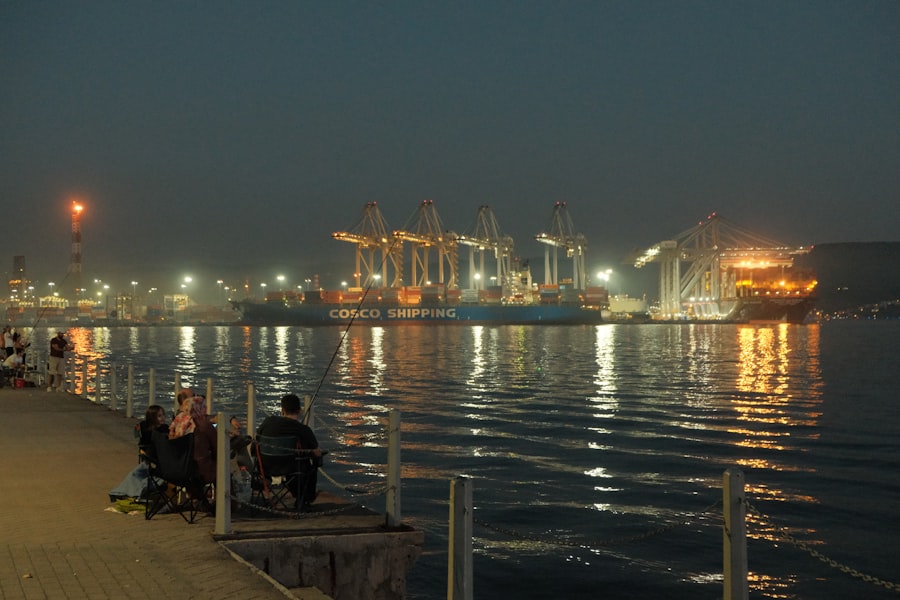
In response to disruptions like the Suez Canal blockage, companies have begun to adopt various strategies aimed at managing delays and ensuring continuity in their operations. One effective approach is the implementation of robust contingency plans that outline specific actions to be taken in the event of unforeseen disruptions. These plans often include alternative sourcing strategies, allowing businesses to pivot quickly to different suppliers or regions if their primary sources are affected by delays.
Another key strategy involves enhancing communication and collaboration within supply chains. By fostering strong relationships with suppliers, logistics providers, and other stakeholders, companies can gain real-time insights into potential disruptions and work together to develop solutions. This collaborative approach not only helps in managing immediate challenges but also builds resilience against future disruptions, enabling businesses to adapt more swiftly to changing circumstances.
Alternative Shipping Routes and Modes of Transportation
The Suez Canal blockage prompted many shipping companies to explore alternative routes and modes of transportation as a means of circumventing delays. One notable alternative is the Northern Sea Route, which runs along Russia’s Arctic coast. While this route offers a shorter distance between Europe and Asia during certain months of the year, it presents its own set of challenges, including harsh weather conditions and limited infrastructure.
In addition to exploring new maritime routes, companies have also turned to multimodal transportation solutions that combine different modes of transport, such as rail and truck services. For instance, goods can be shipped via rail from ports on the West Coast of North America to inland destinations, bypassing congested ports altogether. This flexibility allows businesses to maintain supply chain continuity even when traditional routes are disrupted.
Navigating the Complexities of Suez Canal Transit Procedures
| Metric | Value | Unit | Notes |
|---|---|---|---|
| Annual Container Throughput | 20 | Million TEUs | Approximate volume of containers passing through the canal annually |
| Average Transit Time | 12 | Hours | Time taken for a container ship to transit the canal |
| Maximum Vessel Length | 400 | Meters | Maximum length of container ships allowed to transit |
| Maximum Vessel Beam | 59 | Meters | Maximum width of container ships allowed |
| Maximum Draft | 20.1 | Meters | Maximum depth of vessel below waterline allowed |
| Number of Daily Transits | 50-60 | Ships per day | Average number of container ships passing daily |
| Revenue from Container Shipping | 5.8 | Billion | Annual revenue generated from container shipping tolls |
| Percentage of Global Container Trade | 12 | Percent | Share of global container shipping passing through the canal |
Navigating the Suez Canal involves understanding a complex set of transit procedures that can impact shipping schedules. Vessels must adhere to specific guidelines regarding pilotage, scheduling, and fees, all of which can vary based on factors such as vessel size and cargo type. The canal authority has established a well-defined process for vessel transit that includes pre-arrival notifications and coordination with pilots who guide ships through the canal’s narrow passages.
To ensure smooth transit through the canal, shipping companies must stay informed about any changes in regulations or procedures that may arise due to evolving circumstances. This requires ongoing communication with canal authorities and a thorough understanding of logistical requirements. By proactively managing these complexities, companies can minimize delays and ensure that their vessels navigate through the canal efficiently.
Mitigating Risks and Ensuring Cargo Security
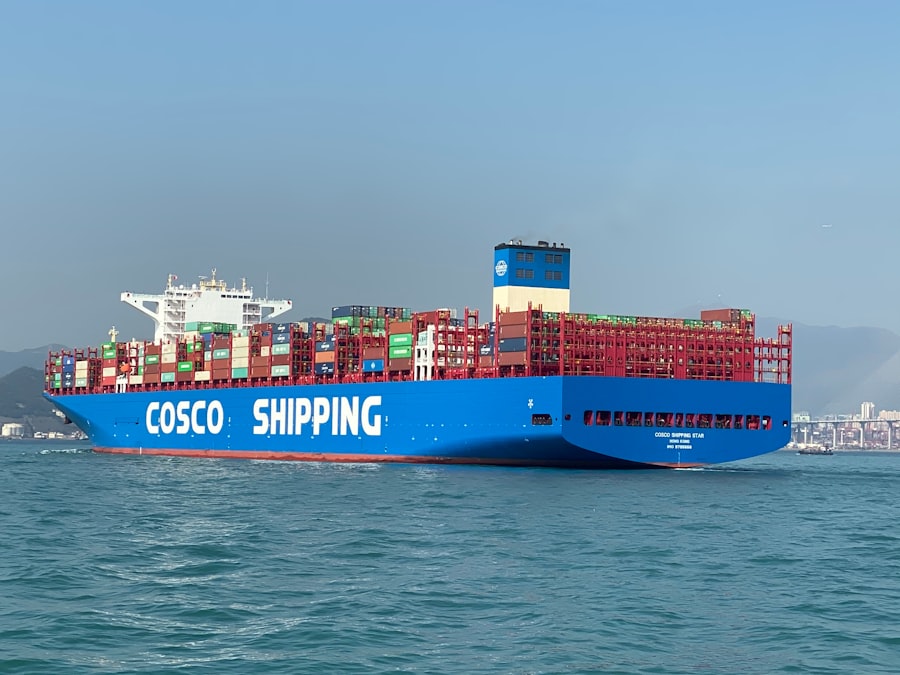
In an increasingly interconnected world, ensuring cargo security has become paramount for shipping companies operating through critical chokepoints like the Suez Canal. The risks associated with piracy, theft, and damage during transit necessitate robust security measures throughout the shipping process. Companies are investing in advanced tracking technologies that provide real-time visibility into cargo movements, allowing them to monitor shipments closely and respond swiftly to any potential threats.
Additionally, collaboration with local authorities and maritime security organizations is essential for mitigating risks associated with cargo transport. Shipping companies often engage in risk assessments that evaluate potential vulnerabilities along their routes and implement strategies to address them.
Adapting to Changes in Shipping Schedules and Port Congestion
The dynamic nature of global trade means that shipping schedules are often subject to change due to various factors such as weather conditions, port congestion, or unexpected disruptions like those experienced during the Suez Canal blockage. To adapt effectively, companies must develop flexible logistics strategies that allow them to respond quickly to shifting circumstances. This may involve adjusting delivery timelines or rerouting shipments based on real-time information about port conditions.
Moreover, effective communication with customers is crucial during periods of uncertainty. Keeping stakeholders informed about potential delays or changes in delivery schedules fosters transparency and helps manage expectations. By maintaining open lines of communication and demonstrating a commitment to customer service, companies can build stronger relationships with clients even in challenging situations.
Collaborating with Supply Chain Partners to Overcome Challenges
Collaboration among supply chain partners has emerged as a vital strategy for overcoming challenges in the shipping industry. By working closely with suppliers, logistics providers, and other stakeholders, companies can share information about potential disruptions and develop coordinated responses. This collaborative approach not only enhances operational efficiency but also fosters innovation as partners explore new solutions together.
Joint initiatives such as shared data platforms can facilitate real-time information exchange among supply chain partners. By leveraging technology to improve visibility into inventory levels, shipment statuses, and potential bottlenecks, companies can make informed decisions that optimize their operations. Ultimately, collaboration strengthens resilience within supply chains, enabling businesses to navigate challenges more effectively.
Utilizing Technology and Data Analysis to Optimize Shipping Operations
The integration of technology and data analysis into shipping operations has revolutionized how companies manage their logistics processes. Advanced analytics tools allow businesses to gain insights into shipping patterns, identify inefficiencies, and forecast demand more accurately. By harnessing data-driven decision-making, companies can optimize their shipping routes and reduce costs associated with delays or excess inventory.
Moreover, technologies such as artificial intelligence (AI) and machine learning are increasingly being employed to enhance predictive capabilities within supply chains. These tools can analyze vast amounts of data from various sources—such as weather forecasts, port congestion reports, and historical shipping trends—to provide actionable insights that inform strategic planning. As technology continues to evolve, its role in optimizing shipping operations will only become more pronounced.
Regulatory and Compliance Considerations for Suez Canal Shipping
Shipping through the Suez Canal involves navigating a complex landscape of regulatory and compliance considerations that vary by region and cargo type. Companies must adhere to international maritime regulations as well as local laws governing transit through the canal. This includes compliance with safety standards, environmental regulations, and customs requirements that can impact shipping schedules.
To ensure compliance, businesses often engage legal experts who specialize in maritime law and regulations specific to the Suez Canal region. Staying informed about changes in regulations is essential for avoiding potential penalties or delays during transit. By prioritizing regulatory compliance within their operations, companies can mitigate risks associated with non-compliance while maintaining smooth shipping processes.
Long-Term Planning for Resilient and Agile Supply Chains
In light of recent disruptions such as the Suez Canal blockage, long-term planning has become increasingly important for building resilient and agile supply chains. Companies are recognizing the need for strategic investments in infrastructure, technology, and workforce development that enhance their ability to respond effectively to future challenges. This includes diversifying sourcing strategies to reduce reliance on single suppliers or regions that may be vulnerable to disruptions.
Additionally, fostering a culture of adaptability within organizations is crucial for navigating an ever-changing landscape. Encouraging teams to embrace innovation and explore new approaches can lead to more agile decision-making processes that enable businesses to pivot quickly when faced with unexpected challenges. By prioritizing long-term planning and resilience-building initiatives, companies can position themselves for success in an increasingly complex global trade environment.
In conclusion, the Suez Canal container shipping industry plays a vital role in facilitating global trade while presenting unique challenges that require proactive management strategies. From navigating transit complexities to ensuring cargo security and adapting to disruptions, companies must remain agile in their operations while leveraging technology and collaboration with supply chain partners. As they look toward the future, businesses must prioritize resilience in their supply chains through long-term planning and strategic investments that will enable them to thrive amidst uncertainty.
The Suez Canal plays a crucial role in global container shipping, serving as a vital artery for trade between Europe and Asia. Recent developments in the canal’s operations have sparked discussions about its impact on shipping times and costs. For a deeper understanding of the challenges and opportunities faced by container shipping in this key waterway, you can read more in this related article: Suez Canal Container Shipping Insights.
FAQs
What is the Suez Canal?
The Suez Canal is an artificial waterway in Egypt that connects the Mediterranean Sea to the Red Sea, allowing ships to travel between Europe and Asia without navigating around Africa.
Why is the Suez Canal important for container shipping?
The Suez Canal is a critical route for container shipping because it significantly reduces travel distance and time between major ports in Europe and Asia, facilitating faster and more cost-effective global trade.
How long is the Suez Canal?
The Suez Canal is approximately 193 kilometers (120 miles) long.
What types of ships use the Suez Canal?
The canal accommodates various types of vessels, including container ships, oil tankers, bulk carriers, and passenger ships, provided they meet size and safety regulations.
Are there size restrictions for container ships passing through the Suez Canal?
Yes, the canal has size limitations known as “Suezmax,” which define the maximum dimensions and draft a ship can have to safely transit the canal.
How does the Suez Canal impact global shipping costs?
By shortening the route between Europe and Asia, the Suez Canal reduces fuel consumption and transit time, which lowers shipping costs and helps keep global trade efficient.
What happened during the 2021 Suez Canal blockage?
In March 2021, the container ship Ever Given ran aground and blocked the canal for six days, causing significant delays and disruptions in global shipping.
Who operates and manages the Suez Canal?
The Suez Canal is operated and managed by the Suez Canal Authority, a state-owned entity of Egypt.
Are there toll fees for ships using the Suez Canal?
Yes, ships pay toll fees based on their size, type, and cargo, which contribute to the canal’s maintenance and operations.
Can container ships bypass the Suez Canal?
Yes, ships can bypass the canal by sailing around the Cape of Good Hope at the southern tip of Africa, but this route is longer and more expensive.