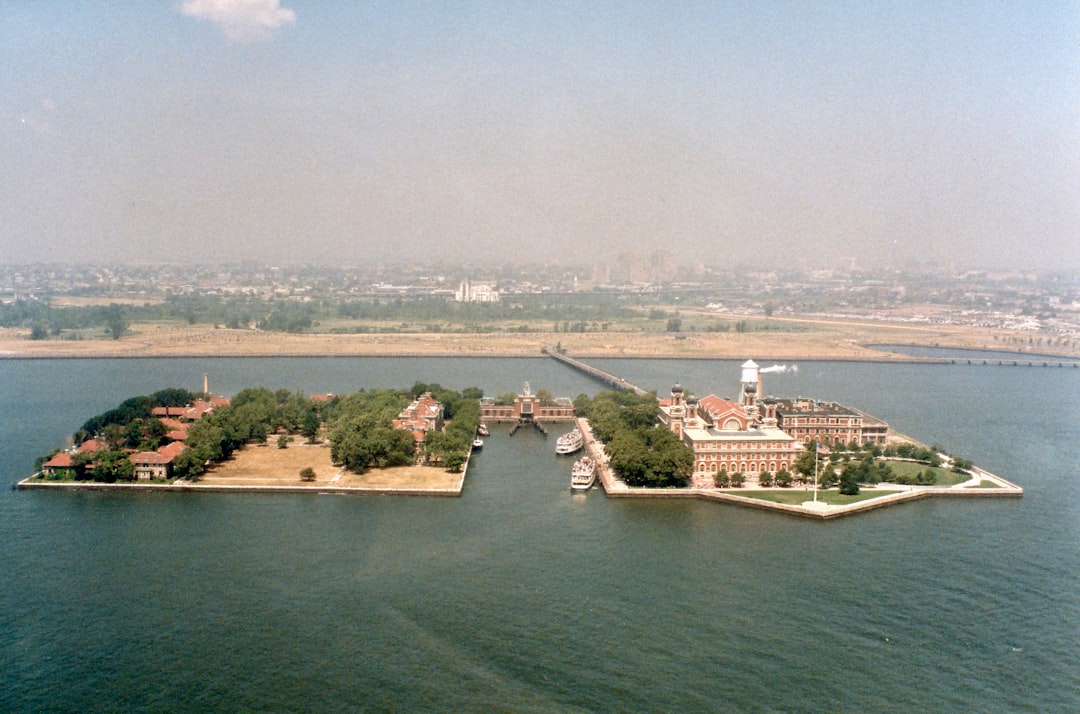
The Suez Canal and the Cape of Good Hope represent two fundamental maritime corridors that have influenced international shipping patterns and global commerce for over a century. The Suez Canal, constructed as an artificial waterway through Egypt, establishes a direct connection between the Mediterranean and Red Seas, reducing transit distances for cargo vessels moving between European and Asian markets. The Cape of Good Hope, situated at Africa’s southernmost point, constitutes a natural shipping lane that enables maritime traffic to circumnavigate the African continent.
Each route presents distinct operational characteristics that affect shipping logistics. The Suez Canal offers reduced voyage times and fuel consumption for intercontinental trade, while the Cape of Good Hope provides an alternative passage with different cost structures and operational requirements. Shipping companies evaluate multiple variables when selecting between these routes, including transit duration, operational expenses, vessel specifications, and risk assessments.
The strategic importance of both passages continues to influence global supply chains and maritime trade flows. The Suez Canal facilitates approximately 12% of global trade volume, while the Cape route serves as a critical backup option and primary choice for specific vessel types and cargo categories. Analysis of these shipping corridors encompasses their development history, geographical characteristics, economic impact on international trade, environmental considerations, geopolitical factors, maritime technology applications, safety protocols, and projected changes in global shipping patterns.
Key Takeaways
- The Suez Canal offers a shorter, faster maritime route connecting the Mediterranean and Red Seas, while the Cape of Good Hope is a longer, traditional route around southern Africa.
- Historically, the Suez Canal revolutionized global trade by significantly reducing travel time, whereas the Cape route was vital before the canal’s construction.
- Economic factors favor the Suez Canal for time-sensitive cargo, but the Cape route can be more cost-effective during canal closures or for oversized vessels.
- Environmental impacts differ, with the Suez Canal posing risks of invasive species transfer, while the Cape route involves higher fuel consumption and emissions due to longer distances.
- Political instability and security risks affect both routes differently, with the Suez Canal vulnerable to geopolitical tensions and the Cape route facing piracy threats in certain areas.
History and significance of the Suez Canal
The Suez Canal was officially opened in 1869 after a decade of construction led by French engineer Ferdinand de Lesseps. This monumental achievement transformed maritime trade by drastically reducing the travel distance between Europe and Asia. Prior to its construction, ships had to navigate around the southern tip of Africa, a journey that could take weeks.
The canal’s opening not only facilitated faster trade routes but also established Egypt as a crucial player in global commerce. The strategic importance of the Suez Canal has only grown over time, with approximately 12% of global trade passing through its waters today. The canal’s history is also marked by geopolitical significance.
Control over this vital waterway has been a source of conflict and negotiation among nations. The Suez Crisis of 1956 exemplified this tension when Egypt nationalized the canal, leading to military intervention by Britain, France, and Israel. This event underscored the canal’s importance not just as a trade route but also as a symbol of national sovereignty and international power dynamics.
Today, the Suez Canal remains a critical artery for global shipping, with its expansion projects aimed at accommodating larger vessels and increasing traffic flow.
History and significance of the Cape of Good Hope route
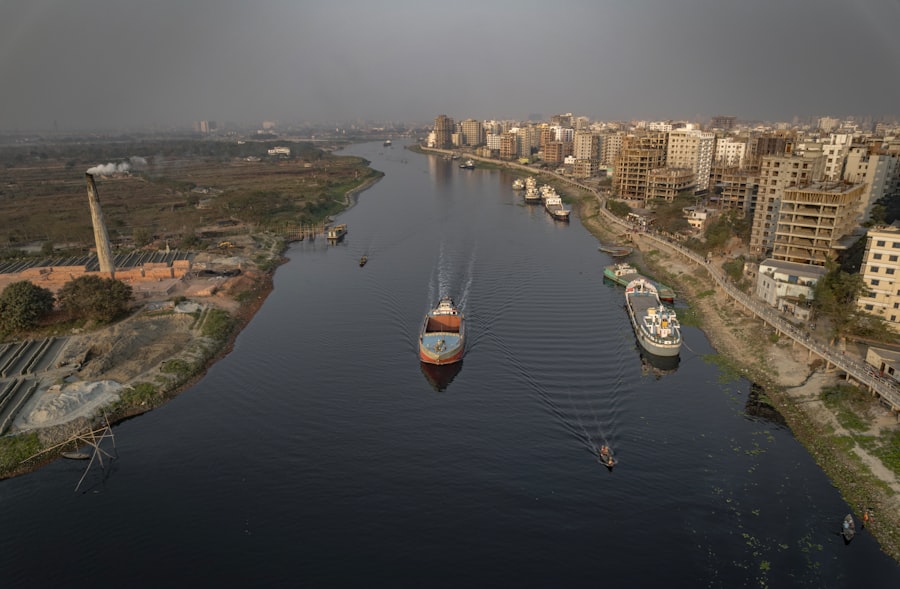
The Cape of Good Hope has a rich maritime history that predates the Suez Canal by centuries. Discovered by Portuguese explorer Bartolomeu Dias in 1488, it became a crucial waypoint for European explorers and traders venturing to India and beyond. The route around the Cape allowed ships to bypass the treacherous overland routes that were fraught with danger from pirates and hostile territories.
As a result, it became an essential passage for trade between Europe and Asia long before the Suez Canal was conceived. The significance of the Cape of Good Hope extends beyond its role as a navigational landmark; it has also been a site of cultural exchange and conflict. The establishment of the Cape Colony by the Dutch East India Company in the 17th century marked the beginning of European colonial influence in southern Africa.
This led to complex interactions with indigenous populations and set the stage for centuries of colonialism in the region. Today, while the Cape route is often seen as less efficient than the Suez Canal, it remains vital for certain shipping routes, particularly for vessels that may be unable to navigate through the canal due to size or geopolitical restrictions.
Geographical and navigational differences between the two routes
Geographically, the Suez Canal offers a direct passage between two major bodies of water—the Mediterranean Sea and the Red Sea—making it an attractive option for vessels seeking to minimize travel time. The canal stretches approximately 120 miles (193 kilometers) and is designed to accommodate large container ships and tankers. Its relatively straight path allows for efficient navigation, although it does require careful management due to its narrow width in certain sections.
In contrast, navigating around the Cape of Good Hope involves a longer journey that can exceed 6,000 miles (9,600 kilometers) depending on the starting point. Ships must contend with unpredictable weather conditions, including strong winds and rough seas that can pose significant challenges. The route is not only longer but also requires skilled navigation around various hazards such as reefs and rocky coastlines.
Despite these challenges, some vessels opt for this route due to its natural beauty and historical significance, as well as potential geopolitical considerations that may make passage through the Suez Canal less desirable.
Economic considerations for choosing between the Suez Canal and Cape of Good Hope
| Route | Distance (nautical miles) | Average Transit Time (days) | Typical Fuel Consumption (tons) | CO2 Emissions (tons) | Notes |
|---|---|---|---|---|---|
| Suez Canal | 6,200 | 12 | 1,500 | 4,500 | Shortest route between Europe and Asia |
| Cape of Good Hope | 11,000 | 25 | 3,000 | 9,000 | Longer route, avoids canal fees and restrictions |
When it comes to economic considerations, the choice between using the Suez Canal or navigating around the Cape of Good Hope often hinges on cost-effectiveness and time efficiency. The Suez Canal charges tolls based on vessel size and type, which can be substantial but are often offset by savings in fuel costs and reduced travel time. For many shipping companies, the ability to deliver goods more quickly translates into increased profitability and competitiveness in a fast-paced global market.
On the other hand, while navigating around the Cape may initially seem like a cost-saving option due to lower tolls, it can lead to higher operational costs in terms of fuel consumption and longer delivery times. Additionally, vessels may face increased insurance premiums due to potential risks associated with rough seas or piracy in certain regions along this route. Ultimately, shipping companies must weigh these economic factors carefully when deciding which route to take, considering not only immediate costs but also long-term implications for their operations.
The environmental impact of maritime routes is an increasingly important consideration in today’s world. The Suez Canal has made strides in recent years to address environmental concerns by implementing measures aimed at reducing pollution and promoting sustainable practices among shipping companies. However, the concentrated traffic through this narrow waterway raises concerns about oil spills, waste disposal, and marine biodiversity disruption.
Conversely, while navigating around the Cape of Good Hope may seem less impactful due to its natural setting, it is not without environmental challenges. The longer journey can lead to increased carbon emissions from ships burning more fuel over extended periods. Additionally, ships traversing this route may encounter sensitive marine ecosystems that could be adversely affected by shipping activities.
As global awareness of environmental issues grows, both routes face scrutiny regarding their ecological footprints and responsibilities toward preserving marine environments.
Political considerations and potential risks associated with each route
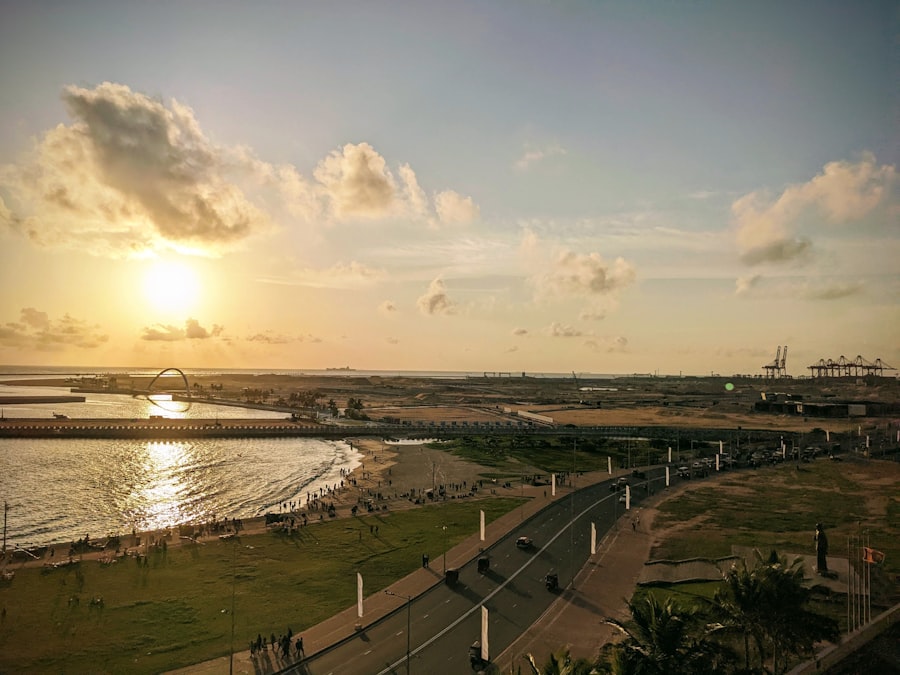
Political considerations play a significant role in determining which maritime route is chosen by shipping companies. The Suez Canal’s strategic location makes it susceptible to geopolitical tensions that can disrupt shipping operations. Events such as blockades or military conflicts in the region can lead to significant delays or even force vessels to reroute entirely.
The canal’s management by Egypt also means that changes in political leadership or policy could impact toll rates or access for foreign vessels. In contrast, while navigating around the Cape of Good Hope may seem less politically fraught, it is not without its own risks. The region has experienced piracy incidents in recent years, particularly off the coast of Somalia.
Shipping companies must remain vigilant about security measures when choosing this route to mitigate potential threats to their vessels and crews. Additionally, changing political climates in African nations along this route can introduce uncertainties that affect shipping logistics.
Technological advancements and improvements in navigation for both routes
Technological advancements have significantly enhanced navigation capabilities for both the Suez Canal and Cape of Good Hope routes. In recent years, improvements in satellite navigation systems have allowed ships to navigate more accurately through challenging waters. The use of advanced weather forecasting tools has also enabled vessels to avoid adverse conditions that could impact their journeys.
The Suez Canal Authority has invested heavily in modernizing its infrastructure to accommodate larger vessels and improve traffic management. Innovations such as automated pilotage systems have streamlined operations within the canal itself, reducing waiting times for ships entering or exiting. Meanwhile, advancements in communication technology have allowed shipping companies to monitor their vessels in real-time, ensuring safer navigation regardless of which route they choose.
Safety and security considerations for ships using the Suez Canal and Cape of Good Hope
Safety is paramount for any maritime operation, and both routes present unique challenges in this regard. The Suez Canal’s narrow passages require careful navigation to avoid collisions or grounding incidents. Additionally, high traffic volumes can lead to congestion and increased risk factors for vessels transiting through this busy waterway.
On the other hand, while navigating around the Cape of Good Hope may offer more open waters, it presents its own safety concerns related to weather conditions and potential piracy threats. Ships must be prepared for sudden storms or rough seas that can arise unexpectedly along this route. Furthermore, security measures must be implemented to protect against piracy incidents that have historically plagued certain areas near the coast of Africa.
Future developments and potential changes for both routes
Looking ahead, both the Suez Canal and Cape of Good Hope are likely to undergo significant developments that could reshape maritime navigation patterns. The Suez Canal Authority continues to explore expansion projects aimed at increasing capacity and improving efficiency within its waters. These initiatives may include deepening channels or constructing additional bypasses to accommodate larger vessels while minimizing congestion.
Meanwhile, as global trade dynamics shift due to changing economic conditions or geopolitical factors, there may be renewed interest in alternative routes such as those around Africa’s southern coast.
The Suez Canal stands out for its efficiency and time-saving capabilities but comes with higher tolls and potential geopolitical risks. Conversely, while navigating around the Cape may provide a more traditional route with lower costs initially perceived as advantageous; it entails longer travel times and increased operational expenses due to fuel consumption.
Ultimately, shipping companies must carefully assess their specific needs when choosing between these two routes—considering factors such as economic implications, environmental impacts, safety concerns, political stability, technological advancements, and future developments within each maritime corridor. As global trade continues to evolve alongside shifting geopolitical landscapes; understanding these complexities will be essential for making informed decisions that align with both operational goals and broader sustainability objectives.
The Suez Canal and the Cape of Good Hope are two critical maritime routes that have shaped global trade and navigation. For a deeper understanding of their significance and the historical context surrounding these waterways, you can read more in this related article: here. This article explores the strategic importance of these routes and their impact on international shipping.
FAQs
What is the Suez Canal?
The Suez Canal is an artificial waterway in Egypt that connects the Mediterranean Sea to the Red Sea. It allows ships to travel between Europe and Asia without navigating around Africa, significantly reducing travel distance and time.
Where is the Cape of Good Hope located?
The Cape of Good Hope is located on the southern tip of the Cape Peninsula in South Africa. It is a prominent landmark known for its historical significance in maritime navigation.
How do the Suez Canal and the Cape of Good Hope relate to global shipping?
Both the Suez Canal and the Cape of Good Hope are critical maritime routes for international shipping. The Suez Canal offers a shorter passage between Europe and Asia, while the Cape of Good Hope serves as an alternative route around the southern tip of Africa when the canal is inaccessible.
Why might ships choose to sail around the Cape of Good Hope instead of using the Suez Canal?
Ships may choose the Cape of Good Hope route if the Suez Canal is closed due to political issues, blockages, or maintenance. Additionally, some vessels may avoid the canal due to size restrictions or high transit fees.
What are the advantages of using the Suez Canal over the Cape of Good Hope route?
Using the Suez Canal significantly reduces the distance and travel time between Europe and Asia, leading to lower fuel consumption and shipping costs. It also avoids the rough seas often encountered around the Cape of Good Hope.
What challenges are associated with navigating the Cape of Good Hope?
The Cape of Good Hope is known for its rough seas, strong winds, and unpredictable weather, which can pose navigational hazards for ships. These conditions require careful planning and experienced crews.
When was the Suez Canal opened?
The Suez Canal was officially opened on November 17, 1869.
How long is the Suez Canal?
The Suez Canal is approximately 193 kilometers (120 miles) long.
What types of vessels can pass through the Suez Canal?
The canal accommodates a wide range of vessels, including container ships, oil tankers, bulk carriers, and passenger ships. However, there are size limitations known as “Suezmax” that restrict the maximum dimensions of ships passing through.
What is the historical significance of the Cape of Good Hope?
The Cape of Good Hope was a key milestone for sailors during the Age of Exploration, marking the point where ships began to travel eastward toward Asia. It was first rounded by Portuguese explorer Bartolomeu Dias in 1488.