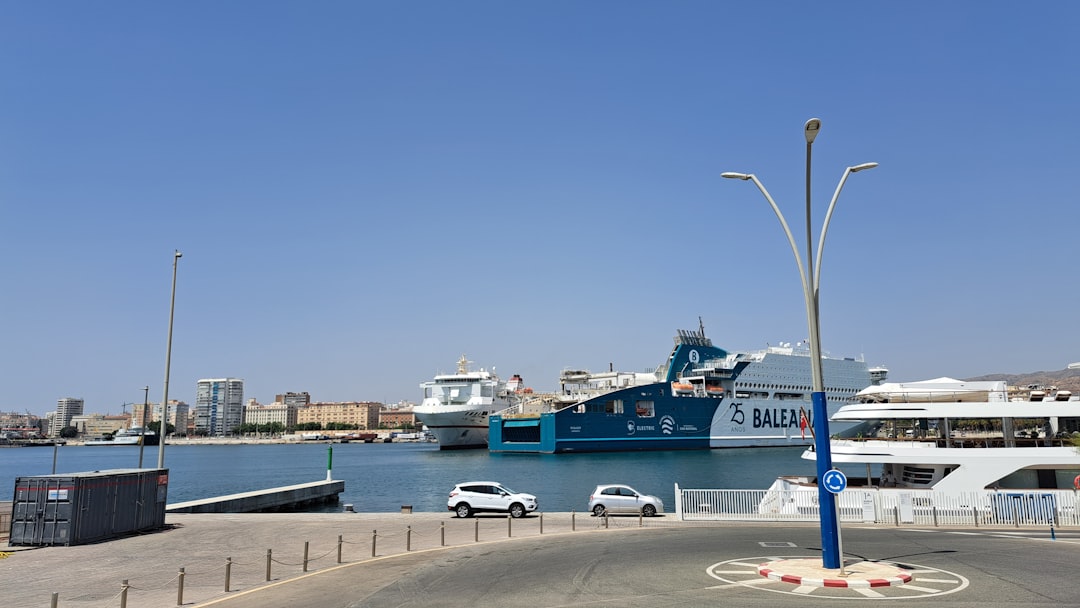
The Suez Canal is an artificial waterway constructed in the 19th century that connects the Mediterranean Sea to the Red Sea. Construction was completed in 1869, creating a direct maritime route that eliminates the need for ships to navigate around the Cape of Good Hope at the southern tip of Africa. The canal extends approximately 120 miles (193 kilometers) in length.
The waterway serves as a major shipping route for vessels transporting oil, manufactured goods, and raw materials between Europe, Asia, and other regions. According to current data, approximately 12% of global maritime trade passes through the Suez Canal annually, with thousands of vessels utilizing the passage each year. The Suez Canal Authority oversees the waterway’s operations, maintenance, and navigation services.
Since its opening, the canal has undergone multiple expansion projects to accommodate larger modern cargo vessels and container ships. These modifications have included widening sections of the canal and deepening the channel to handle increased vessel traffic and larger ship dimensions. The canal’s location provides strategic importance for international trade routes and regional geopolitics.
Its position allows for significantly reduced transit times between European and Asian markets compared to alternative routes around Africa, making it a critical infrastructure component for global supply chains and maritime commerce.
Key Takeaways
- The Suez Canal is a critical maritime passage connecting the Mediterranean Sea to the Red Sea, facilitating global trade.
- Navigating the Suez Canal involves challenges such as congestion, geopolitical risks, and environmental concerns.
- Several alternative trade routes exist, including the Cape of Good Hope, Northern Sea Route, Panama Canal, Strait of Malacca, Bab-el-Mandeb, and the Trans-Siberian Railway.
- Each alternative route offers unique advantages and limitations based on distance, cost, and geopolitical stability.
- Evaluating these alternatives is essential for ensuring resilient and efficient global trade networks amid potential disruptions.
Importance of the Suez Canal for Global Trade
The Suez Canal serves as a crucial link in the global supply chain, significantly reducing travel time for ships transporting goods between Europe and Asia. By providing a direct route, it eliminates the need for vessels to navigate around Africa, which can add weeks to shipping times. This efficiency not only lowers transportation costs but also enhances the reliability of supply chains, making it an indispensable asset for businesses engaged in international trade.
The canal’s role in expediting the movement of goods has made it a focal point for industries ranging from oil and gas to consumer products. Moreover, the economic implications of the Suez Canal extend beyond mere transportation efficiency. The canal generates substantial revenue for Egypt through tolls charged to passing vessels, contributing significantly to the national economy.
This revenue stream is vital for maintaining infrastructure and supporting local communities. Additionally, the canal’s strategic importance has made it a focal point for international diplomacy and security considerations, as nations recognize its influence on global trade dynamics. The Suez Canal is not just a waterway; it is a lifeline for economies around the world.
Challenges and Risks of Navigating Through the Suez Canal
Despite its significance, navigating through the Suez Canal is not without challenges and risks. The canal’s narrow passages and busy traffic can create congestion, leading to delays that can ripple through global supply chains. Incidents such as grounding or collisions can disrupt operations, as seen in March 2021 when the Ever Given container ship became lodged in the canal, blocking traffic for several days.
Such events highlight the vulnerability of this critical trade route and underscore the need for robust contingency plans to mitigate potential disruptions. Environmental factors also pose challenges for vessels navigating through the canal. Weather conditions, such as fog or high winds, can affect visibility and maneuverability, increasing the risk of accidents.
Additionally, the canal’s location in a politically sensitive region means that geopolitical tensions can impact shipping operations. Security concerns related to piracy or regional conflicts can further complicate navigation through this vital waterway. As global trade continues to grow, addressing these challenges will be essential to ensuring the continued efficiency and safety of the Suez Canal.
Alternative Routes for Trade
Given the challenges associated with navigating through the Suez Canal, alternative routes have gained attention as potential solutions for global trade. These alternatives offer different advantages and disadvantages, depending on factors such as distance, cost, and geopolitical considerations.
Among the most notable alternative routes are those that circumvent the Suez Canal entirely. Each route presents unique characteristics that can influence shipping decisions. For instance, some routes may offer shorter transit times while others may provide cost savings or enhanced security.
Understanding these alternatives is crucial for businesses looking to navigate an ever-changing global trade landscape effectively.
The Cape of Good Hope Route
| Route | Distance (nautical miles) | Average Transit Time (days) | Additional Fuel Consumption (%) | Common Usage | Notes |
|---|---|---|---|---|---|
| Cape of Good Hope | 11,000 | 20-25 | 30-40 | Bulk carriers, oil tankers | Longest alternative route; avoids canal fees but increases time and fuel costs |
| Northern Sea Route (Arctic) | 6,500 | 10-15 | 15-25 | Container ships, LNG carriers (seasonal) | Seasonal route; limited by ice conditions and requires icebreaker support |
| Trans-Siberian Railway (Land alternative) | ~5,800 (land km) | 7-10 | N/A | Containers, high-value goods | Faster for some cargo; limited capacity and higher cost |
| Panama Canal (for some Asia-Americas routes) | Varies | Varies | Varies | Asia to East Coast Americas | Not a direct alternative for Europe-Asia trade; limited by ship size |
One of the most well-known alternatives to the Suez Canal is the Cape of Good Hope route. This route involves sailing around the southern tip of Africa, providing a direct passage between Europe and Asia without transiting through the canal. While this route offers an alternative for vessels facing delays or restrictions in the Suez Canal, it comes with its own set of challenges.
The Cape of Good Hope route is significantly longer than transiting through the Suez Canal, resulting in increased fuel consumption and longer delivery times. Additionally, ships navigating this route must contend with unpredictable weather conditions and rough seas, particularly in the Southern Ocean. Despite these challenges, some shipping companies may opt for this route during times of heightened geopolitical tensions or when canal operations are disrupted.
Ultimately, while it serves as a viable alternative, careful consideration must be given to its implications on cost and efficiency.
The Northern Sea Route
Another alternative gaining traction is the Northern Sea Route (NSR), which runs along Russia’s Arctic coast. This route has become increasingly accessible due to climate change and melting ice caps, allowing vessels to traverse what was once considered impassable waters. The NSR offers a shorter transit time between Europe and Asia compared to traditional routes, making it an attractive option for shipping companies looking to reduce costs and improve delivery times.
However, navigating through the Northern Sea Route is not without its challenges. The harsh Arctic environment presents significant risks, including icebergs and extreme weather conditions that can threaten vessel safety. Additionally, geopolitical considerations come into play as countries vie for control over Arctic shipping lanes and resources.
While the NSR holds promise as an alternative route for global trade, its viability will depend on advancements in technology and international cooperation to ensure safe navigation.
The Panama Canal Route
The Panama Canal offers another alternative route for maritime trade, particularly for vessels traveling between North America and Asia or Europe. Completed in 1914, this canal connects the Atlantic and Pacific Oceans, allowing ships to avoid the lengthy journey around South America via Cape Horn. The Panama Canal has undergone significant expansions in recent years to accommodate larger vessels known as “New Panamax” ships.
While the Panama Canal provides a shorter transit time compared to other routes, it is primarily beneficial for specific trade lanes rather than serving as a direct alternative to the Suez Canal for all global shipping needs. The canal’s capacity constraints can lead to congestion during peak periods, resulting in delays similar to those experienced in the Suez Canal. Nevertheless, for certain shipping routes, particularly those involving North American ports, the Panama Canal remains an essential component of global trade logistics.
The Strait of Malacca Route
The Strait of Malacca is another critical maritime passage that serves as an alternative route for vessels traveling between Asia and Europe or North America. This narrow strait lies between Malaysia and Indonesia and is one of the busiest shipping lanes in the world. It provides a direct connection between major ports in Southeast Asia and beyond.
While navigating through the Strait of Malacca offers significant advantages in terms of proximity and access to key markets, it also presents challenges related to piracy and congestion. The strait has been notorious for piracy incidents in recent years, raising security concerns among shipping companies operating in this region. Additionally, with increasing maritime traffic, vessels may face delays due to congestion during peak shipping seasons.
Despite these challenges, the Strait of Malacca remains a vital route for global trade due to its strategic location.
The Bab-el-Mandeb Route
The Bab-el-Mandeb Strait serves as another alternative route connecting the Red Sea with the Gulf of Aden and ultimately leading to the Arabian Sea. This strait is strategically important as it provides access to key shipping lanes connecting Europe with Asia via the Suez Canal. While it does not serve as a direct alternative to transiting through the canal itself, it plays a crucial role in facilitating maritime traffic in this region.
Navigating through Bab-el-Mandeb presents its own set of challenges related to regional instability and security concerns. The strait has been affected by conflicts in Yemen and surrounding areas, raising concerns about piracy and military activity that could disrupt shipping operations. Despite these risks, Bab-el-Mandeb remains an essential passage for vessels seeking access to both European and Asian markets.
The Trans-Siberian Railway Route
In addition to maritime routes, land-based alternatives such as the Trans-Siberian Railway offer unique opportunities for trade between Europe and Asia. This railway network spans across Russia and connects major cities such as Moscow and Vladivostok. While primarily used for freight transport within Russia and neighboring countries, it provides an alternative means of moving goods overland.
The Trans-Siberian Railway offers advantages such as reduced transit times compared to maritime routes during certain seasons when weather conditions may hinder shipping operations at sea. However, logistical challenges related to rail infrastructure and customs procedures can complicate land-based transport options. As businesses seek diverse supply chain solutions, exploring land-based alternatives like this railway may become increasingly relevant in an interconnected global economy.
Evaluating the Best Alternative Routes for Trade
In conclusion, while the Suez Canal remains a cornerstone of global trade due to its efficiency and strategic importance, various alternative routes offer viable options for navigating international commerce amidst evolving challenges. Each alternative presents unique advantages and disadvantages that must be carefully evaluated based on specific trade needs and geopolitical considerations. As businesses continue to adapt their supply chains in response to disruptions caused by unforeseen events or geopolitical tensions, understanding these alternative routes will be essential for maintaining competitiveness in an increasingly complex global market.
Whether opting for maritime routes like Cape of Good Hope or Northern Sea Route or exploring land-based options such as Trans-Siberian Railway transport, companies must remain agile in their approach to logistics and trade strategy. Ultimately, evaluating these alternatives will require a comprehensive understanding of factors such as cost efficiency, transit times, security risks, and environmental considerations. By doing so, businesses can make informed decisions that enhance their resilience while navigating an ever-changing landscape of global trade dynamics.
In recent discussions about alternative routes to the Suez Canal, it’s essential to consider the implications of these options on global trade and shipping efficiency. For a deeper understanding of the geographical and logistical factors at play, you can read more in this insightful article on MyGeoQuest: mygeoquest.
com/’>MyGeoQuest. This resource provides valuable information on potential alternative shipping routes that could alleviate congestion and enhance maritime navigation.
FAQs
What is the Suez Canal?
The Suez Canal is a man-made waterway in Egypt that connects the Mediterranean Sea to the Red Sea, allowing ships to travel between Europe and Asia without navigating around Africa.
Why are alternative routes to the Suez Canal important?
Alternative routes are important to ensure the continuous flow of global maritime trade in case of blockages, political instability, or maintenance closures affecting the Suez Canal.
What are the main alternative routes to the Suez Canal?
The main alternatives include the Cape of Good Hope route around the southern tip of Africa, the Northern Sea Route along the Russian Arctic coast, and overland routes such as rail and road corridors connecting Asia and Europe.
How does the Cape of Good Hope route compare to the Suez Canal?
The Cape of Good Hope route is significantly longer, adding several days to transit times and increasing fuel costs, but it remains a viable alternative when the Suez Canal is inaccessible.
Is the Northern Sea Route a practical alternative to the Suez Canal?
The Northern Sea Route can reduce travel time between Europe and Asia but is limited by seasonal ice conditions, requiring specialized vessels and navigation expertise.
Are there any overland alternatives to the Suez Canal?
Yes, overland alternatives include rail and road networks such as the Trans-Siberian Railway and various intercontinental corridors that can transport goods between Asia and Europe.
What factors influence the choice of an alternative route to the Suez Canal?
Factors include transit time, cost, vessel size limitations, geopolitical stability, weather conditions, and the nature of the cargo being transported.
Can the Suez Canal be bypassed entirely?
While it is possible to bypass the Suez Canal using alternative maritime or overland routes, these options often involve higher costs and longer transit times.
How do alternative routes impact global trade?
Alternative routes provide resilience to global supply chains by offering options during disruptions, but they may also increase shipping costs and delivery times.
Are there ongoing developments to improve alternative routes to the Suez Canal?
Yes, investments are being made to enhance infrastructure along alternative routes, such as expanding rail networks and developing Arctic shipping capabilities, to provide more reliable options for global trade.