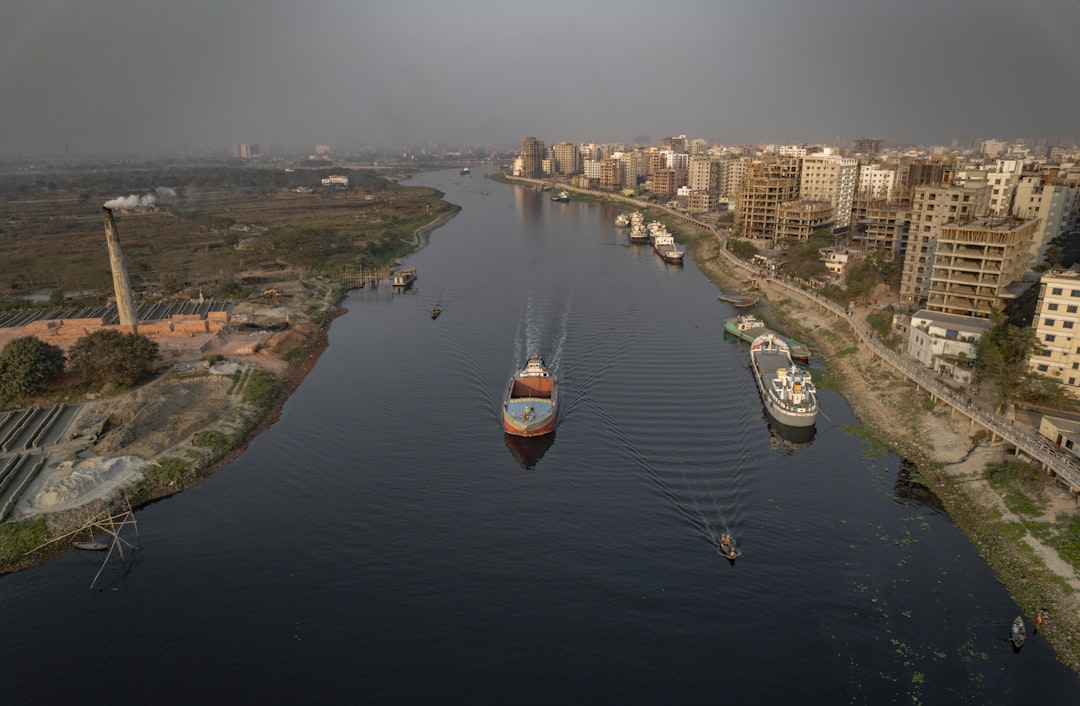
The Suez Canal, a vital artery for international maritime trade, has long been recognized as a critical passageway connecting Europe and Asia.
This strategic waterway facilitates approximately 12% of the world’s total trade, making its blockage a significant concern for economies worldwide.
The closure not only disrupted the flow of goods but also highlighted the vulnerabilities inherent in global supply chains that rely heavily on this singular route. As ships were forced to reroute or remain anchored, the immediate impact on trade volumes became evident. Industries dependent on timely deliveries, such as automotive and electronics, faced delays that could lead to production halts.
The ripple effects extended beyond immediate trade losses; they also raised questions about the resilience of global supply chains. Businesses began to reassess their logistics strategies, recognizing that reliance on a single passage could expose them to unforeseen risks. The closure of the Suez Canal served as a stark reminder of how interconnected global trade is and how quickly disruptions can escalate into broader economic challenges.
Key Takeaways
- The Suez Canal closure caused significant disruptions in global trade, leading to widespread shipping delays and backlogs.
- Shipping routes had to be altered, often resulting in longer transit times and increased operational costs.
- Economic impacts included higher shipping expenses, supply chain interruptions, and increased prices for goods worldwide.
- Alternative routes, such as around the Cape of Good Hope, were utilized but posed challenges like extended travel and environmental concerns.
- The closure highlighted the need for improved maritime insurance, strategic supply chain planning, and raised geopolitical tensions affecting international diplomacy.
How the Suez Canal Closure is Affecting Shipping Routes
The closure of the Suez Canal necessitated a reevaluation of established shipping routes, forcing vessels to seek alternative paths to reach their destinations. Traditionally, ships traveling between Europe and Asia would traverse the canal, significantly reducing travel time and distance. However, with the canal blocked, many shipping companies opted for longer routes around the Cape of Good Hope, adding weeks to transit times and increasing fuel costs.
This shift not only affected shipping schedules but also raised concerns about the environmental impact of longer journeys. Navigating around the Cape of Good Hope is not merely a logistical challenge; it also introduces complexities related to maritime safety and navigation. The longer routes expose vessels to different weather patterns and potential hazards, which can complicate voyages.
Additionally, ports along these alternative routes may not be equipped to handle the sudden influx of traffic, leading to congestion and further delays. As shipping companies grappled with these challenges, they were compelled to innovate and adapt their operations to maintain service levels while managing increased costs and risks.
Delays and Backlogs: The Ripple Effect of the Suez Canal Closure
The closure of the Suez Canal resulted in significant delays and backlogs that reverberated throughout the global shipping industry. As vessels queued up at both ends of the canal, waiting for clearance, the backlog created a bottleneck effect that impacted not only shipping schedules but also port operations worldwide. Ports that typically operated smoothly found themselves overwhelmed as they struggled to accommodate delayed shipments arriving all at once.
This congestion led to increased waiting times for unloading and processing cargo, further exacerbating supply chain disruptions. The delays caused by the Suez Canal closure had a cascading effect on various industries reliant on just-in-time inventory systems. Retailers faced shortages of goods, leading to empty shelves and frustrated consumers.
Manufacturers experienced interruptions in their production lines due to missing components, which in turn affected their ability to meet market demand. The ripple effect extended beyond immediate economic concerns; it also raised questions about inventory management practices and the need for greater flexibility in supply chains to withstand such disruptions in the future.
The Economic Consequences of the Suez Canal Blockage
The economic consequences of the Suez Canal blockage were profound and multifaceted. In addition to immediate financial losses incurred by shipping companies due to delays and rerouting, broader economic implications emerged as industries grappled with supply chain disruptions. Estimates suggested that billions of dollars were lost daily during the closure, affecting not only shipping companies but also manufacturers, retailers, and consumers worldwide.
The blockage underscored how interconnected global economies are and how quickly localized disruptions can escalate into widespread economic challenges. Moreover, the blockage prompted discussions about inflationary pressures as supply shortages began to affect prices across various sectors. With goods becoming scarcer due to delays in transportation, many businesses were forced to raise prices to offset increased costs associated with rerouting and extended delivery times.
This inflationary trend raised concerns among economists about potential long-term impacts on consumer behavior and overall economic growth. The Suez Canal closure served as a stark reminder of how fragile global trade systems can be and how quickly they can be disrupted by unforeseen events.
Alternative Shipping Routes: Navigating Around the Suez Canal Closure
| Metric | Impact/Value | Description |
|---|---|---|
| Duration of Closure | 6 days | Time the Suez Canal was blocked by the Ever Given container ship in March 2021 |
| Number of Ships Delayed | 400+ | Ships waiting to transit the canal during the blockage |
| Global Trade Volume Affected | 12% of global trade | Percentage of global maritime trade passing through the Suez Canal |
| Estimated Economic Loss | 9.6 billion per day | Estimated global trade value lost daily due to the blockage |
| Alternative Route Delay | Up to 14 days | Additional transit time for ships rerouting around the Cape of Good Hope |
| Fuel Costs Increase | Significant | Higher fuel consumption and costs due to longer alternative routes |
| Supply Chain Disruptions | Widespread | Delays in delivery of goods affecting manufacturing and retail sectors globally |
| Insurance Claims | Increased | Rise in claims related to delays, damages, and losses during the blockage |
In response to the Suez Canal closure, shipping companies were compelled to explore alternative routes that would allow them to continue operations despite the challenges posed by the blockage. One prominent alternative was the longer journey around the Cape of Good Hope, which added significant time and distance to voyages between Europe and Asia. While this route provided a temporary solution, it came with its own set of challenges, including increased fuel consumption and potential weather-related hazards.
Shipping companies also began to consider other less conventional routes that could mitigate some of the delays caused by the canal’s closure. For instance, some vessels explored northern passages through Arctic waters, which have become increasingly navigable due to climate change. However, these routes are fraught with their own risks and uncertainties, including environmental concerns and geopolitical tensions in those regions.
As companies weighed their options, it became clear that navigating around the Suez Canal closure required not only logistical ingenuity but also a willingness to adapt to changing circumstances in an increasingly complex maritime landscape.
The Role of Maritime Insurance in the Aftermath of the Suez Canal Closure
In the wake of the Suez Canal closure, maritime insurance emerged as a critical component in managing risk for shipping companies grappling with unprecedented challenges. The blockage raised questions about liability and coverage for vessels delayed or rerouted due to circumstances beyond their control. Insurers faced an influx of claims related to lost cargo, increased operational costs, and potential damages incurred during longer voyages.
As shipping companies sought to navigate this complex landscape, they turned to maritime insurance providers for guidance on how best to protect their interests. Insurers responded by reevaluating policies and coverage options in light of the unique challenges posed by the canal’s closure. This included offering specialized coverage for delays caused by unforeseen events and providing support for companies seeking to mitigate risks associated with alternative shipping routes.
The role of maritime insurance became increasingly vital as companies sought stability amid uncertainty in an evolving global trade environment.
Environmental Concerns: The Impact of the Suez Canal Closure on Emissions and Pollution
The closure of the Suez Canal not only disrupted global trade but also raised significant environmental concerns related to emissions and pollution from increased maritime traffic along alternative routes. As vessels rerouted around the Cape of Good Hope or explored other less conventional paths, they faced longer journeys that resulted in higher fuel consumption and increased greenhouse gas emissions. This shift highlighted a paradox: while seeking solutions to maintain trade flows, shipping companies inadvertently contributed to environmental degradation.
Increased shipping activity could lead to disturbances in local wildlife habitats and contribute to pollution in previously less-trafficked waters. As awareness grew regarding these environmental implications, stakeholders within the shipping industry began advocating for more sustainable practices that would balance economic needs with ecological responsibility.
The Response of Global Shipping Companies to the Suez Canal Closure
In response to the Suez Canal closure, global shipping companies demonstrated remarkable adaptability as they sought solutions to mitigate disruptions caused by this unprecedented event. Many companies quickly implemented contingency plans that involved rerouting vessels and adjusting schedules to accommodate delays while maintaining service levels for their customers. This agility underscored the importance of having robust crisis management strategies in place within an industry characterized by its complexity and interdependence.
Moreover, shipping companies began investing in technology and data analytics tools that could enhance their operational efficiency during times of disruption. By leveraging real-time data on vessel locations, weather patterns, and port conditions, companies aimed to optimize routing decisions and minimize delays wherever possible. This proactive approach not only helped mitigate immediate challenges but also positioned companies for greater resilience in future crises.
The Suez Canal Closure and its Effect on Supply Chains
The Suez Canal closure had profound implications for global supply chains that had become increasingly reliant on just-in-time inventory systems. As delays mounted due to blocked access through this critical waterway, businesses across various sectors faced significant disruptions in their ability to source materials and deliver products on time. Manufacturers found themselves grappling with shortages of essential components needed for production, leading to cascading effects throughout entire supply chains.
In response to these challenges, many companies began reevaluating their supply chain strategies with an emphasis on building greater resilience against future disruptions. This included diversifying sourcing options, increasing inventory levels, and exploring alternative transportation methods that could provide more flexibility during crises. The lessons learned from the Suez Canal closure prompted businesses to rethink traditional approaches to supply chain management in favor of more adaptive strategies capable of weathering unforeseen events.
Lessons Learned: How the Suez Canal Closure is Shaping Future Shipping Strategies
The Suez Canal closure served as a wake-up call for many stakeholders within the shipping industry, prompting a reevaluation of existing strategies and practices. One key lesson learned was the importance of diversification in logistics planning; relying heavily on a single route or passage can expose businesses to significant risks during unforeseen disruptions. As a result, many companies began exploring multiple transportation options and alternative routes as part of their long-term strategies.
Additionally, there was a growing recognition of the need for enhanced collaboration among industry players—shipping companies, port authorities, insurers, and governments alike—to develop more resilient systems capable of responding effectively to crises. By fostering greater communication and cooperation across sectors, stakeholders aimed to create a more robust framework for navigating future challenges while minimizing disruptions in global trade.
Geopolitical Implications of the Suez Canal Closure: International Relations and Diplomacy
The geopolitical implications of the Suez Canal closure extended far beyond economic considerations; they also highlighted underlying tensions in international relations and diplomacy. As nations grappled with the fallout from this disruption, discussions emerged regarding maritime security, trade policies, and regional stability in areas surrounding this critical waterway. Countries reliant on smooth trade flows through the canal found themselves reassessing their diplomatic strategies in light of potential vulnerabilities exposed by this incident.
Furthermore, the closure underscored how interconnected global economies are within an increasingly multipolar world where geopolitical dynamics can influence trade routes and access points. As nations navigated these complexities, there was a growing recognition that fostering cooperation among countries would be essential for ensuring stability in international trade networks moving forward. The lessons learned from this incident may shape future diplomatic efforts aimed at enhancing maritime security while promoting collaborative approaches to managing shared resources like vital waterways.
The closure of the Suez Canal has far-reaching consequences for global trade, impacting shipping routes and supply chains. For a deeper understanding of these implications, you can read more in the article available at this link. The disruption caused by the blockage highlights the vulnerabilities in maritime logistics and the potential economic fallout for various industries reliant on timely deliveries.
FAQs
What caused the Suez Canal closure?
The Suez Canal closure was primarily caused by the grounding of the container ship Ever Given, which became lodged across the canal, blocking all maritime traffic.
How long was the Suez Canal closed?
The Suez Canal was closed for six days, from March 23 to March 29, 2021, until the Ever Given was successfully refloated and the canal was reopened.
What are the immediate consequences of the Suez Canal closure?
The immediate consequences included a massive backlog of ships waiting to transit, significant delays in global shipping schedules, increased shipping costs, and disruptions to supply chains.
How did the closure affect global trade?
The closure disrupted the flow of goods between Europe, Asia, and the Middle East, delaying deliveries of essential commodities, raw materials, and manufactured products, which impacted industries worldwide.
Did the Suez Canal closure impact oil prices?
Yes, the blockage caused a temporary spike in oil prices due to concerns over delayed shipments of crude oil and petroleum products that transit through the canal.
What alternative routes did ships take during the closure?
Some ships rerouted around the Cape of Good Hope at the southern tip of Africa, which significantly increased travel time and fuel costs.
What are the long-term consequences of the Suez Canal closure?
Long-term consequences include increased awareness of vulnerabilities in global supply chains, potential investments in alternative routes and infrastructure, and discussions on improving canal safety and traffic management.
How did the closure affect shipping companies financially?
Shipping companies faced increased operational costs due to delays, rerouting, and congestion, as well as potential penalties for late deliveries.
What measures have been taken to prevent future closures?
Measures include enhanced navigation protocols, improved canal maintenance, investment in tugboats and dredging equipment, and the expansion of the canal to allow for easier passage of large vessels.
Is the Suez Canal a critical route for global shipping?
Yes, the Suez Canal is one of the world’s most important waterways, connecting the Mediterranean Sea to the Red Sea and significantly reducing travel time between Europe and Asia.