
The Suez Canal is an artificial waterway connecting the Mediterranean Sea to the Red Sea. Construction was completed in 1869, creating a direct shipping route between Europe and Asia that eliminates the need for vessels to navigate around the Cape of Good Hope at Africa’s southern tip. The canal measures approximately 120 miles (193 kilometers) in length.
The waterway handles approximately 12% of global maritime trade, with cargo including petroleum products, manufactured goods, and raw materials. Ships using the canal reduce their journey time and fuel costs compared to the alternative route around Africa, which adds roughly 3,500 nautical miles to the voyage. The Suez Canal Authority, established by the Egyptian government, manages canal operations and maintenance.
The authority oversees vessel traffic, collects transit fees, and maintains the waterway’s depth and width to accommodate modern shipping vessels. Approximately 19,000 ships transit the canal annually. The canal has experienced several major disruptions throughout its history, including closures during the 1956 Suez Crisis, the Six-Day War in 1967, and the 2021 Ever Given grounding incident.
These events demonstrated the canal’s critical role in global supply chains, as disruptions can affect shipping schedules, commodity prices, and international trade flows worldwide.
Key Takeaways
- The Suez Canal is a critical global trade route whose disruption caused significant delays and increased shipping costs.
- The blockage impacted various industries by delaying deliveries and forcing the use of longer alternative routes.
- Global supply chain stakeholders responded with coordinated efforts to clear the canal and mitigate immediate impacts.
- Long-term implications include a reassessment of supply chain vulnerabilities and the exploration of diversified shipping routes.
- Lessons learned emphasize the need for improved preparedness to handle future disruptions in key maritime chokepoints.
Overview of the disruption
In March 2021, the Suez Canal experienced a significant disruption when the Ever Given, a massive container ship, ran aground and blocked the waterway for six days. This incident captured global attention as it highlighted the vulnerabilities inherent in modern shipping practices. The Ever Given, measuring over 1,300 feet in length, became lodged in the canal’s banks due to poor visibility and high winds, effectively halting traffic in both directions.
The blockage not only stranded hundreds of vessels but also raised alarms about the fragility of global supply chains that rely heavily on this critical passage. The incident was unprecedented in its scale and impact, prompting immediate responses from maritime authorities and shipping companies alike. Efforts to dislodge the Ever Given involved dredging operations and tugboats working tirelessly to free the vessel from its predicament.
As days turned into a week, the world watched closely, with many industries bracing for the ripple effects that would inevitably follow. The disruption served as a stark reminder of how interconnected global trade has become and how a single event can send shockwaves through economies worldwide.
Impact on global trade
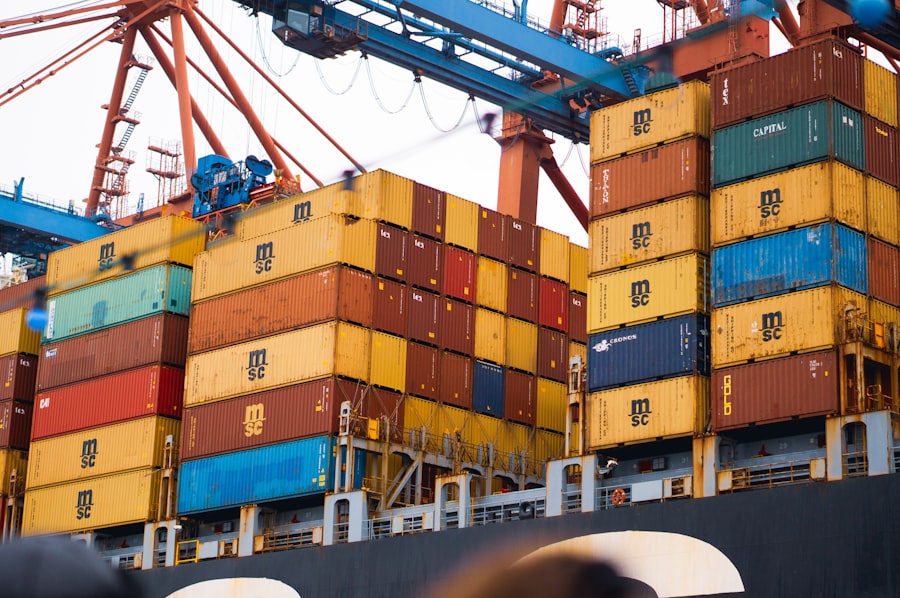
The blockage of the Suez Canal had immediate and profound implications for global trade. With an estimated $9 to $10 billion worth of goods passing through the canal each day, the economic ramifications were staggering. The disruption not only delayed shipments but also created a backlog of vessels waiting to transit through the canal.
This situation led to increased shipping times and uncertainty for businesses that depend on timely deliveries of raw materials and finished products. Moreover, the incident underscored the reliance of many industries on just-in-time inventory practices, which aim to minimize stock levels while ensuring that goods arrive precisely when needed. As companies faced delays in receiving essential components, production schedules were thrown into disarray.
The ripple effects extended beyond immediate financial losses; they also raised concerns about inflationary pressures as supply shortages began to emerge in various sectors.
Delays in delivery and increased costs
As the Suez Canal remained blocked, delays in delivery became a pressing issue for businesses around the globe. Shipping companies scrambled to reroute vessels or find alternative means of transportation, but these solutions often came with their own set of challenges.
In addition to delays, companies faced increased costs associated with rerouting ships or expediting shipments through alternative channels. Freight rates surged as demand for available shipping capacity skyrocketed. Businesses that had already been grappling with rising costs due to pandemic-related disruptions now found themselves facing additional financial strain.
The cumulative effect of these delays and increased costs threatened to erode profit margins and disrupt long-term planning for many organizations.
Alternative shipping routes
| Metric | Value | Details |
|---|---|---|
| Duration of Disruption | 6 days | March 23 – March 29, 2021 |
| Number of Ships Delayed | Approximately 400 | Ships waiting to transit the canal |
| Daily Global Trade Impact | 12% of global trade | Percentage of global trade passing through the canal |
| Estimated Cargo Value Delayed | 9.6 billion | Value of goods delayed per day |
| Average Delay per Ship | 4 days | Additional transit time due to blockage |
| Impact on Oil Shipments | 2 million barrels per day | Oil shipments delayed through the canal |
| Alternative Route Used | Around Cape of Good Hope | Longer route adding approximately 10-14 days |
| Estimated Additional Fuel Costs | Significant increase | Due to longer alternative routes |
In response to the blockage of the Suez Canal, shipping companies began exploring alternative routes to circumvent the disruption. One such option was the longer journey around the Cape of Good Hope at the southern tip of Africa. While this route offered a viable alternative, it added significant time and distance to shipping schedules, resulting in higher fuel costs and extended delivery times.
The diversion around Africa was not without its challenges; weather conditions and piracy risks in certain regions posed additional concerns for shipping companies.
As businesses weighed their options, it became clear that while alternative routes existed, they were not without their drawbacks and complexities.
Effects on specific industries
The impact of the Suez Canal disruption was felt across various industries, each grappling with unique challenges stemming from delayed shipments and increased costs. The oil and gas sector was particularly affected, as a significant portion of crude oil and liquefied natural gas (LNG) shipments transited through the canal. Delays in these shipments not only disrupted supply chains but also contributed to fluctuations in global oil prices.
The manufacturing sector also faced significant repercussions as companies reliant on just-in-time inventory systems struggled to maintain production schedules. Industries such as automotive manufacturing, electronics, and consumer goods were particularly vulnerable due to their dependence on timely delivery of components from overseas suppliers. As production lines slowed or halted altogether, businesses were forced to reevaluate their supply chain strategies and consider diversifying their sourcing options.
Response from global supply chain stakeholders
In light of the disruption caused by the Suez Canal blockage, stakeholders across the global supply chain mobilized to address the challenges at hand. Shipping companies worked diligently to reroute vessels and communicate with customers about delays and potential impacts on deliveries. Port authorities around the world prepared for an influx of ships once the canal reopened, anticipating a surge in traffic as vessels sought to make up for lost time.
Manufacturers and retailers also took proactive measures by reassessing their inventory management strategies and exploring alternative sourcing options. Many companies began to prioritize building more resilient supply chains that could withstand future disruptions. This shift in focus highlighted a growing recognition among stakeholders that reliance on a single route or supplier could pose significant risks in an increasingly interconnected world.
Long-term implications
The Suez Canal disruption served as a wake-up call for many industries regarding the vulnerabilities inherent in global supply chains. As businesses reflected on their experiences during this crisis, it became evident that long-term implications would extend far beyond immediate financial losses. Companies began to recognize the importance of diversifying their supply chains and building redundancy into their operations to mitigate risks associated with future disruptions.
Additionally, there was a growing emphasis on investing in technology and data analytics to enhance visibility across supply chains. By leveraging real-time information about inventory levels, shipping schedules, and potential disruptions, businesses could make more informed decisions and respond more effectively to unforeseen challenges. The lessons learned from this incident prompted many organizations to reevaluate their risk management strategies and prioritize resilience in an ever-evolving global landscape.
Efforts to clear the canal
Efforts to clear the Suez Canal following the grounding of the Ever Given involved a coordinated response from multiple stakeholders. Dredging operations were initiated immediately to remove sediment from around the vessel’s bow and stern while tugboats worked tirelessly to pull it free from its position. The operation required careful planning and execution due to the size of the ship and its precarious position within the canal.
After six days of intense efforts, including excavating sand and mud from around the ship’s hull, teams successfully dislodged the Ever Given on March 29, 2021. The moment marked a significant milestone not only for those involved in the operation but also for global trade as vessels could once again navigate through this critical waterway. The successful resolution of this crisis underscored the importance of collaboration among maritime authorities, shipping companies, and logistics providers in addressing complex challenges.
Lessons learned and future preparedness
The Suez Canal incident provided valuable lessons for businesses and stakeholders across global supply chains regarding preparedness for future disruptions. One key takeaway was the necessity of developing contingency plans that account for potential blockages or delays in critical transportation routes. Companies began to recognize that having alternative sourcing options and diversified transportation methods could mitigate risks associated with reliance on a single route.
Furthermore, there was an increased focus on enhancing communication channels among supply chain partners. Timely information sharing regarding potential disruptions or delays became paramount in enabling businesses to respond effectively and make informed decisions. As organizations reflected on their experiences during this crisis, many committed to investing in technology solutions that would enhance visibility across their supply chains and improve overall resilience.
Conclusion and outlook for the global supply chain
In conclusion, the disruption of the Suez Canal by the grounding of the Ever Given served as a stark reminder of how interconnected global trade has become and how vulnerable it can be to unforeseen events. The incident had far-reaching implications for industries worldwide, highlighting both immediate challenges such as delays and increased costs as well as long-term considerations regarding supply chain resilience. As businesses move forward from this experience, there is an opportunity for them to adopt more robust strategies that prioritize flexibility and adaptability in their operations.
By learning from past disruptions and investing in technology-driven solutions, organizations can better prepare themselves for future challenges while ensuring that they remain competitive in an ever-evolving global marketplace. The outlook for global supply chains will depend on how effectively stakeholders respond to these lessons learned and implement changes that foster resilience in an increasingly complex world.
The Suez Canal supply chain disruption has had significant implications for global trade, as highlighted in a recent article. For a deeper understanding of the ongoing challenges and their impact on shipping routes, you can read more in this article on MyGeoQuest: Suez Canal Disruption Analysis. This resource provides insights into the logistical hurdles faced by companies and the broader economic consequences of the blockage.
FAQs
What caused the Suez Canal supply chain disruption?
The disruption was primarily caused by the grounding of a large container ship, which blocked the canal and halted maritime traffic for several days.
How long was the Suez Canal blocked during the disruption?
The canal was blocked for approximately six days before the vessel was refloated and traffic resumed.
Why is the Suez Canal important for global supply chains?
The Suez Canal is a critical maritime route connecting the Mediterranean Sea to the Red Sea, significantly shortening shipping times between Europe and Asia. It handles about 12% of global trade, including oil, gas, and container shipments.
What were the economic impacts of the Suez Canal blockage?
The blockage caused delays in the delivery of goods, increased shipping costs, and disrupted supply chains worldwide. It also led to increased congestion at ports and affected industries reliant on just-in-time inventory.
How did shipping companies respond to the Suez Canal disruption?
Many shipping companies rerouted vessels around the Cape of Good Hope, which added significant time and cost to voyages. Others faced delays waiting for the canal to reopen.
What measures have been taken to prevent future disruptions in the Suez Canal?
Authorities have increased dredging and maintenance efforts, improved navigation protocols, and invested in infrastructure upgrades to reduce the risk of similar incidents.
Can the Suez Canal handle large vessels safely?
The canal is designed to accommodate large vessels, including ultra-large container ships, but navigation requires precise control and favorable conditions to prevent accidents.
How does the Suez Canal disruption affect global supply chains?
Disruptions can cause delays in the delivery of raw materials and finished goods, leading to production slowdowns, inventory shortages, and increased costs across multiple industries worldwide.
Are there alternative routes to the Suez Canal?
Yes, the primary alternative is the longer route around the Cape of Good Hope at the southern tip of Africa, which adds significant time and fuel costs to shipping.
What lessons were learned from the Suez Canal supply chain disruption?
The incident highlighted the vulnerability of global supply chains to single points of failure and underscored the importance of supply chain diversification, risk management, and infrastructure resilience.