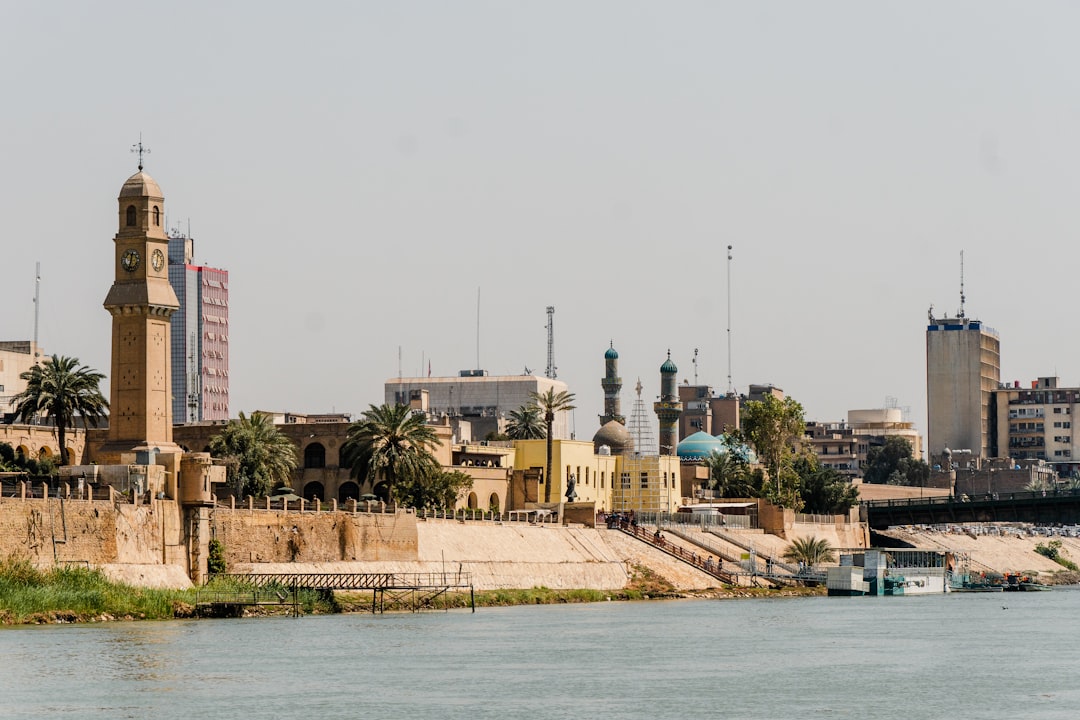
The Suez Canal, an engineering marvel that connects the Mediterranean Sea to the Red Sea, stands as a pivotal artery for international maritime trade. Completed in 1869, this artificial waterway spans approximately 120 miles and serves as a shortcut for vessels traveling between Europe and Asia, significantly reducing the journey time compared to the alternative route around the southern tip of Africa. The canal’s strategic location has made it a focal point for global shipping, facilitating the movement of goods and resources across continents.
Its importance cannot be overstated, as it not only enhances trade efficiency but also plays a crucial role in shaping geopolitical dynamics. The canal’s construction was a monumental achievement of its time, reflecting the technological advancements and ambitions of the 19th century. It was designed to accommodate the growing demands of global trade, allowing larger vessels to navigate its waters.
Over the years, the Suez Canal has undergone numerous expansions and improvements to keep pace with the increasing size of modern shipping fleets. Today, it remains one of the busiest waterways in the world, with thousands of ships passing through annually, underscoring its enduring significance in the realm of international commerce.
Key Takeaways
- The Suez Canal is a critical maritime route with significant historical and economic importance.
- It plays a vital role in facilitating global trade and shaping international supply chains.
- Disruptions in canal traffic can have widespread economic and geopolitical consequences.
- Environmental and regional economic factors are key considerations in the canal’s operation and development.
- Technological advancements and risk mitigation strategies are essential for the canal’s future sustainability and relevance.
Historical significance of the Suez Canal
The historical significance of the Suez Canal extends far beyond its physical dimensions; it symbolizes a transformative period in global trade and geopolitics. The canal was conceived during a time when European powers were expanding their empires and seeking new trade routes to enhance their economic interests. Its completion marked a turning point in maritime navigation, allowing for more direct access to Asian markets and resources.
This shift not only altered trade patterns but also contributed to the rise of colonialism, as nations vied for control over key maritime routes. Throughout its history, the Suez Canal has been at the center of numerous geopolitical conflicts. The canal’s strategic importance made it a target during various military confrontations, including the Suez Crisis of 1956, when Egypt nationalized the canal, leading to a military intervention by Britain, France, and Israel.
This event highlighted the canal’s role as a flashpoint in international relations and underscored how control over such vital infrastructure could influence global power dynamics. The historical narrative of the Suez Canal is thus intertwined with broader themes of imperialism, nationalism, and economic competition.
Economic impact of the Suez Canal on global trade

The economic impact of the Suez Canal on global trade is profound and multifaceted. By providing a direct route between Europe and Asia, the canal significantly reduces shipping times and costs for businesses engaged in international trade. This efficiency translates into lower prices for consumers and increased competitiveness for exporters.
The canal is estimated to handle around 12% of global trade volume, making it an essential conduit for goods ranging from oil and gas to consumer products. Its role in facilitating trade cannot be overstated, as it enables countries to access markets more swiftly and efficiently. Moreover, the Suez Canal generates substantial revenue for Egypt through tolls charged to passing vessels.
This income is vital for the Egyptian economy, contributing to national development projects and infrastructure improvements. The canal’s economic significance extends beyond direct toll revenues; it also stimulates related industries such as shipping, logistics, and tourism. Ports along the canal have developed into bustling hubs of activity, creating jobs and fostering economic growth in the region.
As global trade continues to evolve, the Suez Canal remains a linchpin in maintaining economic stability and growth.
Key factors influencing the economic impact of the Suez Canal
Several key factors influence the economic impact of the Suez Canal on global trade dynamics. One significant factor is the size and capacity of vessels that can navigate its waters. As shipping companies increasingly invest in larger ships to maximize efficiency, the canal has had to adapt through expansions and deepening projects.
The introduction of larger vessels has led to increased traffic through the canal, further enhancing its economic significance. However, this also necessitates ongoing investments in infrastructure to ensure safe passage and accommodate future growth. Another critical factor is geopolitical stability in the region surrounding the canal.
Political tensions or conflicts can disrupt traffic flow, leading to delays and increased shipping costs. For instance, incidents such as blockades or military actions can have immediate repercussions on global supply chains, affecting everything from oil prices to consumer goods availability. The reliance on the Suez Canal for efficient trade underscores the need for stable governance and international cooperation to safeguard this vital waterway.
Implications of disruptions in Suez Canal traffic
| Metric | Value | Unit | Description |
|---|---|---|---|
| Annual Revenue | 5.8 | Billion | Annual toll revenue generated by the Suez Canal |
| Number of Ships Passing Annually | 19,000 | Ships | Total vessels transiting the canal each year |
| Global Trade Volume | 12 | Percent | Percentage of global trade passing through the canal |
| Transit Time Reduction | 7,000 | Kilometers | Distance saved by using the canal instead of the Cape of Good Hope route |
| Employment Impact | 100,000 | Jobs | Number of jobs directly and indirectly supported by the canal |
| Contribution to Egypt’s GDP | 3 | Percent | Percentage of Egypt’s GDP attributed to the canal’s operations |
Disruptions in Suez Canal traffic can have far-reaching implications for global trade and economies worldwide. When traffic is halted or delayed due to accidents, geopolitical tensions, or natural disasters, the ripple effects can be felt across various sectors. For instance, during the Ever Given incident in March 2021, when a massive container ship became lodged in the canal, it caused significant delays in shipping schedules and led to billions of dollars in losses for businesses reliant on timely deliveries.
Such disruptions highlight how interconnected global supply chains are and how vulnerable they can be to localized incidents. The implications extend beyond immediate financial losses; they can also lead to longer-term shifts in trade patterns. Businesses may seek alternative routes or modes of transportation to mitigate risks associated with reliance on the canal.
Additionally, prolonged disruptions may prompt nations to reconsider their dependence on specific trade routes, potentially leading to a diversification of supply chains that could reshape global commerce.
Suez Canal’s role in shaping global supply chains
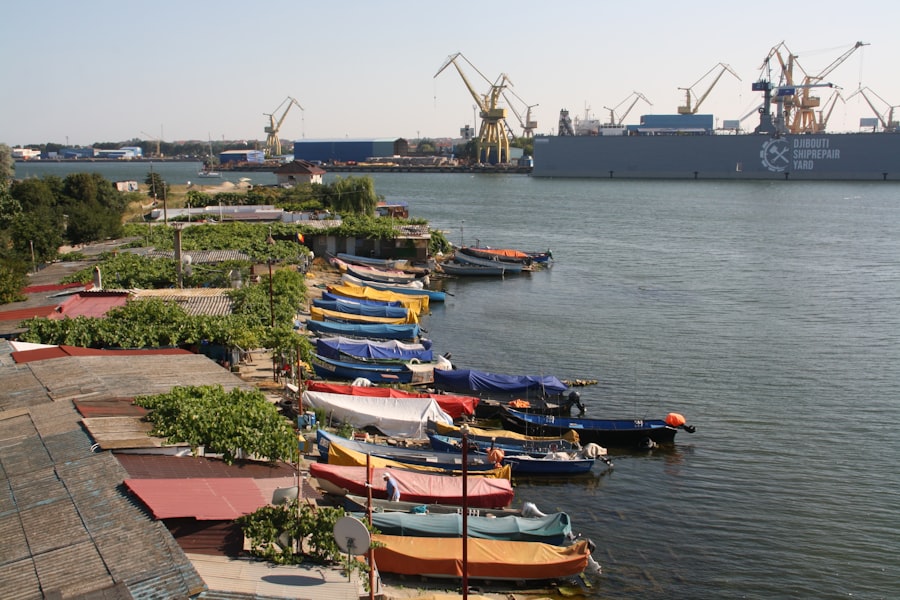
The Suez Canal plays a pivotal role in shaping global supply chains by serving as a critical link between major markets. Its strategic position allows for efficient transportation of goods between Europe, Asia, and beyond, facilitating just-in-time delivery systems that many industries rely on today. The canal’s ability to accommodate large volumes of cargo has made it an essential route for shipping everything from raw materials to finished products.
As businesses increasingly prioritize efficiency and cost-effectiveness in their supply chains, the importance of the Suez Canal cannot be overstated. Moreover, the canal’s influence extends beyond mere transportation; it also impacts sourcing strategies for companies worldwide. Many businesses strategically locate their manufacturing facilities near key ports that connect with the Suez Canal to optimize logistics and reduce lead times.
This interconnectedness fosters collaboration among various stakeholders within supply chains, from manufacturers to distributors and retailers. As global trade continues to evolve, the Suez Canal will remain a vital component in shaping how goods are produced, transported, and consumed across borders.
Environmental and geopolitical considerations related to the Suez Canal
The environmental implications of the Suez Canal are increasingly coming under scrutiny as global awareness of climate change grows. The canal’s operation contributes to greenhouse gas emissions from ships traversing its waters, raising concerns about its environmental footprint. Additionally, there are worries about potential oil spills or other ecological disasters that could arise from maritime accidents within or near the canal.
As shipping traffic continues to increase, balancing economic interests with environmental sustainability will be a critical challenge for stakeholders involved in managing this vital waterway. Geopolitically, the Suez Canal remains a focal point for international relations due to its strategic importance. Control over this waterway has historically been contested by various nations seeking to exert influence over global trade routes.
The canal’s location makes it susceptible to geopolitical tensions that can disrupt maritime traffic and impact global markets. As nations navigate complex relationships in an increasingly multipolar world, ensuring stability around the Suez Canal will be essential for maintaining open trade routes and fostering international cooperation.
Suez Canal’s impact on regional economies
The impact of the Suez Canal on regional economies is profound and multifaceted. For Egypt, the canal represents a significant source of revenue through tolls collected from passing vessels. This income is crucial for funding national development projects and improving infrastructure within the country.
Additionally, ports along the canal have become vital economic hubs that create jobs and stimulate local economies through increased trade activity. The canal’s presence has transformed cities like Port Said into bustling centers of commerce and industry. Beyond Egypt, neighboring countries also benefit from the canal’s economic activities.
The increased flow of goods through this waterway fosters regional trade partnerships and encourages investment in logistics and transportation infrastructure across North Africa and the Middle East. As businesses seek efficient ways to access markets via the canal, they contribute to broader economic growth within these regions. The interconnectedness fostered by the Suez Canal highlights its role as a catalyst for regional development and cooperation.
Technological advancements and the future of the Suez Canal
Technological advancements are poised to shape the future of the Suez Canal significantly. Innovations in navigation systems, vessel design, and port management are enhancing operational efficiency within this critical waterway. For instance, advancements in digital technologies enable real-time tracking of ships traversing the canal, allowing for better traffic management and reduced waiting times at ports.
These improvements not only enhance safety but also contribute to more sustainable practices by optimizing fuel consumption during transit. Looking ahead, there is potential for further expansion projects aimed at accommodating larger vessels and increasing overall capacity within the canal system. As shipping companies continue to invest in mega-ships capable of carrying vast amounts of cargo, ensuring that infrastructure keeps pace with these developments will be essential for maintaining competitiveness in global trade.
The future of the Suez Canal will likely involve a combination of technological innovation and strategic planning to address emerging challenges while capitalizing on new opportunities.
Strategies for mitigating risks associated with the Suez Canal
Mitigating risks associated with the Suez Canal requires a multifaceted approach involving various stakeholders within maritime industries and governments alike. One key strategy involves enhancing infrastructure resilience through regular maintenance and upgrades to accommodate larger vessels while ensuring safe navigation conditions. Investments in advanced monitoring systems can help identify potential hazards before they escalate into significant disruptions.
Collaborative efforts aimed at ensuring security within maritime routes can help mitigate risks associated with piracy or military conflicts that may disrupt traffic flow through this vital waterway. By prioritizing proactive measures and fostering dialogue among stakeholders, it is possible to enhance resilience against potential disruptions while safeguarding one of the world’s most important maritime corridors.
The enduring relevance of the Suez Canal
In conclusion, the enduring relevance of the Suez Canal cannot be overstated; it remains a cornerstone of global trade and an essential link between continents. Its historical significance as a transformative engineering feat continues to resonate today as it shapes economic dynamics across regions while influencing geopolitical relationships among nations. As global commerce evolves amidst changing technologies and environmental considerations, maintaining this vital waterway will require ongoing investments in infrastructure alongside collaborative efforts aimed at ensuring stability within maritime routes.
The future of the Suez Canal holds promise as technological advancements pave new pathways for efficiency while addressing emerging challenges related to sustainability and security concerns. By recognizing its critical role within international supply chains and fostering cooperation among stakeholders invested in its success, there is potential not only for continued growth but also for enhanced resilience against disruptions that could threaten its operation. Ultimately, understanding both its historical context and contemporary significance will be essential for navigating an increasingly interconnected world where access to efficient trade routes remains paramount.
The Suez Canal has long been a critical artery for global trade, and its economic impact is profound, influencing shipping routes and costs worldwide. For a deeper understanding of this topic, you can read a related article that explores the various economic implications of the Suez Canal on international trade at MyGeoQuest. This resource provides valuable insights into how disruptions in this vital waterway can ripple through the global economy.
FAQs
What is the Suez Canal?
The Suez Canal is an artificial waterway in Egypt that connects the Mediterranean Sea to the Red Sea, allowing for direct maritime transport between Europe and Asia without navigating around Africa.
How does the Suez Canal impact global trade?
The Suez Canal significantly reduces shipping time and costs by providing a shorter route for vessels traveling between Europe and Asia, facilitating faster delivery of goods and boosting international trade efficiency.
What is the economic importance of the Suez Canal to Egypt?
The canal is a major source of revenue for Egypt through toll fees charged to ships passing through. It also supports local employment and stimulates economic activities related to shipping, logistics, and port services.
How does the Suez Canal affect shipping costs?
By shortening the maritime route, the canal reduces fuel consumption and transit time for shipping companies, leading to lower operational costs and potentially lower prices for consumers.
What was the economic impact of the 2021 Suez Canal blockage?
The blockage caused significant delays in global shipping, disrupted supply chains, increased shipping costs, and temporarily reduced Egypt’s toll revenues, highlighting the canal’s critical role in global commerce.
Are there any environmental economic considerations related to the Suez Canal?
Yes, the canal’s operation affects marine ecosystems and can facilitate the spread of invasive species, which may impact fisheries and biodiversity, potentially leading to economic consequences for local communities.
How does the Suez Canal compare to alternative shipping routes?
The Suez Canal offers a faster and more cost-effective route compared to alternatives like the Cape of Good Hope route around Africa, making it a preferred passage for many shipping companies.
What measures has Egypt taken to enhance the economic benefits of the Suez Canal?
Egypt has invested in canal expansion projects, improved navigation infrastructure, and developed adjacent economic zones to increase capacity, attract investment, and boost economic growth linked to the canal.