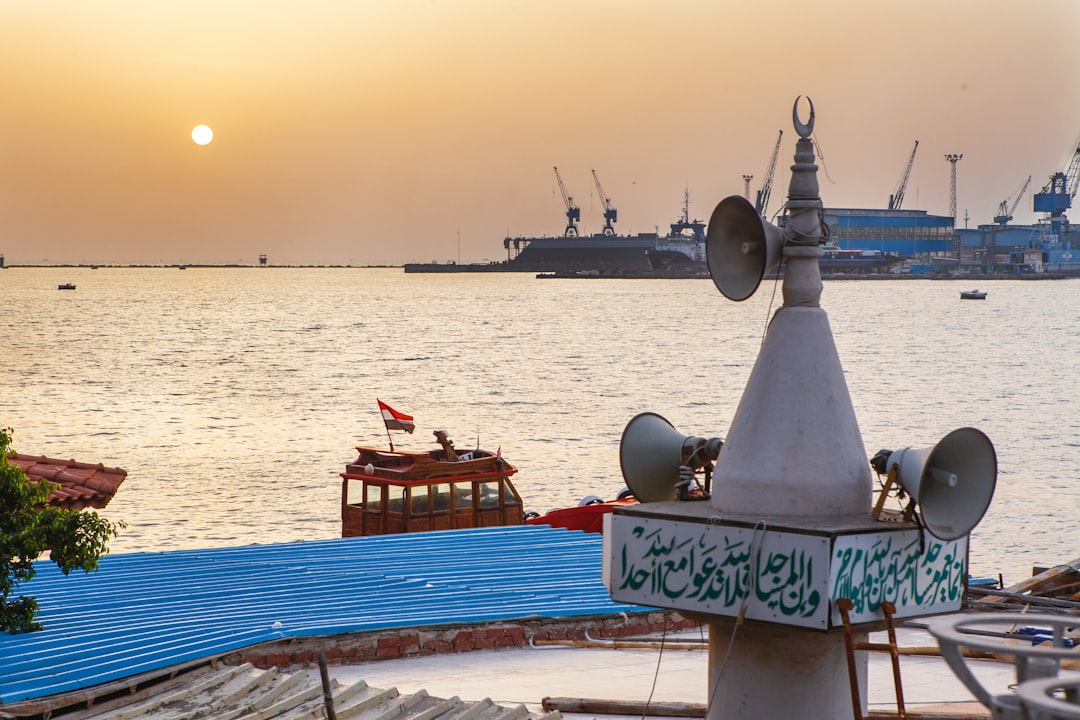
The Suez Canal, a vital artery for global trade, has long been recognized as one of the most significant waterways in the world. Spanning approximately 120 miles, it connects the Mediterranean Sea to the Red Sea, allowing ships to bypass the lengthy and perilous journey around the southern tip of Africa. The canal’s strategic importance cannot be overstated; it facilitates around 12% of global trade, serving as a crucial passage for oil, consumer goods, and raw materials.
However, the canal’s operations are not immune to disruption. In March 2021, the grounding of the Ever Given, a massive container ship, brought international shipping to a standstill, highlighting the fragility of this critical trade route. The incident underscored how quickly a single event could ripple through the global economy.
The blockage lasted for six days, but its repercussions were felt far beyond the immediate area. As vessels queued up at both ends of the canal, the world watched as supply chains began to unravel. This closure served as a stark reminder of the interconnectedness of global trade and the vulnerabilities that come with it.
The implications of such disruptions extend beyond immediate delays; they can reshape trade dynamics and force industries to rethink their logistics strategies.
Key Takeaways
- The Suez Canal closure caused major disruptions in global trade routes and supply chains.
- Businesses faced economic losses due to increased shipping costs and delays.
- The global economy experienced strain, leading to higher consumer prices.
- Efforts to mitigate the impact highlighted the need for better contingency planning.
- The event underscored the importance of resilient and adaptable global trade systems.
Disruption of global trade routes
The closure of the Suez Canal had immediate and far-reaching effects on global trade routes. With the canal blocked, ships were forced to reroute, leading to significant delays in deliveries and increased congestion in alternative shipping lanes. The diversion of vessels around the Cape of Good Hope added weeks to transit times, exacerbating an already strained supply chain.
This disruption was particularly impactful for industries reliant on just-in-time inventory systems, which depend on timely deliveries to maintain production schedules and meet consumer demand. Moreover, the blockage highlighted vulnerabilities in global trade networks that many had taken for granted. The Suez Canal serves as a critical junction for shipping routes between Europe and Asia, and its closure forced companies to reconsider their logistics strategies.
The incident served as a wake-up call for industries that had become overly reliant on specific routes and suppliers, prompting a reevaluation of risk management practices in global trade.
Impact on supply chains and logistics
The ramifications of the Suez Canal closure rippled through supply chains worldwide, revealing weaknesses in logistics that many companies had not previously acknowledged. As vessels were delayed or rerouted, manufacturers faced shortages of essential components needed for production. Industries such as automotive and electronics, which rely heavily on timely deliveries of parts from various regions, experienced significant disruptions.
This situation forced many companies to halt production lines or scale back operations due to insufficient inventory. In addition to immediate shortages, the closure also prompted businesses to reassess their supply chain resilience. Companies began exploring alternative sourcing strategies and diversifying their supplier base to mitigate risks associated with future disruptions.
The incident underscored the importance of flexibility in logistics planning, as businesses recognized that relying on a single route or supplier could lead to catastrophic consequences in times of crisis. As a result, many organizations began investing in technology and data analytics to enhance visibility across their supply chains, enabling them to respond more effectively to unforeseen challenges.
Economic consequences for businesses and industries
The economic consequences of the Suez Canal closure were profound and widespread, affecting businesses across various sectors. The immediate financial impact was felt by shipping companies that faced significant losses due to delayed deliveries and increased operational costs. Additionally, industries reliant on imported goods experienced rising prices as supply dwindled and demand remained steady.
This situation created a ripple effect throughout the economy, leading to increased costs for consumers and businesses alike. Furthermore, the closure highlighted the vulnerability of global supply chains to external shocks. Many companies found themselves grappling with increased operational costs as they sought alternative shipping routes or expedited deliveries.
The resulting inflationary pressures contributed to rising consumer prices, prompting concerns about long-term economic stability. As businesses struggled to navigate these challenges, many were forced to make difficult decisions regarding staffing and investment, further impacting economic growth.
Increased shipping costs and delays
| Metric | Impact if Suez Canal Closes |
|---|---|
| Global Shipping Delay | Average delay of 6-10 days due to rerouting around the Cape of Good Hope |
| Additional Distance for Ships | Approximately 4,000 extra nautical miles |
| Increase in Fuel Consumption | Up to 30% more fuel used per voyage |
| Increase in Shipping Costs | Estimated 10-20% rise due to longer routes and fuel use |
| Impact on Global Trade Volume | Potential reduction of 5-10% in trade throughput temporarily |
| Effect on Oil Supply | About 8-10% of global oil shipments delayed or rerouted |
| Impact on Consumer Goods | Delays and shortages in electronics, clothing, and other imports |
| Environmental Impact | Increased emissions due to longer shipping routes |
As a direct consequence of the Suez Canal closure, shipping costs skyrocketed while delays became commonplace. The grounding of the Ever Given led to a surge in freight rates as shipping companies sought to recoup losses incurred during the blockage. With vessels diverted around Africa or forced to wait for passage through alternative routes, shipping times extended significantly.
This situation created a perfect storm of increased demand for limited shipping capacity, driving prices higher and straining budgets for businesses reliant on international trade. The rise in shipping costs had a cascading effect on various industries, particularly those dependent on imported goods. Retailers faced higher expenses that were often passed on to consumers in the form of increased prices for everyday products.
This inflationary trend raised concerns about consumer spending power and overall economic health. As businesses grappled with these challenges, many began exploring ways to optimize their logistics operations and reduce reliance on traditional shipping routes.
Strain on global economy and consumer prices
The strain on the global economy resulting from the Suez Canal closure was palpable, with consumer prices rising as businesses struggled to cope with increased shipping costs and delays. The interconnected nature of modern economies meant that disruptions in one region could have far-reaching implications elsewhere. As companies faced higher operational expenses due to rerouted shipments and longer delivery times, many were compelled to raise prices on their products and services.
This inflationary pressure was particularly evident in sectors such as food and consumer goods, where supply chain disruptions led to shortages and increased costs for essential items. Consumers found themselves paying more for everyday products as businesses sought to offset rising expenses. The situation raised concerns about long-term inflation trends and their potential impact on economic recovery efforts in the wake of the pandemic.
Potential long-term effects on trade patterns
The Suez Canal closure prompted discussions about potential long-term effects on global trade patterns. As companies reevaluated their logistics strategies in response to the disruption, some began considering alternative routes or sourcing options that could reduce reliance on traditional shipping lanes. This shift could lead to a diversification of trade routes and an increased emphasis on regional supply chains.
Moreover, the incident highlighted the need for greater resilience in global trade networks. Businesses may increasingly prioritize flexibility over cost-efficiency when designing their supply chains, leading to a more robust approach that can withstand future disruptions. As companies adapt to these changes, it is possible that new trade partnerships will emerge, reshaping established relationships and altering the dynamics of international commerce.
Efforts to mitigate the impact of the Suez Canal closure
In response to the Suez Canal closure and its far-reaching consequences, various stakeholders took steps to mitigate its impact on global trade. Shipping companies implemented contingency plans aimed at minimizing delays and optimizing routes for affected vessels. Many organizations began investing in technology solutions that enhance visibility across supply chains, allowing them to respond more effectively to disruptions.
Governments also played a role in addressing the fallout from the closure by facilitating discussions among industry stakeholders and exploring ways to improve infrastructure resilience. Collaborative efforts aimed at enhancing port operations and streamlining customs processes became increasingly important as countries sought to minimize future disruptions in global trade. These initiatives underscored the importance of cooperation among nations in navigating complex supply chain challenges.
Lessons learned and future contingency planning
The Suez Canal closure served as a critical learning opportunity for businesses and governments alike regarding contingency planning in global trade. Organizations recognized the need for robust risk management strategies that account for potential disruptions in supply chains. Many began reevaluating their logistics frameworks, emphasizing flexibility and adaptability as key components of future planning.
Additionally, companies started prioritizing investments in technology that enhance supply chain visibility and enable real-time decision-making during crises. By leveraging data analytics and predictive modeling, businesses can better anticipate potential disruptions and develop proactive strategies to mitigate their impact. The lessons learned from this incident will likely shape future approaches to logistics management and risk assessment across industries.
Geopolitical implications of the Suez Canal closure
The geopolitical implications of the Suez Canal closure were significant, highlighting how critical infrastructure can influence international relations and trade dynamics. The incident drew attention to the strategic importance of maritime routes and raised questions about security vulnerabilities associated with global trade networks. Countries reliant on these routes began reassessing their maritime policies and exploring ways to enhance security measures.
Furthermore, discussions surrounding alternative trade routes gained momentum as nations considered diversifying their shipping options away from traditional chokepoints like the Suez Canal. This shift could lead to changes in alliances and partnerships among countries seeking greater control over their trade routes. As geopolitical tensions continue to shape global commerce, the lessons learned from this incident will likely inform future discussions about maritime security and international cooperation.
the need for resilient and adaptable global trade systems
In conclusion, the Suez Canal closure served as a stark reminder of the vulnerabilities inherent in global trade systems. The disruption highlighted how quickly a single event can ripple through interconnected supply chains, affecting businesses and consumers alike. As industries grapple with rising costs and delays, it has become increasingly clear that resilience and adaptability are essential components of effective logistics management.
Moving forward, stakeholders must prioritize investments in technology and infrastructure that enhance supply chain visibility and flexibility. By learning from past disruptions and implementing proactive strategies, businesses can better navigate future challenges while fostering a more resilient global trade system. Ultimately, collaboration among nations will be crucial in ensuring that international commerce remains robust in an ever-evolving landscape marked by uncertainty and change.
The potential closure of the Suez Canal could have significant implications for global trade, as it serves as a crucial passage for shipping routes between Europe and Asia. For a deeper understanding of the potential impacts and scenarios that could unfold if the canal were to close, you can read more in this related article on MyGeoQuest: What Happens If the Suez Canal Closes?.
FAQs
What is the Suez Canal and why is it important?
The Suez Canal is a man-made waterway in Egypt that connects the Mediterranean Sea to the Red Sea. It is a crucial maritime route that allows ships to travel between Europe and Asia without navigating around Africa, significantly reducing travel time and shipping costs.
What happens if the Suez Canal closes?
If the Suez Canal closes, ships must take the longer route around the Cape of Good Hope at the southern tip of Africa. This detour increases travel distance by approximately 6,000 kilometers (3,700 miles), leading to longer shipping times, higher fuel consumption, and increased costs.
How does a closure of the Suez Canal affect global trade?
A closure disrupts the flow of goods between Europe, Asia, and other regions, causing delays in the delivery of commodities, manufactured goods, and energy supplies. It can lead to supply chain bottlenecks, increased shipping costs, and higher prices for consumers worldwide.
Which industries are most affected by a Suez Canal closure?
Industries reliant on timely shipments, such as oil and gas, manufacturing, automotive, electronics, and retail, are particularly affected. The energy sector may experience fluctuations in oil prices due to delayed shipments, while manufacturers may face shortages of raw materials and components.
How long can the Suez Canal be closed?
The duration of a closure depends on the cause. For example, a blockage caused by a grounded ship can last from hours to weeks, depending on the complexity of the salvage operation. Natural disasters or political instability could potentially cause longer closures.
Are there alternative routes to the Suez Canal?
Yes, the primary alternative is the route around the Cape of Good Hope in South Africa. However, this route is significantly longer and more expensive. Some cargo may also be transported via overland routes or through other canals, but these alternatives have limited capacity and higher costs.
What measures are in place to prevent or mitigate Suez Canal closures?
The Suez Canal Authority maintains strict navigation rules, pilotage services, and regular dredging to ensure safe passage. In case of incidents, rapid response teams and salvage operations are deployed to clear blockages. Additionally, some shipping companies diversify routes and maintain flexible logistics to mitigate risks.
How did previous Suez Canal closures impact the global economy?
Historical closures, such as during the Suez Crisis in 1956 or the blockage by the Ever Given in 2021, caused significant disruptions. These events led to increased shipping costs, delays in goods delivery, and temporary spikes in oil prices, highlighting the canal’s critical role in global trade.