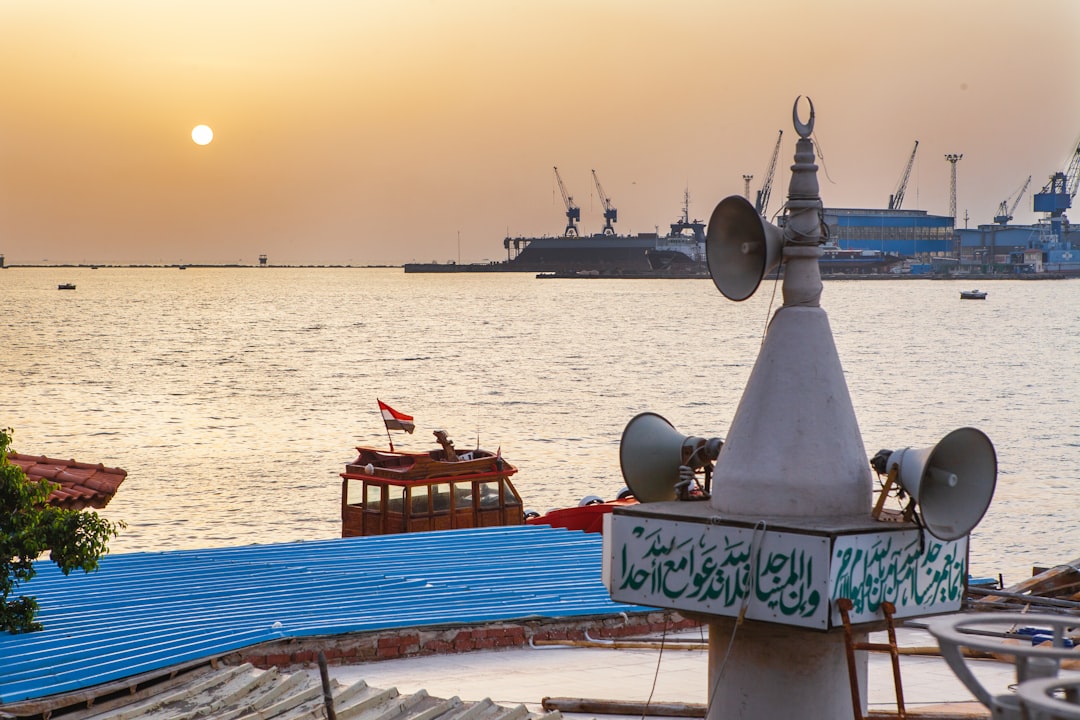
The Suez Canal, an engineering marvel completed in 1869, serves as a crucial artery for global trade, connecting the Mediterranean Sea to the Red Sea. This artificial waterway allows ships to bypass the lengthy and perilous journey around the southern tip of Africa, significantly reducing travel time and costs. The canal is not only a vital passage for oil and gas shipments but also facilitates the movement of a wide array of goods, including consumer products, machinery, and raw materials.
With approximately 12% of global trade passing through its waters, the Suez Canal stands as a testament to the interconnectedness of the modern economy. The strategic importance of the Suez Canal extends beyond mere logistics; it is a linchpin in the global supply chain. Countries around the world rely on this route to ensure timely delivery of goods, making it a focal point for international commerce.
The canal’s capacity to accommodate large vessels, known as “post-Panamax” ships, further enhances its significance in the shipping industry.
Key Takeaways
- The Suez Canal is a crucial global trade artery, and its closure significantly disrupts supply chains and increases shipping costs.
- The blockage caused widespread economic impacts, affecting international trade agreements and specific industries.
- Alternative trade routes gained importance but often resulted in longer transit times and higher expenses.
- Environmental consequences arose from the blockage, highlighting the need for sustainable trade practices.
- The incident underscored the necessity for improved resilience and strategic planning to mitigate future global trade disruptions.
The Economic Impact of the Suez Canal Closure
When the Suez Canal was blocked in March 2021 by the grounding of the Ever Given, the repercussions were felt almost immediately across the globe. The closure of this vital trade route led to significant economic ramifications, disrupting not only shipping schedules but also affecting industries reliant on timely deliveries. Estimates suggested that billions of dollars were lost each day due to the blockage, highlighting how dependent economies have become on this narrow passageway.
The incident served as a stark reminder of the fragility of global trade networks and the potential for localized disruptions to have far-reaching consequences. In addition to immediate financial losses, the closure of the Suez Canal raised concerns about long-term economic stability. Businesses faced delays in receiving essential materials and products, leading to production slowdowns and increased operational costs.
The ripple effects extended beyond shipping companies; manufacturers, retailers, and consumers all felt the strain. As companies scrambled to find alternative routes or adjust their supply chains, it became evident that reliance on a single trade route could jeopardize economic resilience. The incident prompted many stakeholders to reevaluate their logistics strategies and consider diversifying their supply chains to mitigate future risks.
Disrupted Supply Chains: Effects on Global Trade
The blockage of the Suez Canal had profound implications for supply chains worldwide. As vessels were stranded or rerouted, a cascade of delays ensued, affecting everything from raw materials to finished goods. Industries that relied heavily on just-in-time inventory systems were particularly vulnerable, as they had little room for error in their supply chains.
The disruption highlighted how interconnected global trade has become; a single incident in one location can reverberate through multiple sectors and regions. Moreover, the incident underscored the vulnerabilities inherent in global supply chains that have been optimized for efficiency rather than resilience. Many companies had prioritized cost-cutting measures and speed over flexibility, leaving them ill-prepared for unexpected disruptions.
As a result, businesses began to reassess their supply chain strategies, considering factors such as redundancy and geographic diversification. The Suez Canal blockage served as a wake-up call for many organizations, prompting them to invest in more robust systems that could withstand future shocks.
Shipping Delays and Increased Costs
The immediate aftermath of the Suez Canal blockage was characterized by significant shipping delays and escalating costs. With hundreds of vessels waiting to transit the canal, shipping schedules were thrown into disarray. This congestion led to longer lead times for deliveries, forcing companies to rethink their inventory management practices.
As delays mounted, so too did shipping rates; freight costs surged as demand for alternative routes increased. The financial burden was felt across various sectors, with many businesses passing on these costs to consumers. In addition to direct shipping costs, companies faced indirect expenses related to inventory holding and production delays.
As goods became harder to obtain, businesses were compelled to stockpile supplies in anticipation of future disruptions. This shift not only strained cash flow but also complicated logistics operations. The cumulative effect of these challenges was a significant increase in overall operational costs for many companies, further complicating their ability to navigate an already volatile market.
Implications for International Trade Agreements
| Metric | Impact if Suez Canal Closes |
|---|---|
| Global Shipping Delay | Up to 10-15 days additional transit time due to rerouting around the Cape of Good Hope |
| Increase in Shipping Costs | Estimated 20-30% rise due to longer routes and higher fuel consumption |
| Oil and Gas Supply Disruption | Potential delays in delivery of 8-10% of global oil shipments passing through the canal |
| Global Trade Volume Affected | Approximately 12% of global trade volume passes through the canal, causing significant disruption |
| Impact on Container Shipping | Delays in delivery of consumer goods, electronics, and raw materials leading to supply chain bottlenecks |
| Environmental Impact | Increased carbon emissions due to longer shipping routes |
| Insurance Premiums | Increase in marine insurance costs due to higher risk and longer voyages |
The Suez Canal blockage raised important questions about international trade agreements and their effectiveness in addressing disruptions. Many countries rely on established trade pacts that facilitate smooth commerce across borders; however, such agreements often do not account for unforeseen events like natural disasters or logistical failures. The incident highlighted the need for more flexible frameworks that can adapt to changing circumstances and provide mechanisms for rapid response.
Furthermore, the blockage prompted discussions about the importance of diversifying trade routes and partnerships. Countries that had heavily invested in trade agreements centered around specific routes or regions found themselves at a disadvantage during the crisis. As nations reassess their trade strategies, there is likely to be a push for broader agreements that encompass multiple routes and modes of transportation.
This shift could lead to a more resilient global trading system capable of withstanding future disruptions.
The Role of Alternative Trade Routes
In light of the Suez Canal blockage, alternative trade routes gained renewed attention as businesses sought ways to circumvent disruptions in maritime transport. While options such as the Cape of Good Hope exist, they come with their own set of challenges, including longer transit times and increased fuel costs. Nevertheless, companies began exploring these alternatives as they sought to maintain supply chain continuity during periods of uncertainty.
Additionally, advancements in technology and infrastructure have made some alternative routes more viable than ever before. For instance, rail networks connecting Asia and Europe have gained traction as an efficient means of transporting goods overland. These developments highlight the importance of investing in diverse transportation options that can complement traditional maritime routes.
By fostering a multi-modal approach to logistics, businesses can enhance their resilience against future disruptions while ensuring that global trade remains fluid.
Lessons Learned: Improving Resilience in Global Trade
The Suez Canal blockage served as a critical learning opportunity for businesses and governments alike regarding resilience in global trade. One key takeaway was the necessity for companies to adopt more flexible supply chain strategies that can adapt to unforeseen challenges. This may involve diversifying suppliers, investing in technology for better visibility into logistics operations, and building redundancy into supply chains to mitigate risks.
Moreover, collaboration among stakeholders emerged as a vital component in enhancing resilience. Governments, shipping companies, and businesses must work together to develop contingency plans that can be activated during crises. By sharing information and resources, stakeholders can create a more robust framework for responding to disruptions in global trade.
Ultimately, fostering a culture of adaptability and cooperation will be essential for navigating an increasingly complex international trading landscape.
The Impact on Specific Industries and Commodities
The effects of the Suez Canal blockage were not uniform across all industries; certain sectors experienced more pronounced impacts than others. For instance, industries reliant on just-in-time manufacturing—such as automotive and electronics—faced significant challenges due to delays in receiving critical components. These disruptions led to production slowdowns and even temporary shutdowns in some cases.
Perishable goods faced heightened risks due to delays in transportation, leading to concerns about spoilage and waste. As businesses navigated these challenges, they were forced to adapt quickly to changing market conditions while also considering long-term strategies for mitigating similar risks in the future.
Environmental Consequences of the Suez Canal Blockage
The environmental implications of the Suez Canal blockage were also noteworthy. While the immediate focus was on economic impacts and shipping delays, the incident raised questions about sustainability in global trade practices. Increased reliance on alternative routes often means longer travel distances and higher carbon emissions associated with shipping activities.
Moreover, the grounding of vessels poses risks to marine ecosystems due to potential oil spills or cargo contamination. As awareness grows regarding environmental sustainability, stakeholders are increasingly called upon to consider greener alternatives in their logistics operations. This incident may serve as a catalyst for discussions around reducing carbon footprints within global supply chains while promoting environmentally responsible practices.
Political and Geopolitical Ramifications
The Suez Canal blockage also had political and geopolitical ramifications that extended beyond economic considerations. The incident highlighted vulnerabilities within global trade networks that could be exploited by geopolitical tensions or conflicts. Countries reliant on this critical route may find themselves reassessing their strategic alliances and dependencies on specific trade partners.
Furthermore, discussions surrounding maritime security gained prominence as nations recognized the need for safeguarding vital trade routes from potential disruptions caused by geopolitical events or natural disasters. Collaborative efforts among nations may become increasingly important in ensuring that critical infrastructure remains secure and operational amid rising tensions on the global stage.
Looking Ahead: Strategies for Mitigating Future Trade Disruptions
As stakeholders reflect on the lessons learned from the Suez Canal blockage, it becomes clear that proactive strategies are essential for mitigating future trade disruptions. Companies must prioritize building resilient supply chains that can withstand unexpected challenges while also investing in technology that enhances visibility and responsiveness. Additionally, fostering collaboration among governments, businesses, and industry organizations will be crucial in developing comprehensive contingency plans that address potential risks associated with global trade.
By embracing innovation and adaptability within logistics operations, stakeholders can create a more resilient framework capable of navigating an increasingly complex international trading environment. In conclusion, while the Suez Canal remains a vital trade route with significant economic implications, recent events have underscored the need for resilience within global supply chains. By learning from past disruptions and implementing proactive strategies moving forward, stakeholders can better prepare for future challenges while ensuring that international trade continues to thrive amidst uncertainty.
The potential closure of the Suez Canal could have significant implications for global trade, as it serves as a critical artery for maritime shipping. For a deeper understanding of the potential impacts and scenarios that could unfold if the canal were to close, you can read more in this related article: What Happens If the Suez Canal Closes?. This article explores the economic ramifications and alternative routes that shipping companies might consider in such a situation.
FAQs
What is the Suez Canal?
The Suez Canal is a man-made waterway in Egypt that connects the Mediterranean Sea to the Red Sea, allowing ships to travel between Europe and Asia without navigating around Africa.
Why is the Suez Canal important for global trade?
The Suez Canal is a critical maritime route that facilitates about 12% of global trade, significantly reducing shipping time and costs between Europe, Asia, and the Middle East.
What happens if the Suez Canal closes?
If the Suez Canal closes, ships must take the longer route around the Cape of Good Hope at the southern tip of Africa, increasing travel time, fuel consumption, and shipping costs.
How does a closure of the Suez Canal affect global supply chains?
A closure can cause delays in the delivery of goods, disrupt supply chains, increase shipping costs, and lead to shortages or price increases for certain products worldwide.
What types of goods are most affected by a Suez Canal closure?
Goods such as oil, natural gas, consumer electronics, clothing, and perishable items are particularly affected due to their reliance on timely shipping through the canal.
How long can a Suez Canal closure last?
The duration varies depending on the cause; closures can last from a few hours to several weeks, as seen in past incidents like the 2021 blockage by the Ever Given container ship.
What measures are taken to prevent or manage Suez Canal closures?
The Suez Canal Authority implements strict navigation rules, uses tugboats and pilots to assist ships, and maintains the canal infrastructure to minimize risks of blockage or closure.
Are there alternative routes to the Suez Canal?
Yes, the primary alternative is the longer route around the Cape of Good Hope in Africa. Some goods may also be transported via air or rail, but these options are generally more expensive or less efficient.
How does a Suez Canal closure impact oil prices?
Since a significant portion of global oil shipments pass through the canal, a closure can reduce supply availability temporarily, often leading to increased oil prices on the global market.
Can the Suez Canal be expanded or improved to reduce closure risks?
Yes, the canal has undergone expansions and improvements, such as widening and deepening, to accommodate larger ships and reduce the risk of blockages, but risks cannot be entirely eliminated.