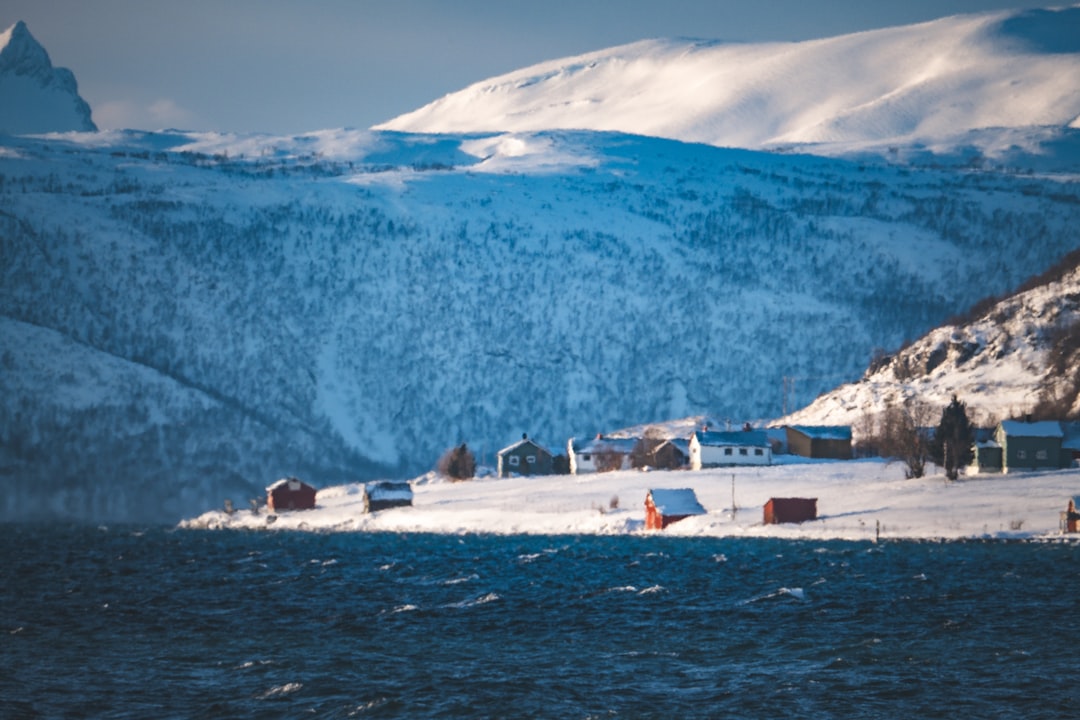
The Arctic region has become increasingly significant in global geopolitics and economics due to expanding shipping opportunities. Climate change-induced ice reduction has made Arctic waters more navigable, creating new maritime routes that reduce transit times between Europe, Asia, and North America. The Northern Sea Route along Russia’s coast and the Northwest Passage through Canadian Arctic waters represent the primary shipping corridors under consideration.
International sanctions affecting Arctic shipping routes have been implemented primarily in response to geopolitical conflicts, with restrictions targeting specific nations’ access to these waterways. These measures typically involve limitations on vessel registration, port access, insurance coverage, and technology transfers for Arctic navigation equipment. Environmental protection concerns also drive regulatory frameworks, as the Arctic ecosystem remains particularly vulnerable to shipping-related pollution and disturbances.
The economic impact of Arctic route sanctions affects multiple stakeholders. Shipping companies face altered route planning and increased operational costs when traditional Arctic passages become restricted. Global supply chains experience disruptions as alternative routes through the Suez Canal or Panama Canal require additional transit time and fuel consumption.
Energy companies operating in Arctic regions encounter limitations on equipment procurement and technical expertise access, affecting extraction and transportation operations. These sanctions influence international maritime law development and bilateral relationships between Arctic nations including Russia, Canada, Norway, Denmark, and the United States. The measures also impact environmental monitoring capabilities and international cooperation on Arctic research initiatives, affecting long-term sustainability planning for the region’s commercial development.
Key Takeaways
- Arctic route sanctions significantly disrupt traditional shipping lanes, affecting global trade flows.
- Economic consequences include increased costs and delays for international trade reliant on Arctic passages.
- Environmental concerns arise from altered shipping patterns and potential ecological damage in sensitive Arctic regions.
- Political tensions escalate as countries navigate the sanctions’ implications and assert territorial interests.
- International cooperation and diplomatic efforts are crucial to address legal challenges and develop sustainable solutions.
Impact on Shipping Lanes
The imposition of sanctions on Arctic routes has led to significant changes in shipping lanes, affecting both commercial shipping and maritime navigation. Traditionally, shipping companies relied on established routes that were deemed safe and efficient. However, with the introduction of sanctions, many vessels have been forced to reroute or even halt operations altogether.
This shift not only increases transit times but also raises operational costs for shipping companies that must navigate around restricted areas. Moreover, the sanctions have prompted a reevaluation of risk management strategies within the shipping industry. Companies are now more cautious about entering Arctic waters, given the potential for legal repercussions and financial penalties associated with non-compliance.
This heightened caution can lead to delays in the delivery of goods, impacting supply chains worldwide. As a result, businesses are compelled to explore alternative shipping methods or routes, which may not only be longer but also less economically viable.
Economic Consequences for International Trade
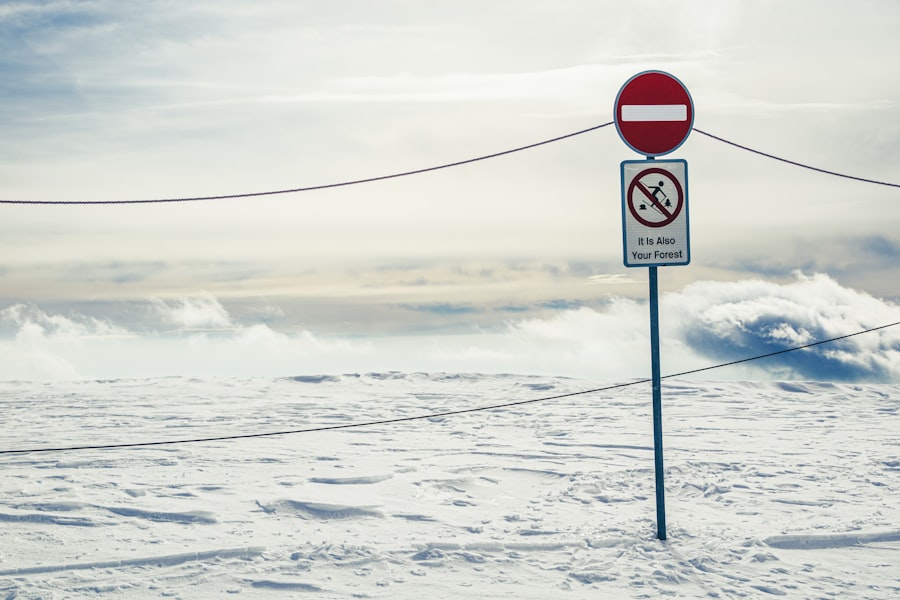
The economic ramifications of Arctic route sanctions are profound and multifaceted. For countries that rely heavily on trade through these routes, the sanctions can lead to significant disruptions in their economies. Nations that have invested in infrastructure and logistics to facilitate Arctic shipping may find their efforts undermined by these restrictions.
The cost of goods may rise as shipping delays become more common, leading to inflationary pressures in affected markets. Additionally, the sanctions can create a ripple effect throughout global supply chains. Industries that depend on timely deliveries—such as manufacturing, retail, and energy—may experience increased costs and reduced efficiency.
The uncertainty surrounding Arctic route access can deter investment in the region, stifling economic growth and innovation. As businesses grapple with these challenges, they may seek to diversify their supply chains or invest in alternative transportation methods, further complicating the landscape of international trade.
Environmental Concerns
The environmental implications of increased shipping activity in the Arctic are a critical aspect of the discussion surrounding route sanctions. The Arctic is home to delicate ecosystems that are already under threat from climate change and human activity. The introduction of more vessels into these waters raises concerns about oil spills, marine pollution, and disturbances to wildlife habitats.
Sanctions aimed at regulating shipping activities are often justified by the need to protect this fragile environment. However, critics argue that sanctions alone may not be sufficient to address the environmental challenges posed by increased shipping traffic. While they may limit certain activities, they do not necessarily prevent all forms of environmental degradation.
The potential for illegal or unregulated shipping operations may increase as companies seek to circumvent restrictions. This underscores the need for comprehensive environmental policies that go beyond sanctions to ensure the long-term protection of Arctic ecosystems.
Political Implications
| Metric | Pre-Sanctions (2022) | Post-Sanctions (2023) | Change (%) | Notes |
|---|---|---|---|---|
| Number of Vessels Using Arctic Route | 150 | 90 | -40% | Significant reduction due to sanctions and increased insurance costs |
| Average Transit Time (Days) | 10 | 14 | +40% | Longer routes taken to avoid sanctioned areas |
| Shipping Volume (Million Tons) | 12 | 7 | -41.7% | Decrease in cargo due to rerouting and sanctions |
| Insurance Premium Increase (%) | 15% | 45% | +200% | Higher risk premiums for Arctic route post-sanctions |
| Fuel Consumption (Metric Tons) | 5000 | 6500 | +30% | Longer routes and slower speeds increase fuel use |
| Incidents of Delays (Number) | 5 | 12 | +140% | Sanctions and rerouting cause more frequent delays |
The political landscape surrounding Arctic route sanctions is complex and often contentious. Nations with vested interests in the region—such as Russia, Canada, and the United States—are engaged in a delicate balancing act between asserting their territorial claims and adhering to international norms. Sanctions can serve as a tool for countries to exert pressure on one another, but they can also exacerbate tensions and lead to retaliatory measures.
Furthermore, the geopolitical significance of the Arctic is growing as nations recognize its potential for resource extraction and strategic military positioning. The imposition of sanctions can be seen as a means of asserting dominance or protecting national interests. As countries navigate this intricate web of political relationships, the future of Arctic governance remains uncertain, with potential implications for global stability.
Alternative Routes and Solutions
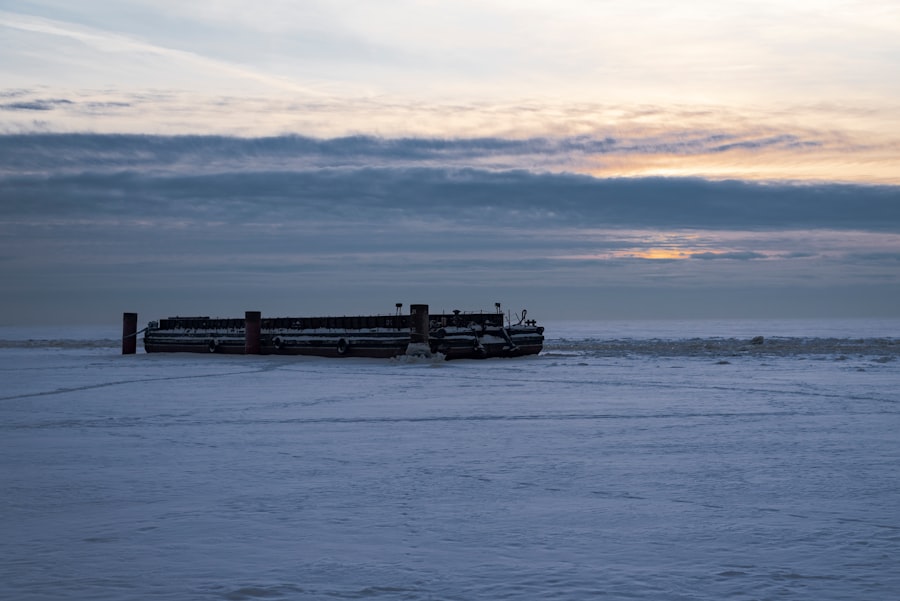
In light of the challenges posed by Arctic route sanctions, stakeholders are increasingly exploring alternative shipping routes and solutions. The Northern Sea Route and the Northwest Passage have garnered attention as potential alternatives that could bypass sanctioned areas. However, these routes come with their own set of challenges, including navigational hazards and limited infrastructure.
Investments in technology and infrastructure could play a crucial role in developing safer and more efficient alternative routes. Innovations such as icebreaker vessels and advanced navigation systems may enhance the viability of these pathways while minimizing environmental risks. Additionally, fostering international cooperation among Arctic nations could lead to collaborative efforts aimed at ensuring safe navigation while protecting the environment.
Response from Arctic Route Stakeholders
The response from stakeholders involved in Arctic route shipping has been varied and multifaceted. Shipping companies have had to adapt quickly to changing regulations and market conditions, often investing in compliance measures to avoid penalties associated with sanctions. Some companies have chosen to diversify their operations by exploring new markets or investing in alternative transportation methods.
Environmental organizations have also been vocal in their response to Arctic route sanctions. Many advocate for stricter regulations that prioritize environmental protection over economic interests. They argue that without robust enforcement mechanisms, sanctions may not effectively safeguard fragile ecosystems from the impacts of increased shipping activity.
This ongoing dialogue between stakeholders highlights the need for a balanced approach that considers both economic viability and environmental sustainability.
Legal and Regulatory Challenges
The legal landscape surrounding Arctic route sanctions is fraught with complexities and challenges.
The lack of a comprehensive legal framework specifically addressing Arctic shipping exacerbates these challenges.
Furthermore, companies operating in the region must navigate a patchwork of national regulations that can vary significantly from one country to another. This regulatory uncertainty can create barriers to entry for new players in the market while complicating compliance efforts for established companies. As stakeholders seek clarity on legal obligations, there is a pressing need for international dialogue aimed at harmonizing regulations and establishing clear guidelines for Arctic navigation.
Potential Long-Term Effects
The long-term effects of Arctic route sanctions are likely to shape the future of international trade and environmental policy for years to come. If current trends continue, nations may increasingly turn to unilateral measures as a means of asserting control over Arctic resources and shipping lanes. This could lead to further fragmentation of international cooperation in the region, undermining efforts to address shared challenges such as climate change and environmental degradation.
Conversely, there is potential for positive outcomes if stakeholders prioritize collaboration over competition. By working together to establish sustainable practices and regulatory frameworks, nations can create a more stable environment for Arctic shipping while safeguarding its unique ecosystems. The choices made today will have lasting implications for future generations navigating this rapidly changing landscape.
International Cooperation and Diplomacy
International cooperation will be essential in addressing the challenges posed by Arctic route sanctions and ensuring sustainable development in the region. Diplomatic efforts aimed at fostering dialogue among Arctic nations can help build trust and facilitate collaborative approaches to governance. Initiatives such as joint research projects and information-sharing agreements can enhance understanding of environmental impacts while promoting responsible shipping practices.
Moreover, engaging indigenous communities in decision-making processes is crucial for achieving equitable outcomes in Arctic governance. Their traditional knowledge and perspectives can provide valuable insights into sustainable practices that respect both cultural heritage and environmental integrity. By prioritizing inclusivity in diplomatic efforts, stakeholders can work towards solutions that benefit all parties involved while protecting the Arctic’s unique ecosystems.
Conclusion and Future Outlook
In conclusion, Arctic route sanctions represent a complex interplay of economic interests, environmental concerns, political dynamics, and legal challenges. As nations navigate this evolving landscape, it is imperative that they prioritize collaboration over competition to ensure sustainable development in the region. The future of Arctic shipping will depend on stakeholders’ ability to balance economic viability with environmental stewardship while fostering international cooperation.
Looking ahead, there is hope for a more harmonious approach to Arctic governance that recognizes the interconnectedness of global trade and environmental protection. By embracing innovative solutions and engaging diverse perspectives, stakeholders can work towards a future where the Arctic remains a vital resource for generations to come—one that is navigated responsibly and sustainably amidst an ever-changing geopolitical landscape.
The impact of sanctions on Arctic shipping routes has become a critical topic as global trade dynamics shift. A related article that delves into the implications of these sanctions on shipping lanes can be found at My Geo Quest. This resource provides valuable insights into how geopolitical tensions are reshaping maritime navigation in the Arctic region, highlighting both challenges and opportunities for shipping companies.
FAQs
What are the Arctic route sanctions?
Arctic route sanctions refer to economic and trade restrictions imposed by countries or international bodies targeting activities in the Arctic region. These sanctions often aim to limit certain types of shipping, resource extraction, or other commercial operations in the Arctic due to geopolitical tensions or environmental concerns.
How do sanctions impact shipping lanes in the Arctic?
Sanctions can restrict the use of specific shipping lanes by limiting access to ports, vessels, or companies involved in Arctic shipping. They may also increase operational costs, cause rerouting of ships, and reduce the overall volume of maritime traffic through sanctioned areas.
Why is the Arctic route important for global shipping?
The Arctic route offers a shorter passage between Europe, Asia, and North America compared to traditional routes like the Suez or Panama Canals. This can reduce transit times, fuel consumption, and shipping costs, making it strategically significant for global trade.
Which countries are primarily involved in Arctic shipping?
Countries with Arctic coastlines such as Russia, Canada, Norway, Denmark (via Greenland), and the United States are primarily involved. Russia, in particular, plays a major role due to its extensive Northern Sea Route along its Arctic coast.
What are the environmental concerns related to Arctic shipping?
Increased shipping in the Arctic raises concerns about oil spills, disruption to marine ecosystems, emissions of black carbon accelerating ice melt, and disturbances to indigenous communities and wildlife.
How do sanctions affect the economic viability of Arctic shipping?
Sanctions can increase costs by limiting access to insurance, financing, and necessary equipment. They may also deter investment and reduce the number of operators willing to navigate Arctic routes, impacting the economic feasibility of shipping through these lanes.
Are there any international regulations governing Arctic shipping?
Yes, the International Maritime Organization (IMO) has established the Polar Code, which sets safety and environmental standards for ships operating in polar waters, including the Arctic. Additionally, Arctic Council member states collaborate on regional governance and environmental protection.
Can sanctions lead to changes in global shipping patterns?
Yes, sanctions can cause shipping companies to avoid certain routes or ports, leading to shifts in global maritime traffic. This may result in longer transit times and increased costs as vessels reroute to bypass sanctioned areas.
What is the future outlook for Arctic shipping amid sanctions?
The future of Arctic shipping depends on geopolitical developments, climate change effects on ice coverage, and international cooperation. While sanctions may limit some activities, ongoing interest in the Arctic’s strategic and economic potential suggests continued attention to this region.