
The Arctic region has become a center of global shipping and geopolitical competition due to climate change and receding polar ice. As northern sea routes become increasingly navigable, the requirement for effective defense systems to secure these critical maritime corridors has grown significantly. Arctic shipping defense incorporates various technologies and approaches designed to protect vessels operating in these challenging waters.
Electronic warfare systems have become particularly important, providing effective capabilities to address security challenges in this remote polar environment. The Arctic holds substantial strategic value in international relations. As countries compete for access to emerging shipping routes and abundant natural resources, security tensions have escalated.
Consequently, the implementation of sophisticated defense technologies, especially electronic warfare systems, has become necessary for regional security. These technologies enhance monitoring capabilities and provide essential tools for deterrence and operational response in an area characterized by extreme environmental conditions and limited supporting infrastructure.
Key Takeaways
- Electronic warfare systems are crucial for safeguarding shipping routes in the challenging Arctic environment.
- Operating these systems in the Arctic faces unique challenges such as extreme weather and limited infrastructure.
- Various types of electronic warfare technologies are employed to detect, disrupt, and defend against threats in Arctic shipping.
- Integration with other defense mechanisms enhances the overall security and effectiveness of Arctic shipping protection.
- International cooperation and environmental considerations are key factors shaping the future development of electronic warfare in the Arctic.
Importance of Electronic Warfare Systems in the Arctic
Electronic warfare systems play a pivotal role in Arctic shipping defense by providing the means to detect, disrupt, and neutralize threats that may arise from hostile entities. In an era where information dominance is crucial, these systems enable operators to gain an upper hand in both offensive and defensive operations. The Arctic’s unique challenges, including extreme weather conditions and vast expanses of uncharted territory, make electronic warfare capabilities indispensable for ensuring the safety of maritime operations.
Moreover, the integration of electronic warfare systems into Arctic defense strategies allows for enhanced communication and coordination among allied forces. By leveraging advanced technologies such as radar jamming, signal intelligence, and cyber capabilities, nations can create a comprehensive defense network that not only protects shipping routes but also deters potential aggressors. This interconnected approach is vital in a region where traditional military assets may be limited due to logistical constraints.
Challenges of Operating Electronic Warfare Systems in the Arctic

Operating electronic warfare systems in the Arctic presents a unique set of challenges that must be addressed to ensure their effectiveness. The extreme environmental conditions, including frigid temperatures, ice cover, and unpredictable weather patterns, can significantly impact the performance of electronic systems. For instance, the cold can affect battery life and the functionality of sensitive equipment, while ice can obstruct line-of-sight communications essential for effective electronic warfare operations.
Additionally, the vastness of the Arctic poses logistical challenges for deploying and maintaining these systems. The remoteness of the region often means that support infrastructure is limited, making it difficult to conduct repairs or resupply operations. Furthermore, the dynamic nature of Arctic navigation requires that electronic warfare systems be adaptable and capable of operating in conjunction with other defense mechanisms to respond to evolving threats effectively.
Types of Electronic Warfare Systems used in Arctic Shipping Defense
A variety of electronic warfare systems are employed in Arctic shipping defense, each designed to address specific threats and operational requirements. One prominent type is radar jamming systems, which can disrupt enemy radar signals, rendering them ineffective in tracking vessels or detecting military assets. These systems are crucial for maintaining the element of surprise and ensuring safe passage through contested waters.
Another important category includes signal intelligence (SIGINT) systems that monitor communications and electronic emissions from potential adversaries. By gathering intelligence on enemy movements and intentions, these systems provide valuable situational awareness that can inform strategic decision-making. Additionally, cyber warfare capabilities are increasingly integrated into electronic warfare frameworks, allowing for offensive operations against adversary networks while simultaneously protecting friendly communications from cyber threats.
Role of Electronic Warfare Systems in protecting Arctic shipping routes
| Metric | Description | Value/Specification | Unit |
|---|---|---|---|
| System Range | Maximum effective range of electronic warfare defense systems in Arctic conditions | 50 | km |
| Operating Temperature | Temperature range in which the system operates reliably | -50 to 10 | °C |
| Jamming Bandwidth | Frequency range over which the system can jam hostile signals | 2-18 | GHz |
| Power Consumption | Average power usage during active defense mode | 1500 | Watts |
| Detection Accuracy | Probability of correctly identifying hostile electronic signals | 95 | % |
| System Weight | Total weight of the electronic warfare defense system | 1200 | kg |
| Deployment Time | Time required to activate and deploy the system on Arctic vessels | 15 | minutes |
| Signal Processing Speed | Time taken to analyze and respond to electronic threats | 0.5 | seconds |
The role of electronic warfare systems in protecting Arctic shipping routes extends beyond mere defense; they are integral to ensuring the safe and efficient movement of goods through this increasingly vital corridor. By providing real-time intelligence and situational awareness, these systems enable maritime operators to navigate potential threats effectively. This capability is particularly important as commercial interests expand in the region, necessitating a reliable framework for securing shipping lanes.
Furthermore, electronic warfare systems contribute to deterrence by signaling to potential aggressors that hostile actions will be met with sophisticated countermeasures. The presence of advanced electronic warfare capabilities can dissuade adversaries from engaging in disruptive activities, thereby fostering a more stable maritime environment. In this way, these systems not only protect individual vessels but also contribute to the overall security of international shipping interests in the Arctic.
Advantages of Electronic Warfare Systems in the Arctic
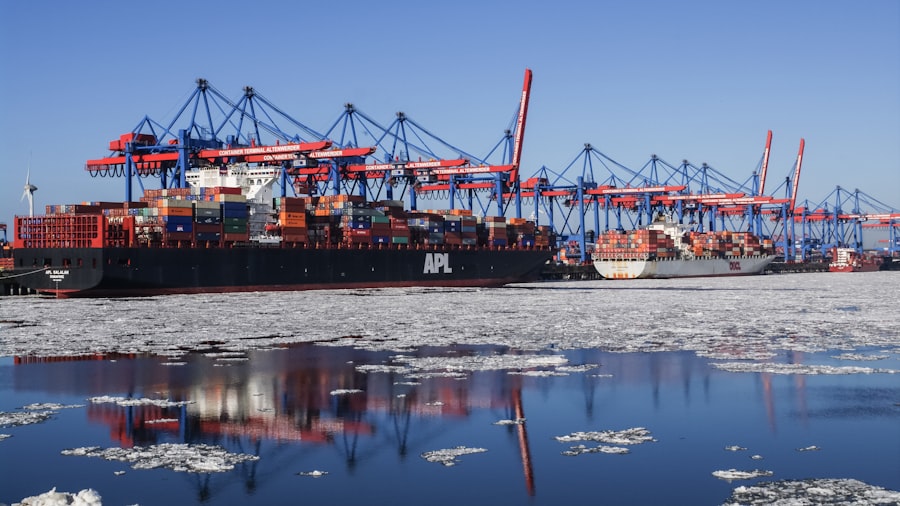
The advantages of electronic warfare systems in the Arctic are manifold. First and foremost, they provide a cost-effective means of enhancing maritime security without necessitating a large physical military presence. Given the logistical challenges associated with deploying traditional naval assets in the Arctic, electronic warfare capabilities offer a strategic alternative that can be rapidly deployed and adapted to changing circumstances.
Additionally, these systems facilitate improved coordination among allied nations operating in the region. By sharing intelligence gathered through electronic warfare operations, countries can create a unified front against potential threats while also fostering collaboration on broader security initiatives. This cooperative approach is essential in an area where multiple nations have vested interests and where tensions can easily escalate.
Integration of Electronic Warfare Systems with other defense mechanisms
The integration of electronic warfare systems with other defense mechanisms is crucial for creating a comprehensive security framework in the Arctic. This multi-layered approach ensures that various capabilities work in concert to address a wide range of threats effectively. For instance, combining electronic warfare with traditional naval assets such as surface ships and submarines enhances overall situational awareness and response capabilities.
Moreover, integrating air support into this framework allows for rapid reconnaissance and strike options that complement electronic warfare operations. Drones equipped with electronic warfare capabilities can provide real-time intelligence while also executing jamming missions against enemy communications or radar systems.
Future developments in Electronic Warfare Systems for Arctic shipping defense
As technological advancements continue to evolve, future developments in electronic warfare systems for Arctic shipping defense are likely to focus on enhancing adaptability and resilience. Innovations such as artificial intelligence (AI) and machine learning could play a significant role in automating threat detection and response processes, allowing operators to react more swiftly to emerging challenges. These technologies could also improve data analysis capabilities, enabling more informed decision-making based on real-time information.
Furthermore, advancements in miniaturization and mobility may lead to the development of portable electronic warfare systems that can be deployed quickly in response to specific threats. Such flexibility would be invaluable in the Arctic’s dynamic environment, where conditions can change rapidly. As nations continue to invest in their Arctic capabilities, it is expected that electronic warfare systems will become increasingly sophisticated and integral to overall defense strategies.
International cooperation in the development and deployment of Electronic Warfare Systems in the Arctic
International cooperation is essential for the effective development and deployment of electronic warfare systems in the Arctic. Given the shared interests among nations regarding maritime security and environmental protection, collaborative efforts can lead to more robust defense frameworks that benefit all parties involved. Joint exercises and information-sharing initiatives can enhance interoperability among allied forces while also fostering trust among nations operating in this sensitive region.
Moreover, partnerships between governments and private industry can accelerate innovation in electronic warfare technologies tailored specifically for Arctic conditions. By pooling resources and expertise, countries can develop cutting-edge solutions that address unique challenges while also ensuring that their respective national interests are safeguarded. This collaborative approach not only strengthens individual nations’ capabilities but also contributes to regional stability.
Environmental considerations in the use of Electronic Warfare Systems in the Arctic
The use of electronic warfare systems in the Arctic must be approached with careful consideration of environmental impacts. The region is home to fragile ecosystems that could be adversely affected by military activities, including electromagnetic emissions from electronic warfare operations. As such, it is imperative that nations prioritize environmental stewardship when developing and deploying these systems.
Efforts should be made to minimize any potential ecological footprint associated with electronic warfare operations. This includes conducting thorough environmental assessments before deploying new technologies and ensuring compliance with international regulations aimed at protecting Arctic habitats. By balancing security needs with environmental considerations, nations can work towards sustainable practices that preserve the integrity of this unique region while still addressing security concerns.
The future of Electronic Warfare Systems in Arctic shipping defense
In conclusion, electronic warfare systems are poised to play an increasingly vital role in Arctic shipping defense as geopolitical dynamics evolve and maritime activities expand. Their ability to provide real-time intelligence, disrupt adversary operations, and enhance coordination among allied forces makes them indispensable tools for safeguarding vital shipping routes. However, challenges remain regarding their operation in extreme conditions and the need for international cooperation to ensure effective deployment.
Looking ahead, advancements in technology will likely drive further innovations in electronic warfare capabilities tailored specifically for the Arctic environment. As nations navigate the complexities of securing their interests while respecting environmental considerations, a balanced approach will be essential for fostering stability in this critical region. Ultimately, the future of electronic warfare systems will depend on their ability to adapt to changing circumstances while remaining committed to protecting both maritime security and ecological integrity in the Arctic.
As the Arctic shipping routes become increasingly vital for global trade, the need for robust electronic warfare defense systems is paramount. A related article that delves into the implications of these advancements in maritime security can be found at this link. This article explores the challenges and strategies associated with protecting shipping lanes in the Arctic against potential electronic threats.
FAQs
What are Arctic shipping electronic warfare defense systems?
Arctic shipping electronic warfare defense systems are specialized technologies designed to protect vessels operating in the Arctic region from electronic threats such as jamming, spoofing, and cyber-attacks. These systems help ensure safe navigation and communication in the challenging and remote Arctic environment.
Why is electronic warfare defense important for Arctic shipping?
Electronic warfare defense is crucial for Arctic shipping because the region’s harsh conditions and limited infrastructure make vessels more vulnerable to electronic interference. Protecting navigation and communication systems from electronic attacks helps prevent accidents, ensures operational security, and maintains reliable maritime operations.
What types of electronic threats do Arctic shipping vessels face?
Arctic shipping vessels may face threats including GPS spoofing and jamming, radar interference, cyber-attacks on onboard systems, and communication disruptions. These threats can compromise navigation accuracy, situational awareness, and vessel control.
How do electronic warfare defense systems protect Arctic vessels?
These systems use a combination of signal detection, electronic countermeasures, encryption, and cyber defense protocols to detect and mitigate electronic threats. They can identify malicious signals, block or neutralize interference, and secure communication channels to maintain operational integrity.
Are there specific challenges in implementing electronic warfare defense in the Arctic?
Yes, the Arctic’s extreme weather, magnetic anomalies, and limited satellite coverage pose challenges for electronic warfare defense. Systems must be robust, reliable in cold temperatures, and capable of operating with limited external support.
Who develops and deploys these defense systems for Arctic shipping?
Defense contractors, maritime technology companies, and government agencies specializing in Arctic operations collaborate to develop and deploy electronic warfare defense systems tailored for Arctic shipping needs.
Can electronic warfare defense systems be integrated with existing ship navigation and communication equipment?
Yes, modern electronic warfare defense systems are designed to integrate seamlessly with existing navigation, radar, and communication equipment to provide comprehensive protection without disrupting normal vessel operations.
What role does international regulation play in Arctic electronic warfare defense?
International maritime regulations and agreements guide the use of electronic warfare technologies to ensure safe and lawful operations. Cooperation among Arctic nations is essential to manage electronic spectrum use and prevent conflicts.
How is the effectiveness of Arctic shipping electronic warfare defense systems tested?
Effectiveness is tested through simulations, field trials in Arctic conditions, and continuous monitoring during actual voyages. These tests assess the system’s ability to detect and counteract electronic threats in real-world scenarios.
What future developments are expected in Arctic shipping electronic warfare defense?
Future developments may include enhanced AI-driven threat detection, improved integration with autonomous vessels, expanded satellite coverage, and more resilient cyber defense measures to address evolving electronic threats in the Arctic.