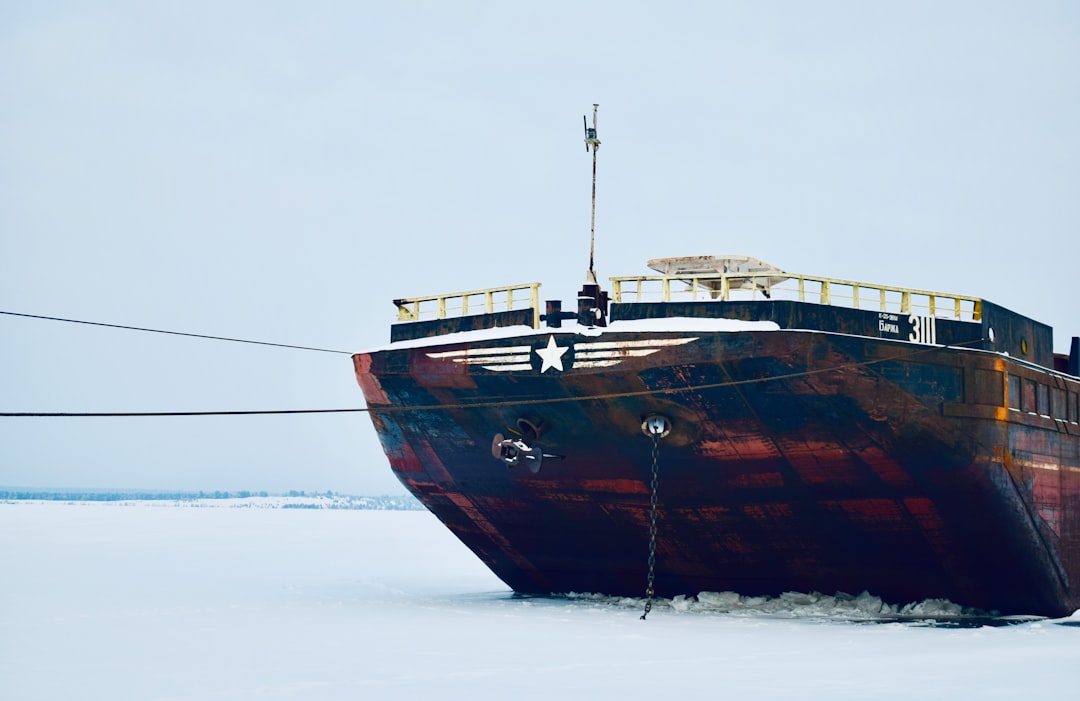
Navigating the frigid waters of the Arctic presents a unique set of challenges and opportunities for maritime operations. The Arctic region, characterized by its icy landscapes and extreme weather conditions, has become increasingly significant in global shipping routes due to climate change and the melting of polar ice. As shipping companies seek to capitalize on shorter transit times and reduced fuel costs, understanding the complexities of Arctic navigation is paramount.
The harsh environment not only tests the resilience of vessels but also demands a comprehensive approach to safety, efficiency, and environmental stewardship. The Arctic’s remote location and unpredictable weather patterns necessitate a thorough understanding of the risks involved in maritime operations. Ice formations, shifting weather conditions, and the potential for severe storms can create hazardous situations for even the most well-equipped vessels.
As such, navigating these waters requires not only advanced technology and skilled personnel but also a deep awareness of the physical stresses that cold weather imposes on ship hulls. This article will explore the multifaceted aspects of hull stress in cold weather, emphasizing its implications for ship performance and safety.
Key Takeaways
- Cold weather significantly increases hull stress, impacting ship performance and safety in Arctic waters.
- Proper maintenance, regular inspections, and specialized design are crucial for vessels operating in icy conditions.
- Advanced technology plays a key role in monitoring hull stress to prevent structural damage.
- Understanding environmental and operational factors helps in developing strategies to minimize hull stress.
- Compliance with regulatory standards ensures safe and efficient navigation in Arctic maritime environments.
The Effects of Cold Weather on Hull Stress
Cold weather exerts significant stress on ship hulls, which can lead to structural integrity issues if not properly managed. The extreme temperatures experienced in Arctic waters can cause materials to become brittle, increasing the likelihood of cracks and fractures in the hull. Additionally, ice accumulation on the vessel can add considerable weight and alter the ship’s center of gravity, further exacerbating stress on the hull.
Moreover, the interaction between ice and hulls can create dynamic forces that contribute to hull stress. As ships navigate through ice-laden waters, they may encounter varying thicknesses and densities of ice, which can lead to sudden impacts that place immense pressure on the hull structure.
Understanding these effects is crucial for ship operators to ensure safe passage through these treacherous waters.
Understanding Hull Stress and its Impact on Ship Performance
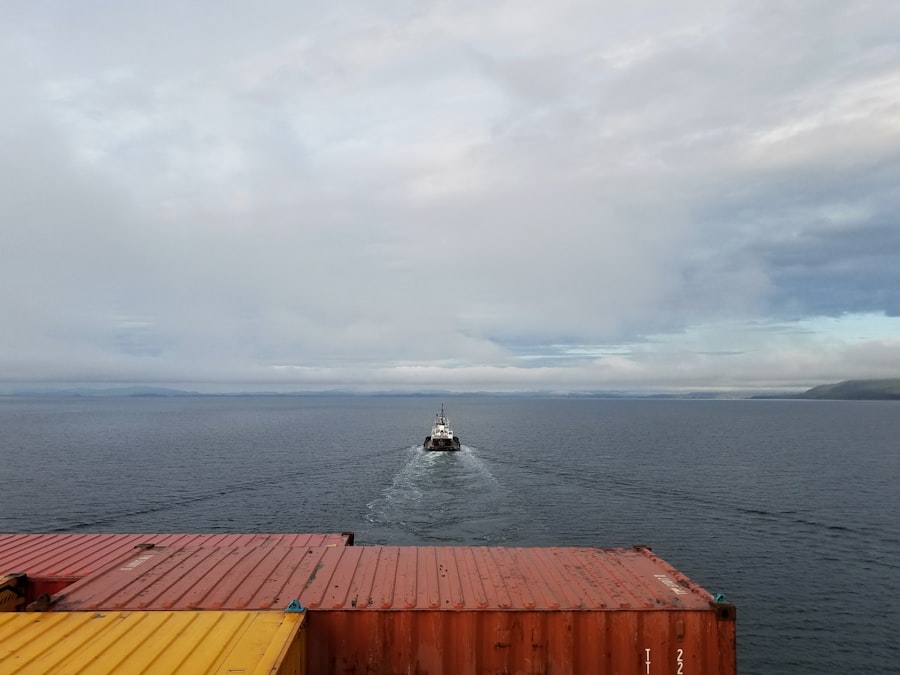
Hull stress refers to the internal forces experienced by a ship’s structure as it navigates through various environmental conditions. In cold weather, these stresses can be exacerbated by factors such as ice interaction, temperature fluctuations, and the weight of accumulated snow or ice on the vessel. High levels of hull stress can lead to fatigue over time, potentially resulting in catastrophic failures if not addressed.
Therefore, understanding hull stress is essential for maintaining optimal ship performance and ensuring safety during Arctic navigation. The impact of hull stress extends beyond structural integrity; it also affects a vessel’s operational efficiency. Increased stress can lead to reduced speed and maneuverability, as well as higher fuel consumption due to the additional power required to maintain course in challenging conditions.
Furthermore, excessive hull stress can necessitate more frequent repairs and maintenance, leading to increased operational costs and potential delays in shipping schedules. Thus, a comprehensive understanding of hull stress is vital for ship operators aiming to navigate Arctic waters safely and efficiently.
Factors Affecting Hull Stress in Cold Weather
Several factors contribute to hull stress in cold weather conditions, each playing a critical role in determining how a vessel performs in Arctic waters. One primary factor is the temperature itself; as temperatures drop, materials used in ship construction can become less ductile and more prone to cracking under stress. This change in material properties can significantly affect the overall resilience of the hull, making it imperative for operators to consider the specific materials used in their vessels.
Another significant factor is ice interaction. The presence of ice can create unpredictable forces on a ship’s hull, particularly during icebreaking operations or when navigating through dense pack ice. The thickness and density of ice can vary widely, leading to sudden impacts that may exceed the design limits of a vessel not specifically built for such conditions.
Additionally, environmental factors such as wave height and wind speed can further complicate navigation, adding layers of stress that must be accounted for in operational planning.
Importance of Proper Maintenance and Inspection in Cold Weather
| Parameter | Value/Range | Unit | Notes |
|---|---|---|---|
| Hull Material Yield Strength | 350 – 450 | MPa | Depends on steel grade used for Arctic conditions |
| Operating Temperature Range | -50 to 0 | °C | Typical Arctic ambient temperatures affecting hull stress |
| Thermal Contraction Coefficient | 12 – 15 | µm/m·°C | Steel contraction per degree Celsius drop |
| Ice Impact Force | 500 – 1500 | kN | Force exerted by ice floes on hull during navigation |
| Hull Thickness | 20 – 40 | mm | Thickness of ice-strengthened hull plating |
| Stress Concentration Factor (SCF) | 1.2 – 1.5 | Dimensionless | Increase in stress due to hull geometry and cold weather embrittlement |
| Fatigue Life Reduction | 30 – 50 | % | Reduction in fatigue life due to cold temperature embrittlement |
| Hull Deflection under Ice Load | 5 – 15 | mm | Typical deflection range during ice impact events |
Proper maintenance and inspection are critical components of ensuring vessel safety and performance in cold weather conditions. Regular inspections allow operators to identify potential issues related to hull stress before they escalate into more significant problems. In Arctic environments, where conditions can change rapidly, proactive maintenance becomes even more essential.
This includes checking for signs of wear or damage caused by ice interaction or temperature fluctuations. Furthermore, maintenance practices should be tailored to address the unique challenges posed by cold weather. For instance, operators may need to implement specialized coatings or treatments to protect against corrosion caused by saltwater and ice exposure.
Additionally, ensuring that all systems are functioning optimally—such as propulsion systems and ballast controls—can help mitigate the effects of hull stress during navigation. By prioritizing maintenance and inspection, operators can enhance their vessels’ resilience against the harsh conditions of Arctic waters.
Design Considerations for Ships Navigating Arctic Waters
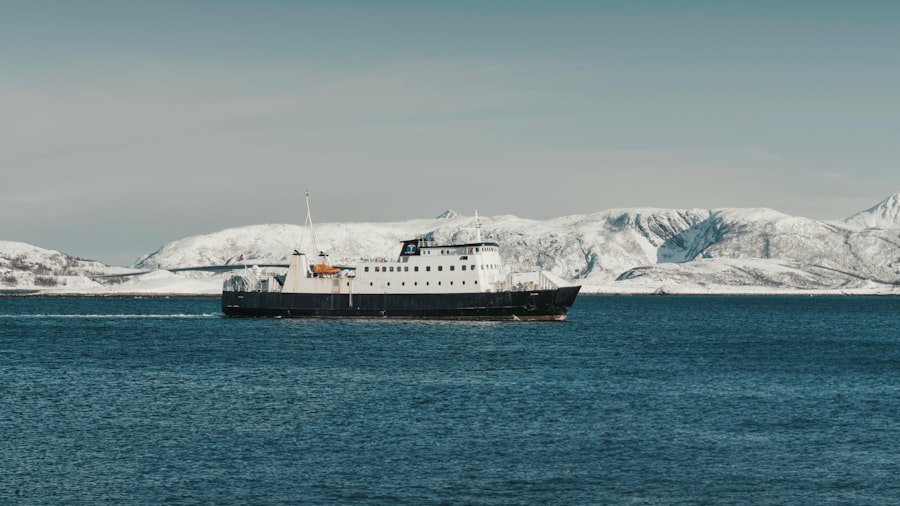
Designing ships for Arctic navigation involves a careful balance between functionality, safety, and efficiency. Vessels intended for these waters must be equipped with reinforced hulls capable of withstanding the immense pressures exerted by ice interaction. This often involves using specialized materials that retain their strength at low temperatures while also incorporating design features such as an icebreaker bow to facilitate smoother navigation through icy waters.
In addition to structural considerations, design must also account for operational efficiency. This includes optimizing hull shapes to reduce resistance when moving through water and ensuring that onboard systems are capable of functioning effectively in extreme cold. Furthermore, incorporating advanced technology—such as ice detection systems—can provide real-time data that aids in navigation decisions, ultimately enhancing safety and performance in challenging conditions.
Strategies for Minimizing Hull Stress in Cold Weather
Minimizing hull stress in cold weather requires a multifaceted approach that encompasses both operational strategies and technological innovations. One effective strategy is route planning; by carefully selecting paths that avoid areas with heavy ice concentrations or extreme weather conditions, operators can reduce the likelihood of encountering situations that would place undue stress on the hull. Additionally, implementing slow steaming practices can help minimize hull stress during navigation.
By reducing speed in icy waters, vessels can decrease the impact forces experienced when encountering ice or rough seas. This approach not only helps protect the hull but also contributes to fuel efficiency—a critical consideration given rising operational costs in Arctic shipping.
The Role of Technology in Monitoring Hull Stress in Arctic Waters
Advancements in technology have revolutionized how ship operators monitor hull stress in Arctic waters. Modern vessels are increasingly equipped with sensors and monitoring systems that provide real-time data on various parameters affecting hull integrity. These systems can track factors such as temperature fluctuations, ice thickness, and structural strain, allowing operators to make informed decisions about navigation and maintenance.
Moreover, data analytics plays a crucial role in interpreting this information. By analyzing trends over time, operators can identify patterns that may indicate potential issues related to hull stress before they become critical problems. This proactive approach not only enhances safety but also contributes to more efficient operations by minimizing downtime associated with repairs or inspections.
Case Studies of Hull Stress in Arctic Waters
Examining case studies of hull stress incidents in Arctic waters provides valuable insights into the challenges faced by maritime operators. One notable example involved a research vessel that encountered unexpectedly thick ice while conducting scientific missions in the Arctic Ocean. The vessel’s hull sustained significant damage due to repeated impacts with the ice, highlighting the importance of thorough route planning and real-time monitoring systems.
Another case study focused on a commercial cargo ship that experienced structural failure during a severe storm while navigating through icy waters. Investigations revealed that inadequate maintenance practices had allowed pre-existing weaknesses in the hull to go unnoticed, ultimately leading to catastrophic consequences. These cases underscore the critical need for robust maintenance protocols and effective monitoring systems to ensure vessel integrity in challenging environments.
Regulatory Considerations for Ships Navigating Arctic Waters
Regulatory frameworks play a vital role in ensuring safe navigation through Arctic waters. International organizations such as the International Maritime Organization (IMO) have established guidelines aimed at enhancing safety standards for vessels operating in polar regions. These regulations often include requirements for vessel design, construction materials, and operational practices tailored specifically for cold weather conditions.
Compliance with these regulations is essential not only for ensuring safety but also for protecting the fragile Arctic environment from potential harm caused by maritime activities. Operators must stay informed about evolving regulations and best practices to navigate these waters responsibly while minimizing their environmental footprint.
Navigating Arctic Waters Safely and Efficiently
Navigating Arctic waters presents both challenges and opportunities for maritime operators seeking to optimize their operations in this increasingly accessible region. Understanding the effects of cold weather on hull stress is crucial for maintaining vessel integrity and ensuring safe passage through treacherous conditions. By prioritizing proper maintenance practices, leveraging advanced technology for monitoring, and adhering to regulatory guidelines, operators can enhance their ability to navigate these icy waters safely and efficiently.
As climate change continues to reshape global shipping routes, the importance of addressing hull stress in cold weather will only grow. By adopting proactive strategies and embracing innovative solutions, maritime operators can position themselves for success while contributing to sustainable practices in one of the world’s most vulnerable ecosystems. Ultimately, navigating Arctic waters requires a commitment to safety, efficiency, and environmental stewardship—principles that will guide successful maritime operations well into the future.
As the Arctic shipping routes become increasingly navigable due to climate change, understanding the impact of cold weather on hull stress is crucial for ensuring the safety and efficiency of maritime operations. A related article that delves into the challenges faced by vessels operating in these frigid conditions can be found at this link. This resource provides valuable insights into the engineering considerations necessary for Arctic shipping.
FAQs
What challenges does cold weather pose to Arctic shipping hulls?
Cold weather in the Arctic causes materials to become brittle and more susceptible to cracking. Ice pressure and low temperatures increase stress on ship hulls, requiring specialized design and materials to withstand these harsh conditions.
How is hull stress measured in Arctic shipping vessels?
Hull stress is typically measured using strain gauges and sensors placed at critical points on the ship’s structure. These devices monitor deformation and stress levels in real-time, helping to ensure the hull remains within safe limits during Arctic operations.
What materials are commonly used for Arctic shipping hulls to resist cold weather stress?
Arctic shipping hulls are often constructed from high-strength, low-temperature steel alloys that maintain toughness and flexibility in extreme cold. These materials help prevent brittle fractures and improve the ship’s overall durability.
Why is hull design important for Arctic shipping?
Hull design is crucial because it must accommodate ice loads and reduce stress concentrations caused by ice impacts. Features like reinforced bows, ice belts, and optimized hull shapes help distribute forces evenly and improve the vessel’s ability to navigate icy waters safely.
How do ice conditions affect hull stress in Arctic shipping?
Ice conditions such as thickness, hardness, and movement create varying pressure and impact forces on the hull. Navigating through thick or fast-moving ice increases hull stress, requiring ships to have robust structural integrity and icebreaking capabilities.
What maintenance practices help manage hull stress in cold weather?
Regular inspections for cracks, corrosion, and material fatigue are essential. Maintenance includes timely repairs, applying protective coatings, and monitoring structural health to prevent failures caused by cold-induced stress and ice damage.
Are there international regulations for Arctic shipping hulls?
Yes, the International Maritime Organization (IMO) has established the Polar Code, which sets mandatory requirements for ship design, construction, and operation in polar waters to ensure safety and environmental protection, including hull strength standards.
Can hull stress lead to accidents in Arctic shipping?
Excessive hull stress can cause structural failures such as cracks or breaches, potentially leading to accidents like flooding or loss of vessel integrity. Proper design, monitoring, and maintenance are critical to preventing such incidents in Arctic conditions.