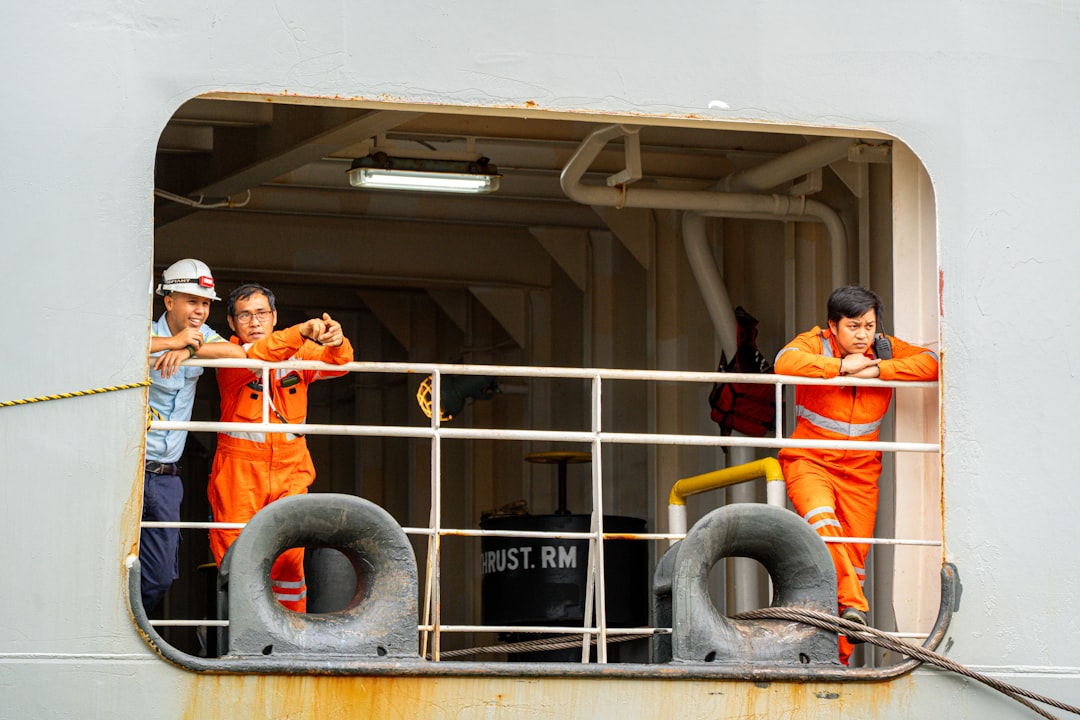
The Polar Code, officially designated as the International Code for Ships Operating in Polar Waters, establishes mandatory safety and environmental protection standards for vessels operating in Arctic and Antarctic waters. This regulatory framework addresses the specific operational challenges presented by polar environments, including sub-zero temperatures, sea ice conditions, limited infrastructure, and restricted communication capabilities. The code mandates enhanced safety equipment, specialized crew training, and modified operational procedures to mitigate risks associated with polar navigation.
Ships must carry additional survival equipment, maintain ice-strengthened hulls when operating in ice-covered waters, and implement fuel systems designed to function in extreme cold conditions. Environmental provisions include restrictions on discharge of oil, sewage, and garbage, along with requirements for ballast water management to prevent introduction of invasive species. Compliance with the Polar Code serves multiple operational and strategic purposes.
The regulations reduce the probability of maritime accidents that could result in oil spills, search and rescue operations, or vessel abandonment in remote polar regions where response capabilities are limited. The code also establishes uniform international standards that facilitate coordination between flag states, port states, and coastal states with jurisdiction over polar waters. As climate change reduces sea ice coverage and extends the navigation season in polar regions, maritime traffic is projected to increase substantially.
The Polar Code provides a regulatory foundation for managing this growth while maintaining operational safety standards and environmental protection measures. Implementation of these standards supports the long-term viability of polar shipping routes and helps preserve the ecological integrity of polar marine environments.
Key Takeaways
- Polar Code compliance is crucial for ensuring safety and environmental protection in Arctic shipping.
- Specialized training is required for crews to navigate and operate effectively in polar conditions.
- Effective navigation, communication, and emergency response protocols are essential in polar waters.
- Cold weather operations demand specific equipment and health considerations for crew well-being.
- Ongoing challenges and risks highlight the need for continuous improvement and adherence to the Polar Code.
Understanding the Polar Code
The Polar Code was adopted by the International Maritime Organization (IMO) in 2014 and came into force in 2017, marking a pivotal moment in maritime law. It encompasses a comprehensive set of regulations designed to address the unique challenges posed by polar environments. The code is divided into two main parts: Part I focuses on safety measures for ships operating in polar waters, while Part II addresses environmental protection.
This dual approach underscores the interconnectedness of safety and environmental stewardship in these sensitive regions. One of the key features of the Polar Code is its emphasis on risk assessment and management. Ships are required to conduct thorough assessments of their operational capabilities and potential risks associated with polar navigation.
This includes evaluating ice conditions, weather patterns, and the ship’s structural integrity. By mandating such assessments, the Polar Code aims to ensure that vessels are adequately prepared for the harsh realities of polar operations. Additionally, the code outlines specific design and construction standards for ships, ensuring they are equipped to withstand extreme conditions, thereby enhancing overall safety.
Training Requirements for Arctic Shipping Crews
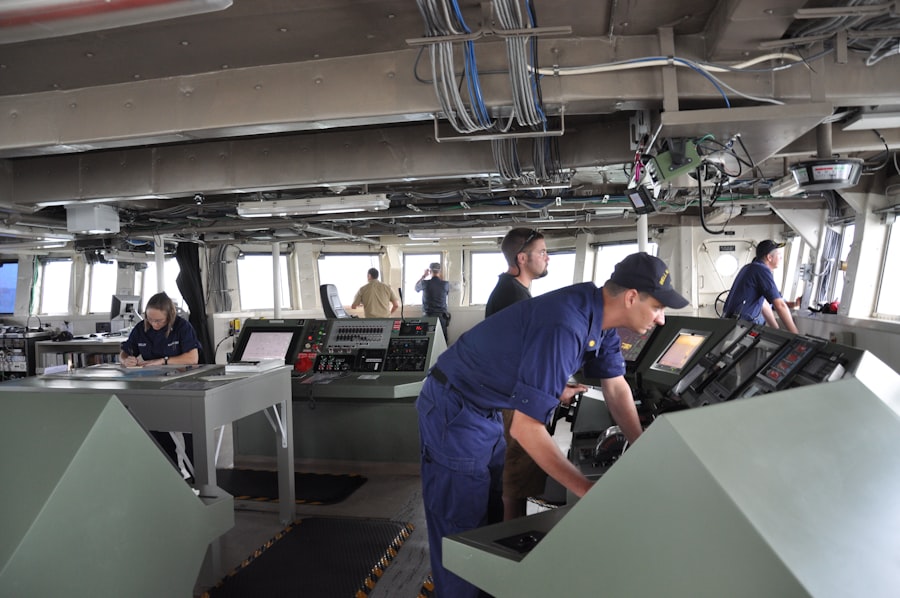
Training requirements for crews operating in Arctic waters are a critical component of Polar Code compliance. The code mandates that crew members possess specialized knowledge and skills tailored to the unique challenges of polar navigation. This includes understanding ice navigation techniques, emergency response protocols, and environmental protection measures.
Training programs must be comprehensive and regularly updated to reflect evolving best practices and technological advancements. Furthermore, effective training goes beyond theoretical knowledge; it must also include practical exercises that simulate real-life scenarios. Crew members should engage in drills that prepare them for emergencies such as ice collisions or equipment failures.
By fostering a culture of preparedness and resilience, shipping companies can significantly reduce the risks associated with Arctic operations. The emphasis on training not only enhances crew competency but also instills confidence in their ability to navigate the complexities of polar waters safely.
Safety and Environmental Considerations in the Arctic
Safety and environmental considerations are paramount when it comes to Arctic shipping. The region’s fragile ecosystems are particularly vulnerable to disturbances caused by human activity, making it essential for shipping companies to adopt environmentally responsible practices. The Polar Code outlines specific measures aimed at minimizing environmental impact, such as restrictions on discharges and requirements for waste management systems onboard vessels.
In addition to environmental protection, safety measures are critical in preventing accidents that could lead to oil spills or other hazardous incidents. The code emphasizes the importance of maintaining robust safety management systems that encompass everything from vessel design to crew training. By prioritizing both safety and environmental stewardship, shipping companies can contribute to the preservation of the Arctic’s unique biodiversity while ensuring safe passage through its waters.
Navigation and Communication in Polar Waters
| Metric | Description | Value / Standard | Notes |
|---|---|---|---|
| Mandatory Training Hours | Minimum hours of crew training required under Polar Code | 24 hours | Includes cold weather survival, ice navigation, and emergency procedures |
| Ice Navigation Training | Specialized training for navigating through ice-covered waters | Required for all deck officers | Focus on ice recognition, ship handling, and route planning |
| Cold Weather Survival Training | Training on survival techniques in polar conditions | Mandatory for all crew | Includes use of survival suits and emergency shelters |
| Polar Code Compliance | Adherence to IMO Polar Code regulations for crew training | 100% | Ensures safety and environmental protection in polar waters |
| Emergency Drills Frequency | Number of emergency drills conducted per month | At least 1 | Includes fire, abandon ship, and man overboard drills |
| Language Proficiency | Crew proficiency in English for communication | Minimum Level 4 (ICAO scale) | Essential for clear communication during emergencies |
| Environmental Awareness Training | Training on minimizing environmental impact in polar regions | Included in Polar Code training | Focus on waste management and fuel handling |
Navigating polar waters presents unique challenges that require advanced technology and expertise. The Polar Code emphasizes the need for reliable navigation systems capable of functioning in extreme conditions. Traditional navigation methods may be inadequate due to shifting ice patterns and rapidly changing weather conditions.
Therefore, vessels must be equipped with state-of-the-art technology, including ice radar and satellite communication systems, to ensure safe navigation. Effective communication is equally vital in polar operations. The remoteness of Arctic regions can complicate communication efforts, making it essential for ships to maintain constant contact with shore-based support teams and other vessels in the area.
The Polar Code encourages the use of modern communication technologies to facilitate real-time information sharing regarding weather updates, ice conditions, and potential hazards. By enhancing navigation and communication capabilities, shipping companies can significantly improve their operational safety in polar waters.
Emergency Response and Search and Rescue Procedures
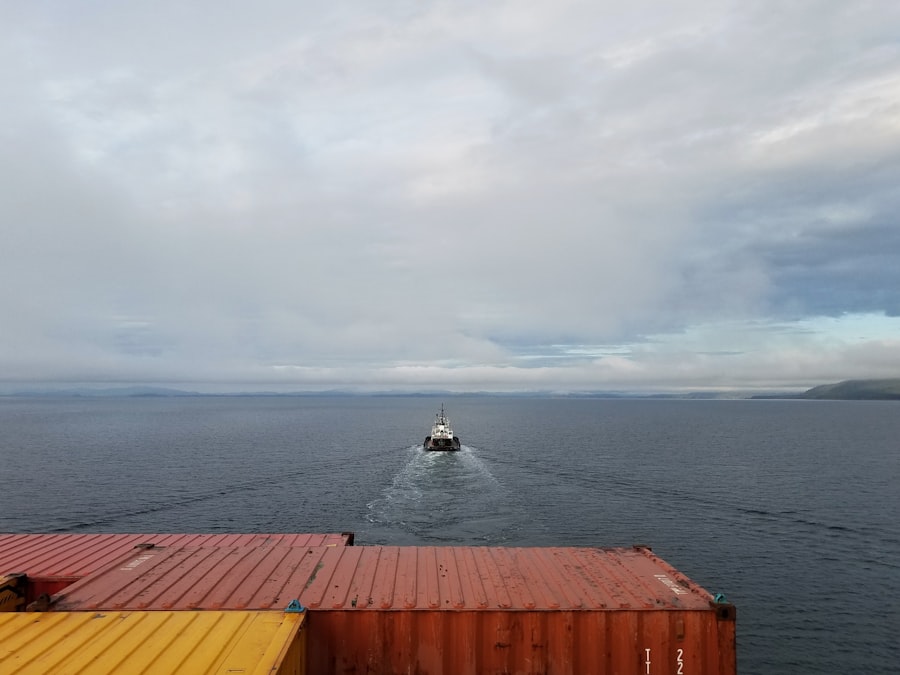
Emergency response planning is a critical aspect of operating in polar regions, where swift action can mean the difference between life and death. The Polar Code mandates that vessels have comprehensive emergency response plans tailored to the specific risks associated with Arctic operations. These plans should outline procedures for various scenarios, including man-overboard situations, fires onboard, or hull breaches due to ice impacts.
Search and rescue (SAR) procedures are also a vital component of emergency preparedness in polar waters. Given the remote nature of these regions, coordination with national authorities and other vessels is essential for effective SAR operations. The Polar Code encourages collaboration among countries with interests in Arctic shipping to establish clear protocols for responding to emergencies.
By fostering a culture of preparedness and cooperation, shipping companies can enhance their ability to respond effectively to crises in polar environments.
Cold Weather Operations and Equipment
Operating in cold weather conditions requires specialized equipment and procedures to ensure both crew safety and vessel integrity. The Polar Code outlines specific requirements for ships operating in icy waters, including reinforced hulls capable of withstanding ice pressure and advanced heating systems to prevent equipment failure due to freezing temperatures.
In addition to vessel design considerations, crews must be trained in cold weather operations to mitigate risks associated with extreme temperatures. This includes understanding how to properly handle equipment in freezing conditions and recognizing signs of hypothermia or frostbite among crew members. By prioritizing cold weather preparedness, shipping companies can enhance their operational resilience while safeguarding the health and well-being of their crews.
Health and Wellness Considerations for Arctic Crews
The health and wellness of crews operating in Arctic environments is a critical concern that extends beyond physical safety. The isolation and harsh conditions of polar operations can take a toll on mental health, making it essential for shipping companies to implement comprehensive wellness programs. These programs should address both physical health needs—such as access to medical care—and mental health support systems that help crew members cope with stressors associated with long deployments in remote areas.
Moreover, proper nutrition is vital for maintaining crew morale and physical well-being during extended voyages. Shipping companies should ensure that provisions meet nutritional standards while also considering dietary restrictions or preferences among crew members. By fostering a supportive environment that prioritizes health and wellness, shipping companies can enhance crew performance and reduce turnover rates in an industry where skilled personnel are already in high demand.
Case Studies of Successful Polar Code Compliance
Examining case studies of successful Polar Code compliance provides valuable insights into best practices within the industry. One notable example is a shipping company that implemented rigorous training programs for its crews before embarking on Arctic voyages. By investing in comprehensive training that included simulations of emergency scenarios, this company significantly reduced incidents related to ice navigation challenges.
Another case study highlights a vessel equipped with advanced technology that allowed for real-time monitoring of ice conditions during its journey through polar waters. This proactive approach not only enhanced navigation safety but also facilitated timely communication with other vessels operating nearby. These examples illustrate how adherence to the Polar Code can lead to improved operational outcomes while reinforcing a commitment to safety and environmental stewardship.
Challenges and Risks of Arctic Shipping
Despite advancements in regulations like the Polar Code, challenges and risks associated with Arctic shipping remain significant. One major concern is the unpredictability of ice conditions due to climate change, which can create hazardous navigation scenarios even for well-prepared vessels. Additionally, limited infrastructure in remote areas poses logistical challenges for resupply missions or emergency response efforts.
Furthermore, geopolitical tensions surrounding Arctic resources can complicate international cooperation among nations involved in polar shipping activities. As competition increases for access to these valuable resources, ensuring compliance with safety regulations becomes even more critical to prevent accidents that could escalate into larger conflicts or environmental disasters.
The Future of Arctic Shipping and Polar Code Compliance
Looking ahead, the future of Arctic shipping will likely be shaped by ongoing developments in technology, climate change impacts, and evolving regulatory frameworks like the Polar Code. As new shipping routes emerge due to melting ice caps, there will be an increasing need for robust compliance mechanisms that prioritize safety and environmental protection. Moreover, collaboration among stakeholders—including governments, shipping companies, indigenous communities, and environmental organizations—will be essential for establishing sustainable practices in Arctic shipping.
By fostering dialogue and cooperation among diverse interests, it may be possible to navigate the complexities of polar operations while safeguarding these fragile ecosystems for generations to come. In conclusion, compliance with the Polar Code is not just a regulatory requirement; it is a commitment to responsible stewardship of some of the world’s most vulnerable environments. As Arctic shipping continues to evolve, embracing best practices outlined in the code will be crucial for ensuring safe navigation while protecting the delicate balance of life within these icy realms.
In the context of Arctic shipping and the importance of crew training under the Polar Code, it is essential to stay informed about the latest developments and best practices in this field. A related article that provides valuable insights can be found at