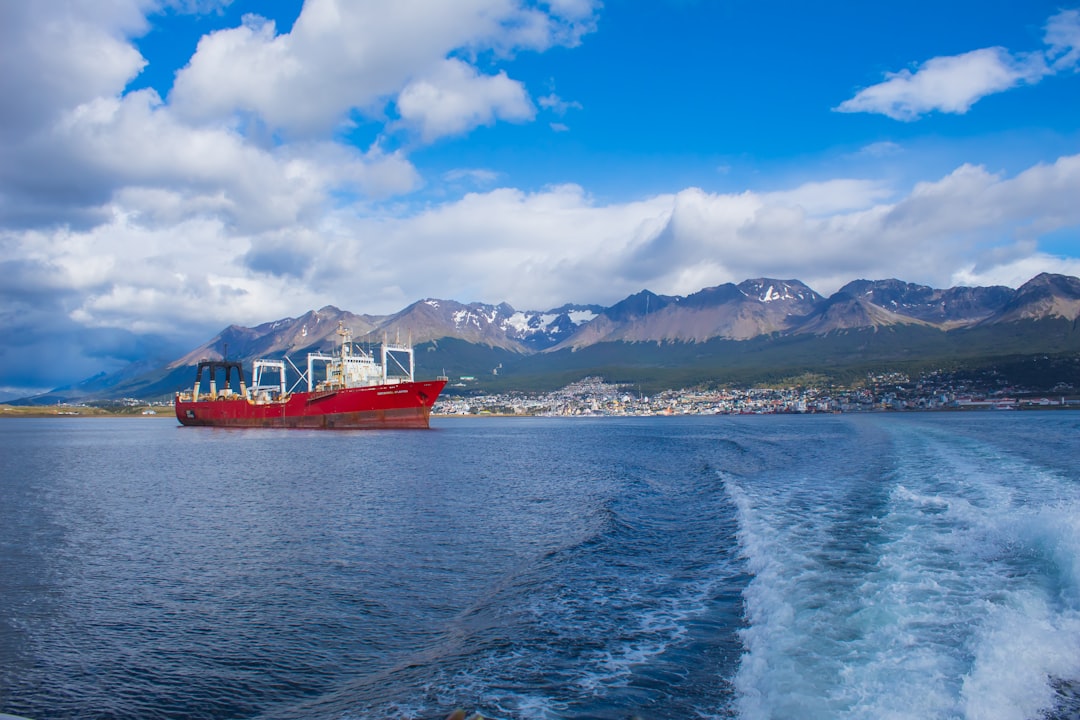
The Arctic region has increasingly become a focal point for global shipping activities, driven by the melting ice caps and the opening of new maritime routes. As traditional shipping lanes become congested and time-consuming, the Northern Sea Route and the Northwest Passage present viable alternatives that significantly reduce transit times between major markets. This shift is not merely a matter of convenience; it represents a strategic pivot in global trade dynamics.
The Arctic’s potential to facilitate faster shipping routes is drawing the attention of shipping companies, governments, and investors alike, all eager to capitalize on the economic opportunities that lie within this once-inaccessible region. Moreover, the growing importance of Arctic shipping is underscored by the increasing demand for natural resources found in the region. The Arctic is rich in oil, gas, and minerals, and as global energy needs continue to rise, the extraction and transportation of these resources are becoming more feasible.
This has led to a surge in shipping activities, as companies seek to transport goods and raw materials across these newly accessible waters. The convergence of these factors—faster routes and resource extraction—has positioned Arctic shipping as a critical component of the global economy, prompting stakeholders to explore its potential while also considering the associated risks.
Key Takeaways
- Arctic shipping is becoming increasingly important due to new trade routes and resource access.
- Significant risks include harsh weather, ice hazards, and limited rescue infrastructure.
- Reinsurance plays a critical role in managing the financial risks associated with Arctic shipping.
- Climate change is both opening new routes and increasing unpredictability and risks.
- Advances in technology and evolving regulations are shaping the future of Arctic shipping and its insurance landscape.
Risks and Challenges of Arctic Shipping
Despite its promising prospects, Arctic shipping is fraught with significant risks and challenges that cannot be overlooked. The harsh environmental conditions present formidable obstacles for vessels navigating these icy waters. Extreme weather events, unpredictable ice patterns, and limited daylight during winter months can severely impact navigation and safety.
These factors necessitate specialized vessels equipped with ice-breaking capabilities, which can be costly to build and operate. Additionally, the remoteness of the Arctic means that emergency response resources are often limited, heightening the stakes for shipping companies operating in this region. Another critical challenge lies in the geopolitical landscape surrounding Arctic shipping.
As multiple nations lay claim to various parts of the Arctic, tensions can arise over territorial rights and resource access. This geopolitical complexity can lead to regulatory uncertainties that complicate shipping operations. Furthermore, environmental concerns are paramount; any accidents or spills could have devastating effects on fragile ecosystems.
The combination of these risks creates a challenging environment for shipping companies, necessitating robust risk management strategies to navigate the complexities of Arctic operations.
The Role of Reinsurance in Arctic Shipping
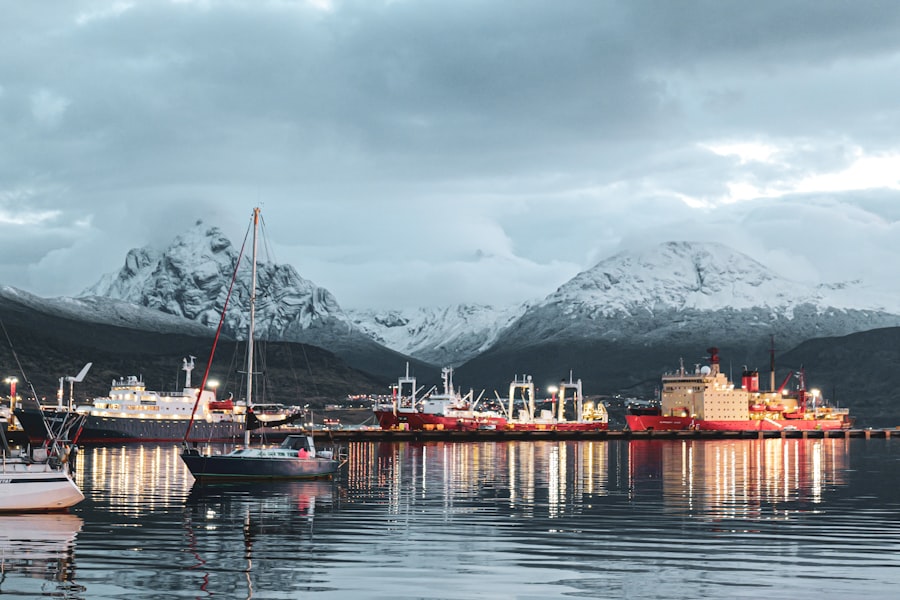
Reinsurance plays a pivotal role in mitigating the risks associated with Arctic shipping. By providing an additional layer of financial protection, reinsurance allows primary insurers to manage their exposure to potential losses more effectively. Given the unique challenges posed by Arctic operations—such as extreme weather conditions and geopolitical tensions—reinsurers are essential in ensuring that primary insurers can offer comprehensive coverage to shipping companies.
This relationship not only stabilizes the insurance market but also fosters confidence among stakeholders engaged in Arctic shipping. Moreover, reinsurers bring specialized knowledge and expertise to the table, which is crucial for assessing risks in this complex environment. They often employ advanced modeling techniques to evaluate potential losses and develop tailored solutions for their clients.
This expertise is particularly valuable in the Arctic context, where traditional risk assessment methods may fall short due to the region’s unique characteristics. By collaborating with reinsurers, shipping companies can better understand their risk profiles and implement strategies that enhance their resilience against potential disruptions.
Trends in Arctic Shipping Reinsurance
The landscape of Arctic shipping reinsurance is evolving rapidly as market dynamics shift in response to increased activity in the region. One notable trend is the growing demand for customized insurance products that address the specific risks associated with Arctic operations. As more companies venture into these waters, they seek coverage that reflects their unique operational challenges, such as ice navigation and environmental liability.
Reinsurers are responding by developing innovative solutions that cater to these needs, ensuring that clients have access to appropriate coverage. Additionally, there is a noticeable increase in collaboration between insurers and reinsurers as they work together to navigate the complexities of Arctic shipping. This partnership approach allows for a more comprehensive understanding of risks and facilitates the development of effective risk management strategies.
As stakeholders recognize the importance of sharing knowledge and resources, this trend is likely to continue shaping the reinsurance landscape in Arctic shipping.
Impact of Climate Change on Arctic Shipping
| Year | Reinsurance Premiums (in millions) | Number of Arctic Shipping Policies | Claims Frequency (%) | Average Claim Size | Market Growth Rate (%) | Key Risk Factors |
|---|---|---|---|---|---|---|
| 2020 | 120 | 45 | 8.5 | 1.2 million | 12 | Ice conditions, environmental regulations |
| 2021 | 135 | 52 | 9.0 | 1.3 million | 13 | Increased traffic, climate change impact |
| 2022 | 150 | 60 | 9.5 | 1.4 million | 11 | New shipping routes, geopolitical risks |
| 2023 | 170 | 68 | 10.0 | 1.5 million | 13 | Regulatory changes, increased vessel size |
| 2024 (Projected) | 190 | 75 | 10.5 | 1.6 million | 12 | Technological advancements, environmental risks |
Climate change is a double-edged sword for Arctic shipping; while it opens up new routes and opportunities, it also exacerbates existing risks. The melting ice caps have made previously inaccessible areas navigable, leading to increased shipping traffic. However, this rapid change in the environment poses significant challenges for navigation safety and environmental protection.
Furthermore, climate change raises concerns about environmental sustainability in the Arctic region. Increased shipping activity can lead to greater risks of oil spills and other ecological disasters that threaten fragile ecosystems.
As awareness of these issues grows, there is mounting pressure on shipping companies to adopt environmentally responsible practices. This includes implementing measures to minimize emissions and reduce their overall environmental footprint while navigating these sensitive waters.
Regulatory and Legal Considerations for Arctic Shipping

The regulatory framework governing Arctic shipping is complex and multifaceted, reflecting the diverse interests of various stakeholders involved in this region. International treaties, national laws, and regional agreements all play a role in shaping the legal landscape for shipping operations in the Arctic. The United Nations Convention on the Law of the Sea (UNCLOS) provides a foundational legal framework for maritime activities, but its application in the Arctic context can be contentious due to overlapping territorial claims.
In addition to international regulations, individual countries with Arctic coastlines have established their own laws governing shipping activities within their territorial waters. These regulations often focus on safety standards, environmental protection measures, and navigational protocols. As shipping activity increases, there is a growing need for harmonization of these regulations to ensure safe and efficient operations across borders.
Stakeholders must navigate this intricate legal landscape while remaining compliant with evolving regulations that reflect both environmental concerns and geopolitical dynamics.
Technology and Innovation in Arctic Shipping
Technological advancements are playing a crucial role in enhancing safety and efficiency in Arctic shipping operations. Innovations such as autonomous vessels, advanced navigation systems, and real-time weather monitoring tools are transforming how ships navigate these challenging waters. Autonomous vessels equipped with sophisticated sensors can operate with greater precision, reducing human error and improving safety outcomes in icy conditions.
Moreover, technology is facilitating better communication between vessels operating in remote areas and shore-based support teams. Enhanced connectivity allows for real-time data sharing regarding ice conditions, weather patterns, and navigational hazards. This information is invaluable for decision-making processes and helps ensure that ships can adapt quickly to changing circumstances.
As technology continues to evolve, it will undoubtedly play an increasingly vital role in shaping the future of Arctic shipping.
The Role of Insurance and Reinsurance in Arctic Shipping
Insurance and reinsurance are integral components of risk management strategies for companies engaged in Arctic shipping. Given the unique challenges posed by this environment—ranging from extreme weather conditions to geopolitical tensions—having comprehensive insurance coverage is essential for protecting assets and ensuring business continuity.
The collaboration between insurers and reinsurers fosters a more resilient insurance market capable of addressing the complexities associated with Arctic operations. By pooling resources and expertise, these entities can develop innovative insurance products that cater to the evolving needs of shipping companies operating in this challenging environment. This partnership not only enhances financial stability but also promotes confidence among stakeholders engaged in Arctic shipping.
Market Trends and Opportunities in Arctic Shipping Reinsurance
As interest in Arctic shipping continues to grow, so too do opportunities within the reinsurance market tailored specifically for this sector. One emerging trend is the increasing focus on sustainability within insurance products offered to shipping companies operating in the Arctic region. Insurers are beginning to recognize the importance of aligning their offerings with environmental goals, leading to the development of policies that incentivize eco-friendly practices among clients.
Additionally, there is a rising demand for data-driven solutions that enhance risk assessment capabilities within the reinsurance market. As technology advances, reinsurers are leveraging big data analytics to gain insights into emerging risks associated with Arctic operations. This trend not only improves underwriting processes but also enables reinsurers to offer more accurate pricing models that reflect the unique challenges faced by companies operating in this region.
Strategies for Managing Risks in Arctic Shipping
Effective risk management strategies are essential for navigating the complexities of Arctic shipping operations. Companies must adopt a proactive approach that encompasses comprehensive risk assessments, contingency planning, and ongoing training for crew members. By identifying potential hazards early on—such as ice conditions or adverse weather—shipping companies can implement measures to mitigate risks before they escalate into serious incidents.
Collaboration with industry stakeholders is also crucial for managing risks effectively. Engaging with local communities, regulatory bodies, and environmental organizations can provide valuable insights into best practices for operating in the Arctic environment. Additionally, sharing knowledge among peers within the industry fosters a culture of safety and responsibility that benefits all parties involved.
The Future of Arctic Shipping and Reinsurance
The future of Arctic shipping appears poised for growth as climate change continues to reshape global trade routes and resource extraction becomes increasingly viable. However, this growth will not come without its challenges; navigating the complexities of environmental sustainability, regulatory compliance, and geopolitical tensions will require concerted efforts from all stakeholders involved. Reinsurance will play an essential role in supporting this evolving landscape by providing financial stability and expertise necessary for managing risks associated with Arctic operations.
As demand for innovative insurance products grows alongside increased activity in this region, reinsurers will need to adapt their offerings to meet the unique needs of clients engaged in Arctic shipping. In conclusion, while opportunities abound within Arctic shipping, they must be approached with caution and foresight. By leveraging technology, fostering collaboration among stakeholders, and implementing robust risk management strategies, companies can navigate this challenging environment successfully while contributing positively to its future sustainability.
The Arctic shipping reinsurance market is experiencing significant changes due to the increasing accessibility of the Northern Sea Route, which has implications for risk assessment and coverage options. For a deeper understanding of the factors influencing these trends, you can read the related article on this topic at this link.
FAQs
What is the Arctic shipping reinsurance market?
The Arctic shipping reinsurance market refers to the sector of the insurance industry that provides reinsurance coverage specifically for shipping activities in the Arctic region. This market addresses the unique risks associated with navigating Arctic waters, such as extreme weather, ice hazards, and limited infrastructure.
Why is reinsurance important for Arctic shipping?
Reinsurance is crucial for Arctic shipping because it helps primary insurers manage the high risks and potential large losses linked to Arctic maritime operations. It allows insurers to share risk, maintain financial stability, and offer coverage for challenging and unpredictable conditions in the Arctic.
What are the current trends in the Arctic shipping reinsurance market?
Current trends include increased demand for coverage due to growing Arctic shipping traffic, evolving risk assessment models incorporating climate change impacts, and the development of specialized insurance products tailored to Arctic conditions. Additionally, there is a focus on collaboration between insurers, governments, and shipping companies to improve risk management.
How does climate change impact the Arctic shipping reinsurance market?
Climate change is leading to reduced sea ice, which opens new shipping routes and extends the shipping season in the Arctic. While this increases opportunities, it also introduces new risks such as unpredictable weather and environmental hazards, prompting reinsurers to adjust their risk models and pricing accordingly.
What types of risks are covered by Arctic shipping reinsurance?
Reinsurance in Arctic shipping typically covers risks such as hull damage from ice, environmental liability from spills, cargo loss, delays due to weather or ice conditions, and liabilities arising from accidents or collisions in remote and harsh environments.
Who are the main participants in the Arctic shipping reinsurance market?
Participants include primary insurers specializing in marine and Arctic risks, reinsurance companies that provide risk-sharing solutions, shipping companies operating in the Arctic, brokers, and regulatory bodies overseeing maritime safety and environmental protection.
What challenges does the Arctic shipping reinsurance market face?
Challenges include limited historical data for accurate risk modeling, rapidly changing environmental conditions, regulatory uncertainties, high operational costs, and the need for specialized expertise to assess and underwrite Arctic-specific risks.
How is technology influencing the Arctic shipping reinsurance market?
Advancements in satellite monitoring, ice mapping, and predictive analytics are improving risk assessment and underwriting accuracy. Technology also enhances real-time tracking and emergency response capabilities, which can reduce losses and improve claims management in Arctic shipping.
What is the outlook for the Arctic shipping reinsurance market?
The outlook is cautiously optimistic, with expectations of growth driven by increased Arctic maritime activity. However, the market will continue to evolve as insurers adapt to emerging risks, regulatory changes, and technological innovations to support safe and sustainable Arctic shipping.