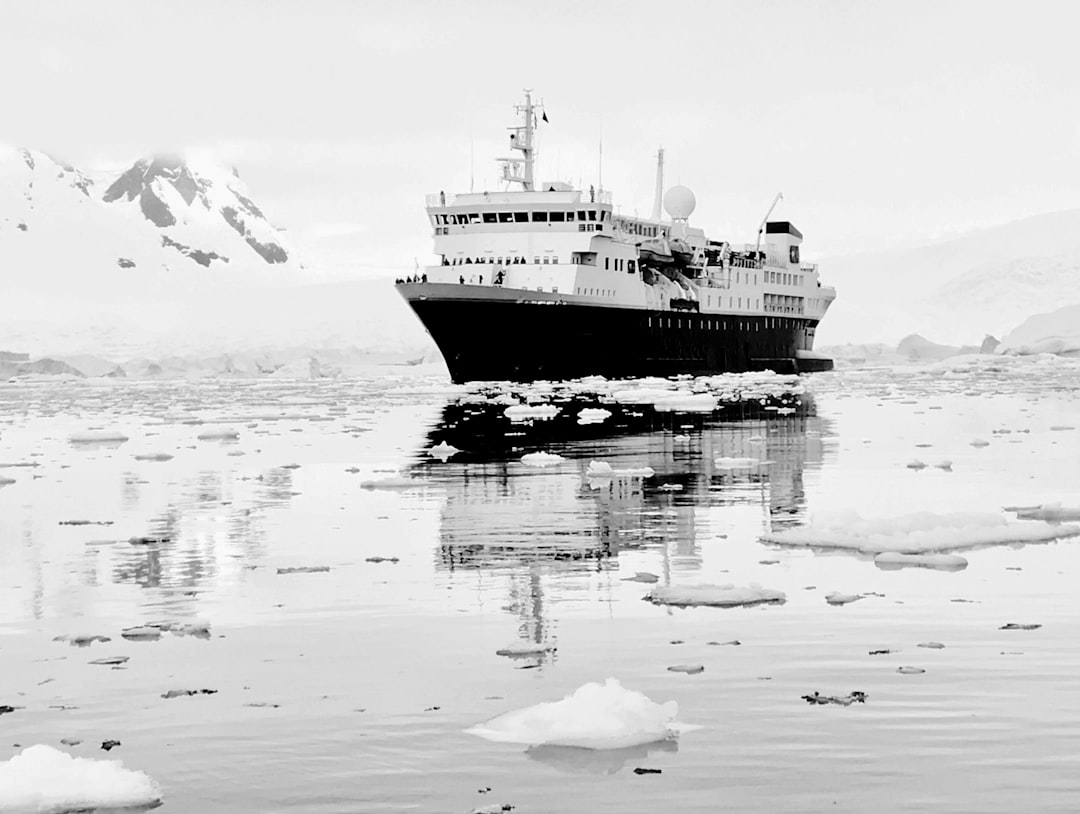
Arctic shipping has gained prominence due to climate-induced ice reduction that has created new maritime passages. The Arctic region, previously inaccessible due to extreme weather and permanent ice coverage, now offers viable shipping alternatives. This development creates economic opportunities through reduced transit distances and lower fuel consumption while presenting operational and regulatory challenges.
The Northern Sea Route along Russia’s Arctic coast and the Northwest Passage through the Canadian Arctic Archipelago represent the primary alternative corridors to traditional shipping lanes via the Suez Canal. These routes can reduce travel time between Europe and Asia by approximately 30-40% compared to conventional southern routes. The expansion of Arctic shipping affects multiple sectors including international commerce, environmental protection, and regional geopolitics.
Arctic nations including Russia, Canada, Norway, Denmark, and the United States are establishing territorial claims and developing infrastructure to support increased maritime traffic. The region’s accessibility raises concerns about ecosystem disruption, carbon emissions from increased shipping activity, and the need for enhanced search and rescue capabilities in remote waters. Regulatory frameworks are evolving to address safety standards, environmental protection, and navigation protocols specific to Arctic conditions.
The International Maritime Organization’s Polar Code, implemented in 2017, establishes mandatory requirements for ships operating in polar waters, including crew training, equipment standards, and environmental protection measures.
Key Takeaways
- Arctic shipping is growing, necessitating enhanced infrastructure and monitoring.
- Dual use ports serve both commercial and military purposes, crucial for Arctic operations.
- Surveillance technologies are vital for safety, security, and environmental protection in the Arctic.
- International cooperation is essential to address challenges and leverage opportunities in Arctic shipping.
- Environmental and security concerns must be balanced with economic benefits and future development trends.
Dual Use Ports: Definition and Purpose
Dual use ports are facilities designed to serve both commercial shipping and military operations. These ports play a crucial role in enhancing the strategic capabilities of nations while also supporting economic activities. In the context of Arctic shipping, dual use ports are particularly significant due to the region’s unique geopolitical landscape.
They provide essential infrastructure that can accommodate various types of vessels, from cargo ships to naval vessels, thereby facilitating a multifaceted approach to maritime operations. The purpose of dual use ports extends beyond mere functionality; they symbolize a convergence of interests where economic development meets national security. In the Arctic, where access to resources and shipping routes is becoming increasingly contested, these ports can serve as critical hubs for surveillance, logistics, and emergency response.
By integrating commercial and military capabilities, dual use ports enhance a nation’s ability to respond to challenges in the region while also fostering economic growth through increased trade and investment.
The Importance of Surveillance in the Arctic
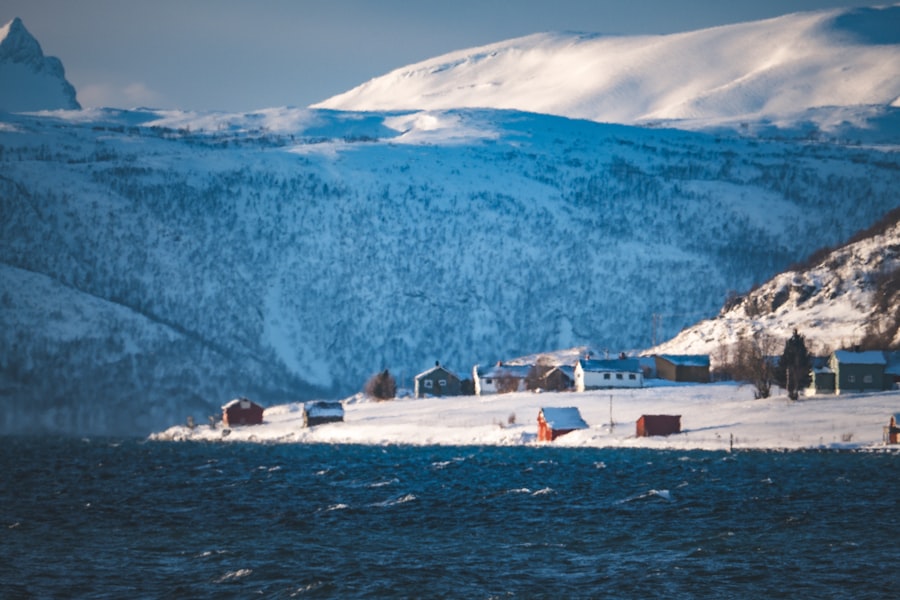
Surveillance in the Arctic is paramount for several reasons, primarily due to the region’s strategic significance and environmental vulnerabilities. As shipping traffic increases, so does the need for monitoring activities to ensure safe navigation and protect marine ecosystems. The harsh conditions of the Arctic make it challenging to maintain oversight, yet effective surveillance is essential for preventing accidents, illegal fishing, and other illicit activities that could threaten both the environment and national security.
Moreover, surveillance plays a critical role in understanding the impacts of climate change in the Arctic. With melting ice caps and shifting ecosystems, scientists and policymakers require accurate data to inform their decisions. Advanced surveillance technologies can provide real-time information on weather patterns, ice conditions, and wildlife movements, enabling better management of natural resources and protection of fragile habitats.
Thus, surveillance is not merely a tool for security; it is also vital for sustainable development in this rapidly changing region.
The Role of Dual Use Ports in Arctic Shipping
Dual use ports are integral to the future of Arctic shipping as they provide essential infrastructure that supports both commercial and military operations. These ports facilitate efficient logistics for shipping companies while also serving as strategic assets for national defense. By accommodating a diverse range of vessels, dual use ports enhance operational flexibility in the Arctic, allowing for rapid deployment of resources in response to emergencies or security threats.
In addition to their logistical advantages, dual use ports can foster international cooperation in the Arctic. By serving as hubs for joint exercises and collaborative research initiatives, these ports can help build trust among nations with competing interests in the region. This collaborative spirit is crucial for addressing shared challenges such as climate change, search and rescue operations, and environmental protection.
As Arctic shipping continues to grow, dual use ports will play a pivotal role in balancing economic ambitions with the need for security and environmental stewardship.
Challenges and Opportunities in Arctic Shipping
| Metric | Description | Value / Status | Unit | Notes |
|---|---|---|---|---|
| Number of Dual-Use Ports | Ports in the Arctic region serving both commercial and military purposes | 12 | Count | Includes ports in Russia, Norway, Canada, and the US |
| Annual Arctic Shipping Traffic | Number of vessels passing through Arctic routes annually | 1,200 | Vessels per year | Includes commercial and military vessels |
| Surveillance Coverage | Percentage of Arctic maritime area monitored by dual-use port surveillance systems | 75 | Percent | Combines radar, satellite, and AIS data |
| Average Response Time | Time taken to respond to security incidents detected by port surveillance | 15 | Minutes | Measured from detection to deployment of response units |
| Number of Surveillance Sensors | Total sensors deployed at dual-use ports for monitoring | 350 | Units | Includes radar, cameras, and acoustic sensors |
| Satellite Monitoring Frequency | Average number of satellite passes over Arctic ports per day | 4 | Passes/day | Supports real-time tracking and surveillance |
| Incidents Detected Annually | Number of suspicious or unauthorized activities detected by port surveillance | 25 | Incidents/year | Includes illegal fishing, unauthorized vessel entry, and security breaches |
| Integration Level | Degree of integration between commercial and military surveillance systems | High | Qualitative | Enables shared situational awareness and coordinated response |
The rise of Arctic shipping presents a complex array of challenges and opportunities that stakeholders must navigate carefully. One of the primary challenges is the unpredictable nature of Arctic weather, which can lead to hazardous navigation conditions. Icebergs, shifting ice floes, and severe storms pose significant risks to vessels operating in these waters.
Additionally, the lack of established infrastructure in many areas complicates logistics and increases operational costs. Conversely, the opportunities presented by Arctic shipping are substantial. Shorter transit times between major markets can lead to significant cost savings for shipping companies.
Furthermore, the potential for resource extraction—such as oil, gas, and minerals—adds an economic incentive for nations to invest in Arctic infrastructure. As technology advances and more reliable navigation systems are developed, the feasibility of Arctic shipping will continue to improve. However, stakeholders must remain vigilant about balancing these opportunities with environmental protection and sustainable practices.
Surveillance Technologies in the Arctic
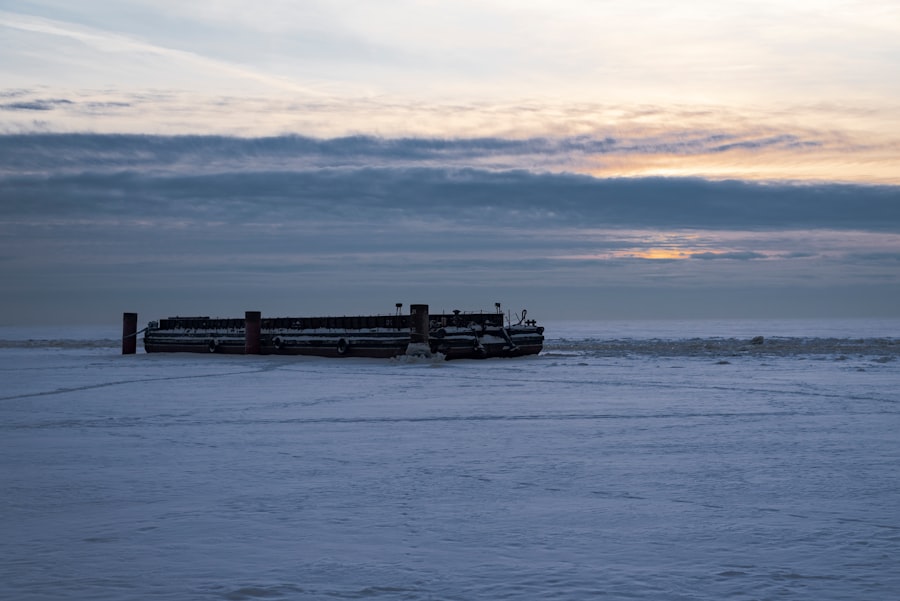
The advancement of surveillance technologies is crucial for effective monitoring of activities in the Arctic region. Traditional methods such as satellite imagery and aerial reconnaissance are being complemented by innovative solutions like unmanned aerial vehicles (UAVs) and autonomous underwater vehicles (AUVs). These technologies enable real-time data collection on ice conditions, marine traffic, and environmental changes, providing valuable insights for both commercial operators and governmental agencies.
Moreover, integrating artificial intelligence (AI) into surveillance systems enhances their effectiveness by enabling predictive analytics and automated decision-making processes.
As these technologies continue to evolve, they will play an increasingly vital role in ensuring safe navigation and protecting the delicate ecosystems of the Arctic.
Environmental Concerns in Arctic Shipping
Environmental concerns are at the forefront of discussions surrounding Arctic shipping. The region’s fragile ecosystems are particularly vulnerable to disturbances caused by increased maritime traffic. Oil spills, waste discharge from vessels, and noise pollution can have devastating effects on marine life and habitats.
As shipping routes become more accessible, it is imperative that stakeholders prioritize environmental protection alongside economic development. Furthermore, climate change exacerbates these concerns by altering ecosystems at an unprecedented rate. Melting ice caps not only open new shipping lanes but also threaten species that rely on stable ice environments for survival.
The potential for increased human activity in the Arctic raises questions about sustainability and long-term impacts on biodiversity. Therefore, it is essential for policymakers to implement stringent regulations that govern shipping practices in the region while promoting environmentally friendly technologies.
International Cooperation in Arctic Shipping and Surveillance
International cooperation is essential for addressing the complexities of Arctic shipping and surveillance effectively. Given the shared interests among Arctic nations—such as resource management, environmental protection, and security—collaborative efforts can lead to more comprehensive solutions. Organizations like the Arctic Council play a pivotal role in fostering dialogue among member states and facilitating joint initiatives aimed at sustainable development.
Collaborative surveillance efforts can enhance situational awareness across borders, allowing nations to respond more effectively to emerging threats or environmental challenges. By sharing data and resources, countries can build a more robust framework for monitoring activities in the Arctic while also promoting transparency and trust among stakeholders. This cooperative approach is vital for ensuring that the benefits of Arctic shipping are realized without compromising environmental integrity or national security.
Economic Impact of Arctic Shipping and Dual Use Ports
The economic impact of Arctic shipping is profound, with potential benefits extending beyond individual nations to global trade networks. The opening of new shipping routes can significantly reduce transit times between major markets, leading to lower transportation costs for goods. This efficiency can stimulate economic growth not only in Arctic regions but also in countries that rely on these trade routes.
Dual use ports further amplify this economic potential by attracting investment from both commercial enterprises and military sectors. These ports can serve as logistical hubs that facilitate trade while also enhancing national security capabilities. As nations invest in infrastructure development within these ports, they create jobs and stimulate local economies.
However, it is crucial that this economic growth is balanced with environmental considerations to ensure sustainable development in the region.
Security Considerations in Arctic Shipping
Security considerations are paramount in discussions about Arctic shipping due to the region’s strategic importance and geopolitical tensions among nations. As shipping traffic increases, so does the potential for conflicts over resources and territorial claims. The presence of dual use ports adds another layer of complexity, as they serve both commercial interests and military objectives.
To address these security challenges effectively, nations must develop comprehensive strategies that encompass both maritime security measures and diplomatic efforts. Enhanced surveillance capabilities can help monitor activities in real-time, allowing for swift responses to potential threats or illegal activities. Additionally, fostering dialogue among Arctic nations can help mitigate tensions and promote cooperative approaches to shared challenges.
Future Trends in Arctic Shipping and Surveillance
The future of Arctic shipping and surveillance is likely to be shaped by several key trends that reflect technological advancements and evolving geopolitical dynamics. As climate change continues to impact ice conditions, shipping routes will become increasingly navigable, leading to greater commercial interest in the region. This trend will necessitate ongoing investment in infrastructure development, including dual use ports that can accommodate diverse maritime activities.
Moreover, advancements in surveillance technologies will play a critical role in ensuring safe navigation and environmental protection in the Arctic. The integration of AI-driven analytics into monitoring systems will enhance situational awareness while enabling proactive responses to emerging threats. As nations recognize the importance of collaboration in addressing shared challenges, international cooperation will become increasingly vital for sustainable development in this fragile region.
In conclusion, Arctic shipping represents a complex interplay of opportunities and challenges that require careful navigation by stakeholders across various sectors. The role of dual use ports is pivotal in balancing economic ambitions with security considerations while fostering international cooperation for sustainable development. As technology continues to evolve and climate change reshapes the landscape of the Arctic, ongoing dialogue among nations will be essential for ensuring a prosperous future for this vital region.
As the Arctic shipping routes become increasingly navigable due to climate change, the need for effective surveillance of dual-use ports has gained prominence. A related article that delves into the implications of this trend can be found at mygeoquest.
com/sample-page/’>this link. It discusses the strategic importance of monitoring these ports to ensure both commercial and security interests are safeguarded in the rapidly changing Arctic environment.
FAQs
What is Arctic shipping?
Arctic shipping refers to the transportation of goods and vessels through the Arctic region, which includes the Arctic Ocean and its surrounding seas and coastlines. This route is becoming increasingly accessible due to melting sea ice caused by climate change.
What are dual-use ports in the Arctic?
Dual-use ports in the Arctic are maritime facilities designed to support both civilian commercial shipping and military or strategic operations. These ports can facilitate economic activities like trade and resource extraction while also serving defense and surveillance purposes.
Why is surveillance important for Arctic shipping?
Surveillance is crucial for Arctic shipping to ensure safe navigation, monitor environmental conditions, detect illegal activities, and maintain security. The harsh and remote Arctic environment poses unique challenges that require advanced monitoring systems.
How do dual-use ports support Arctic surveillance?
Dual-use ports provide infrastructure for deploying surveillance equipment, such as radar, sensors, and communication systems. They also serve as bases for patrol vessels and aircraft that monitor maritime traffic and enforce regulations in the Arctic region.
What challenges are associated with Arctic shipping?
Challenges include extreme weather conditions, ice hazards, limited search and rescue capabilities, environmental sensitivity, and geopolitical tensions. Infrastructure limitations and the need for specialized vessels also complicate Arctic shipping operations.
How does climate change impact Arctic shipping?
Climate change is reducing sea ice coverage, opening new shipping routes and extending the navigation season. While this creates economic opportunities, it also raises concerns about environmental protection, increased traffic risks, and geopolitical competition.
Which countries are involved in Arctic shipping and port development?
Countries with Arctic coastlines, such as Russia, Canada, the United States, Norway, and Denmark (via Greenland), are actively involved in Arctic shipping and port development. Other nations and international organizations also participate due to the strategic and economic importance of the region.
What technologies are used for Arctic port surveillance?
Technologies include satellite monitoring, radar systems, automatic identification systems (AIS), unmanned aerial vehicles (UAVs), and underwater sensors. These tools help track vessel movements, detect ice conditions, and enhance maritime domain awareness.
What is the significance of dual-use ports for Arctic security?
Dual-use ports enhance Arctic security by enabling rapid deployment of military assets, supporting search and rescue operations, and facilitating cooperation between civilian and defense agencies. They help maintain sovereignty and protect critical infrastructure in the region.
Are there international regulations governing Arctic shipping?
Yes, Arctic shipping is regulated by international agreements such as the International Maritime Organization’s Polar Code, which sets safety and environmental standards. Additionally, Arctic coastal states collaborate through forums like the Arctic Council to manage regional issues.