
Global trade expansion has intensified demand for efficient transportation methods, making alternative shipping routes increasingly important. Traditional maritime corridors, including the Suez Canal and Panama Canal, experience frequent congestion that results in delays and elevated shipping costs. This has prompted shipping companies and governments to prioritize the development of alternative pathways that can reduce transit times while creating opportunities for economic development and expanded trade partnerships.
The pursuit of alternative routes responds to evolving geopolitical conditions and environmental changes. Climate change has made previously inaccessible Arctic waters navigable as ice coverage diminishes, creating new passage options. These emerging routes offer potential for shorter distances between major markets, though they require careful evaluation of environmental consequences, navigational difficulties, and economic feasibility.
The development of alternative shipping routes therefore represents both a logistical solution and a component of sustainable global trade infrastructure planning.
Key Takeaways
- Alternative maritime routes are crucial for global trade efficiency and security.
- Navigating the Arctic presents unique environmental and technical challenges.
- The Malacca Strait offers a viable alternative route with significant economic benefits.
- Environmental and safety concerns must be addressed in Arctic navigation strategies.
- International cooperation and technological innovation are key to sustainable Arctic navigation.
Understanding the Challenges of Navigating the Arctic
Navigating the Arctic presents a unique set of challenges that must be carefully considered by shipping companies and policymakers. The region is characterized by extreme weather conditions, including severe cold, ice formations, and unpredictable storms. These factors can significantly hinder navigation and pose risks to vessels attempting to traverse these waters.
Additionally, the remoteness of the Arctic means that emergency response capabilities are often limited, making it crucial for ships to be well-prepared for any eventuality. Another challenge lies in the lack of established infrastructure in the Arctic region. Unlike more traditional shipping routes, which benefit from well-developed ports and navigational aids, the Arctic is still largely uncharted territory.
This absence of infrastructure complicates logistics and increases operational costs for shipping companies. Furthermore, the environmental sensitivity of the Arctic ecosystem raises concerns about potential accidents or spills that could have devastating consequences. As such, understanding these challenges is essential for any future endeavors in Arctic navigation.
Exploring the Potential of the Malacca Strait as an Alternative Route
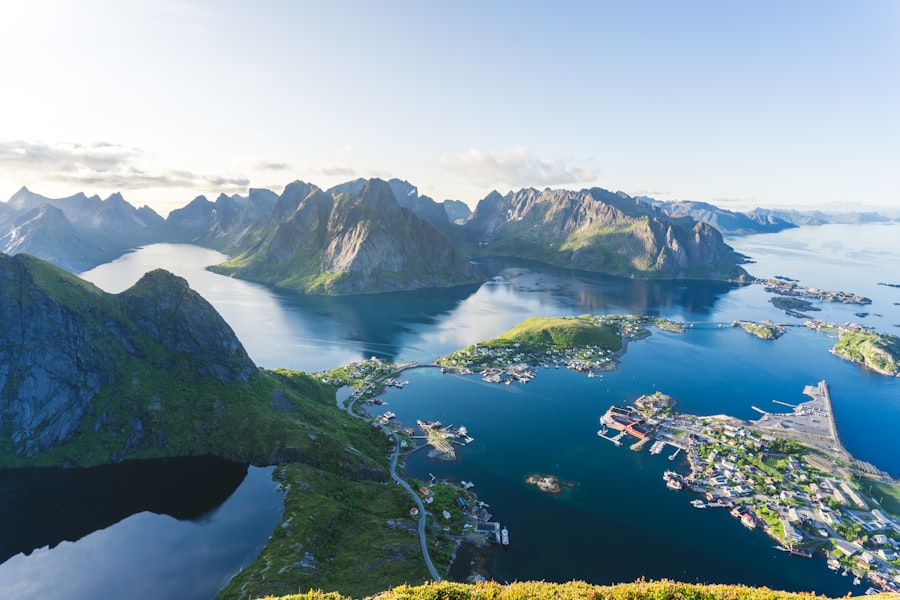
The Malacca Strait has long been recognized as one of the busiest maritime corridors in the world, serving as a critical link between the Indian Ocean and the South China Sea. Its strategic location makes it an attractive alternative route for vessels seeking to bypass longer journeys through traditional channels. The potential of the Malacca Strait as an alternative route is particularly appealing in light of increasing congestion in other shipping lanes.
By utilizing this strait, ships can significantly reduce transit times and fuel consumption, ultimately leading to lower shipping costs.
With numerous ports and navigational aids in place, vessels can navigate this route with greater ease and safety compared to the unpredictable conditions of the Arctic.
The strait’s proximity to major economic hubs in Southeast Asia also enhances its appeal as a viable alternative for global trade. As shipping companies seek to optimize their operations, exploring the potential of the Malacca Strait becomes an increasingly attractive proposition.
The Environmental Impact of Arctic Navigation
The environmental implications of navigating the Arctic are profound and multifaceted. As shipping traffic increases in this fragile ecosystem, concerns about pollution, habitat disruption, and climate change intensify. The Arctic is home to unique wildlife and delicate ecosystems that are already under threat from rising temperatures and melting ice.
Increased maritime activity could exacerbate these challenges, leading to irreversible damage to the region’s biodiversity. Moreover, oil spills and other accidents pose significant risks to the Arctic environment. The remote nature of this region complicates response efforts, making it difficult to contain spills or mitigate their effects on marine life.
As such, any plans for increased navigation in the Arctic must prioritize environmental protection and sustainability. This includes implementing stringent regulations on shipping practices and investing in research to better understand the ecological impacts of increased maritime activity.
Navigational Considerations for Arctic Routes
| Route | Distance (nautical miles) | Average Transit Time (days) | Seasonal Accessibility | Icebreaker Requirement | Environmental Risks | Typical Cargo Types | Geopolitical Considerations |
|---|---|---|---|---|---|---|---|
| Malacca Strait | 4,000 | 12-15 | Year-round | No | Piracy, Congestion | Containers, Oil, Bulk | High traffic, Territorial disputes |
| Arctic Route (Northern Sea Route) | 2,500 | 7-10 | June to November (summer months) | Often required | Ice hazards, Environmental sensitivity | Oil, Gas, Bulk, Containers | Russian control, Limited infrastructure |
Navigational considerations are paramount when it comes to traversing Arctic waters. The region’s unique geography presents a host of challenges that require careful planning and execution. Ice formations can vary dramatically from season to season, necessitating real-time monitoring and adaptive navigation strategies.
Additionally, visibility can be severely limited during winter months due to prolonged darkness and harsh weather conditions. To navigate these challenges effectively, vessels must be equipped with advanced technology and skilled personnel trained in Arctic navigation techniques. Icebreakers play a crucial role in facilitating safe passage through icy waters, while satellite navigation systems provide essential data for route planning.
Furthermore, understanding local currents and weather patterns is vital for ensuring safe navigation in this unpredictable environment. As such, comprehensive training and investment in technology are essential components of successful Arctic navigation.
The Economic Implications of Utilizing the Malacca Strait
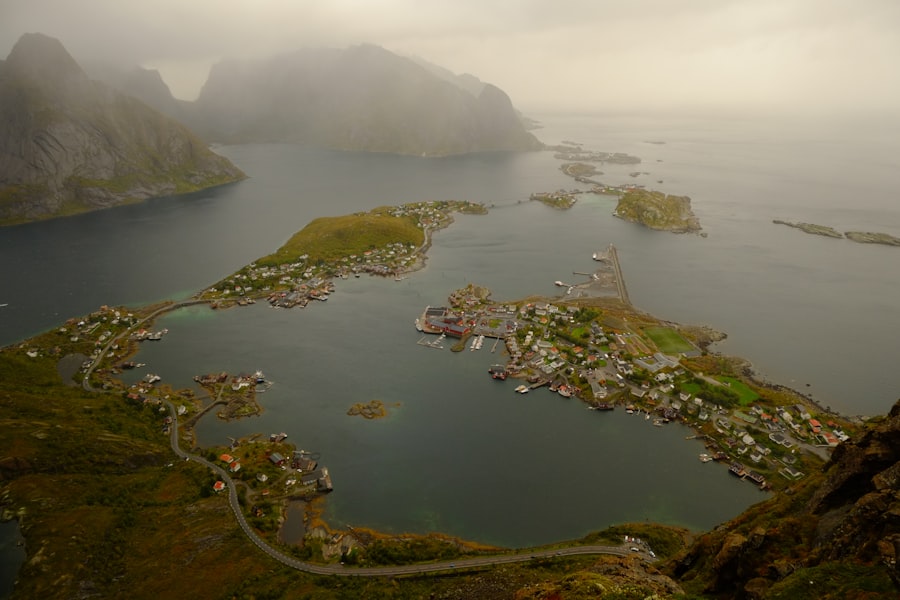
Utilizing the Malacca Strait as an alternative route carries significant economic implications for global trade. By providing a shorter passage between major markets, this strait can help reduce shipping costs and transit times for companies engaged in international trade. The economic benefits extend beyond individual shipping companies; nations that invest in enhancing their maritime infrastructure along this route stand to gain from increased trade volumes and economic growth.
Moreover, the Malacca Strait’s strategic location positions it as a key player in regional trade dynamics. Countries in Southeast Asia can leverage their proximity to this vital corridor to strengthen economic ties with global markets. This could lead to increased foreign investment and job creation within these nations as they capitalize on their geographical advantages.
In this context, exploring the economic implications of utilizing the Malacca Strait becomes essential for policymakers seeking to enhance their countries’ competitiveness in an increasingly globalized economy.
Political and Diplomatic Considerations for Arctic Navigation
The political landscape surrounding Arctic navigation is complex and multifaceted. As nations vie for access to new shipping routes and resources in this region, geopolitical tensions can arise. The Arctic is home to several countries with competing territorial claims, leading to potential conflicts over navigation rights and resource exploitation.
Navigating these political waters requires careful diplomacy and collaboration among Arctic nations. International agreements play a crucial role in shaping the future of Arctic navigation. Treaties such as the United Nations Convention on the Law of the Sea (UNCLOS) provide a framework for resolving disputes over territorial claims and establishing guidelines for responsible resource management.
However, enforcement remains a challenge, particularly in a region characterized by limited governance structures. As such, fostering dialogue and cooperation among Arctic nations is essential for ensuring safe and sustainable navigation in this sensitive area.
Technological Advancements for Arctic Navigation
Technological advancements are transforming the landscape of Arctic navigation, offering new tools and solutions to address its unique challenges. Innovations in satellite technology have improved real-time monitoring of ice conditions, enabling vessels to make informed decisions about their routes. Additionally, advancements in icebreaker technology have enhanced ships’ capabilities to navigate through challenging icy waters safely.
Moreover, autonomous vessels are emerging as a potential game-changer for Arctic navigation. These unmanned ships can operate with minimal human intervention, reducing risks associated with crew safety in harsh environments. As technology continues to evolve, it holds promise for improving efficiency and safety in Arctic navigation while minimizing environmental impacts.
Embracing these advancements will be crucial for ensuring that future maritime operations in the Arctic are both effective and sustainable.
Safety Measures for Arctic Navigation
Safety measures are paramount when navigating the treacherous waters of the Arctic. Given the extreme conditions and potential hazards associated with this region, comprehensive safety protocols must be established and adhered to by all vessels operating in these waters. This includes conducting thorough risk assessments before embarking on journeys through icy regions and ensuring that crews are adequately trained in emergency response procedures.
Additionally, implementing robust communication systems is essential for maintaining contact with other vessels and shore-based support during navigation. Real-time weather updates and ice condition reports can significantly enhance situational awareness and decision-making capabilities for ship captains navigating through challenging environments. By prioritizing safety measures, shipping companies can mitigate risks associated with Arctic navigation while protecting their crews and vessels.
The Role of International Cooperation in Arctic Navigation
International cooperation is vital for addressing the challenges associated with Arctic navigation effectively. Given the shared interests of multiple nations in this region, collaborative efforts are essential for establishing guidelines that promote safe and sustainable maritime practices. Organizations such as the Arctic Council play a crucial role in facilitating dialogue among member states and fostering cooperation on issues related to navigation, environmental protection, and resource management.
Furthermore, joint research initiatives can enhance understanding of the Arctic environment and inform decision-making regarding navigation practices. By pooling resources and expertise, countries can develop comprehensive strategies that address both economic interests and environmental concerns in this fragile region. Ultimately, fostering international cooperation will be key to ensuring that Arctic navigation evolves responsibly while benefiting all stakeholders involved.
The Future of Navigating the Arctic: A Malacca Strait Alternative
As global trade continues to evolve, navigating the Arctic presents both opportunities and challenges that must be carefully balanced. While alternative routes like the Malacca Strait offer promising solutions to congestion in traditional shipping lanes, they also raise important questions about environmental sustainability and geopolitical dynamics. The future of navigating the Arctic will depend on how effectively nations can collaborate to address these complexities while prioritizing safety and environmental protection.
In conclusion, exploring alternative routes such as the Malacca Strait highlights the need for innovative solutions in an ever-changing global landscape. By embracing technological advancements, fostering international cooperation, and prioritizing safety measures, stakeholders can navigate these waters responsibly while unlocking new economic opportunities. The future of Arctic navigation may very well hinge on finding a harmonious balance between efficiency and sustainability as nations seek to chart a course through this uncharted territory.
The Arctic route is increasingly being considered as a viable alternative to the Malacca Strait for shipping, particularly as climate change continues to open up new pathways.