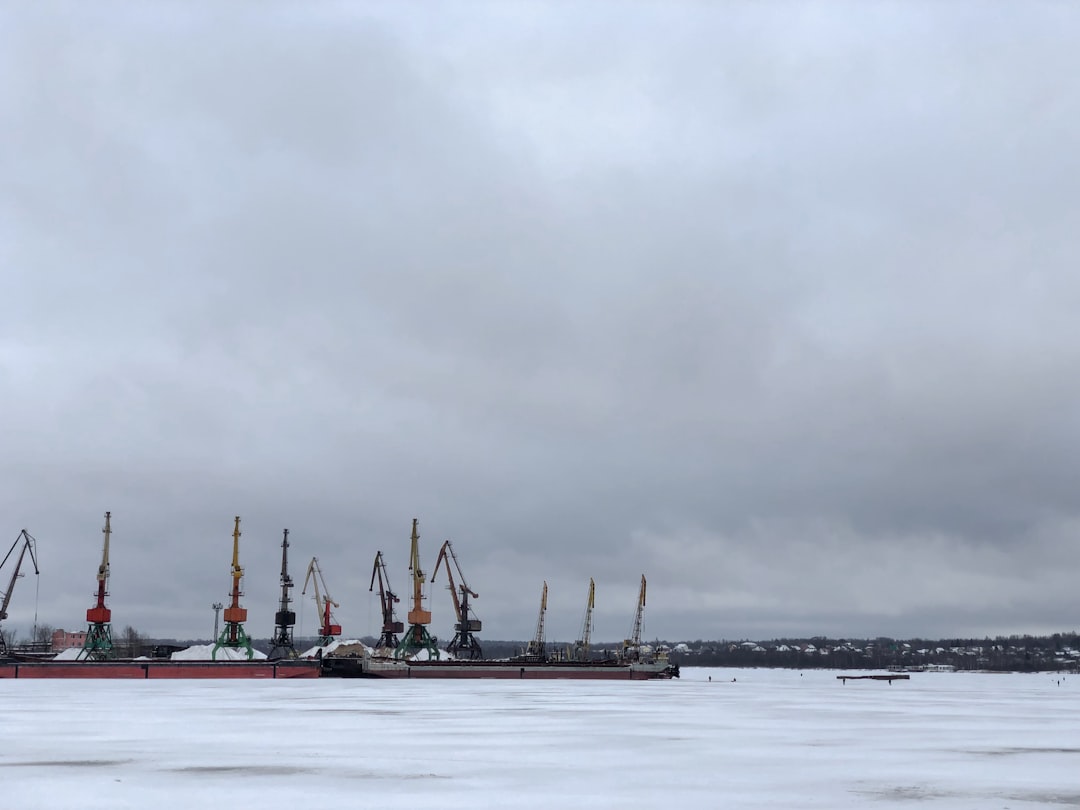
Arctic shipping has emerged as a significant topic of discussion in recent years, particularly as climate change continues to reshape the region’s landscape. The melting ice caps and thawing permafrost have opened new maritime routes, making the Arctic more accessible for commercial shipping. This newfound accessibility presents both opportunities and challenges, as nations and corporations seek to capitalize on shorter shipping routes that can reduce transit times and costs.
However, the implications of increased shipping activity in this fragile environment raise critical questions about sustainability, environmental protection, and the rights of Indigenous peoples who have inhabited these lands for millennia. The Arctic is not merely a vast expanse of ice; it is a complex ecosystem that supports a diverse range of wildlife and Indigenous cultures. As shipping traffic increases, the potential for environmental degradation grows, prompting calls for stringent regulations and responsible practices.
The intersection of economic interests and environmental stewardship is at the forefront of discussions surrounding Arctic shipping, necessitating a careful examination of how to balance these often conflicting priorities. Understanding the dynamics of Arctic shipping is essential for stakeholders, including governments, corporations, Indigenous communities, and environmental organizations, as they navigate the future of this unique region.
Key Takeaways
- Arctic shipping is increasing, raising environmental and indigenous concerns.
- Strict environmental regulations aim to protect fragile Arctic ecosystems.
- Indigenous communities play a crucial role through knowledge and rights advocacy.
- Collaboration between industry and indigenous groups is key for sustainable practices.
- Balancing economic development with environmental protection remains a central challenge.
Environmental Regulations in the Arctic
The Arctic region is governed by a patchwork of international treaties and national laws aimed at protecting its delicate environment. The United Nations Convention on the Law of the Sea (UNCLOS) plays a pivotal role in establishing guidelines for maritime activities, including shipping. Additionally, organizations such as the Arctic Council have been instrumental in fostering cooperation among Arctic states to address environmental concerns.
These regulations are designed to mitigate the risks associated with increased shipping traffic, such as oil spills, pollution, and disturbances to marine life. Despite these frameworks, enforcement remains a significant challenge. The vastness of the Arctic and its remote locations make monitoring difficult, and many shipping companies operate under flags of convenience that may not adhere to stringent environmental standards.
As a result, there is an ongoing debate about the adequacy of current regulations and the need for more robust measures to protect the Arctic environment. Stakeholders are increasingly advocating for stricter guidelines that not only address immediate concerns but also consider long-term sustainability in the face of climate change.
Impact of Arctic Shipping on the Environment
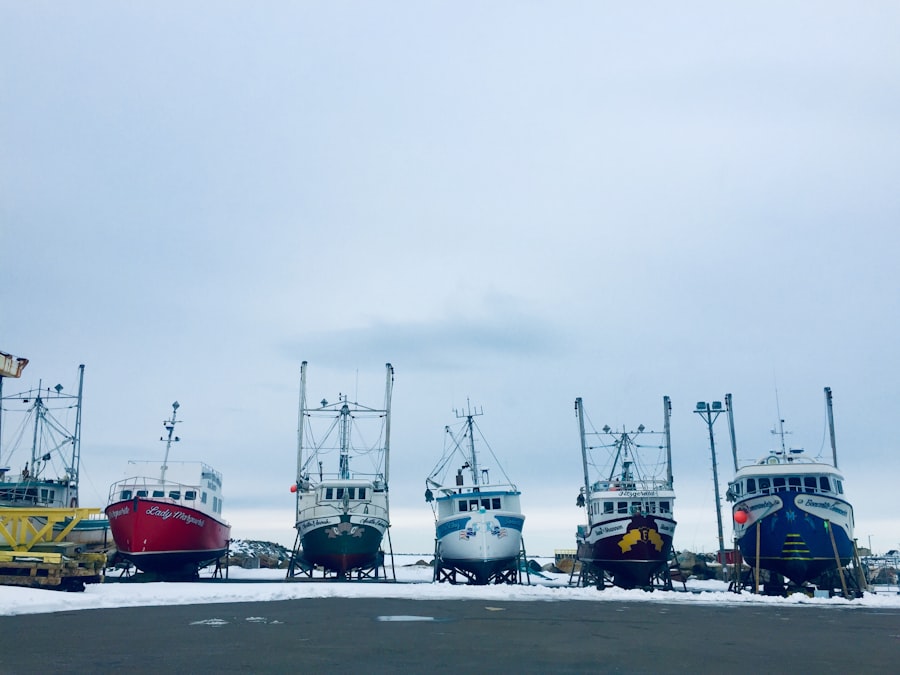
The environmental impact of Arctic shipping is profound and multifaceted. Increased vessel traffic poses risks such as oil spills, which can have devastating effects on marine ecosystems. The potential for accidents is heightened in icy waters where navigation can be treacherous.
Moreover, the emissions from ships contribute to air pollution and climate change, further exacerbating the very conditions that are opening up these routes. The delicate balance of Arctic ecosystems is threatened by invasive species that may hitch rides on ships, disrupting local biodiversity. In addition to direct environmental impacts, increased shipping activity can lead to disturbances in wildlife behavior.
The noise generated by ships can interfere with these vital behaviors, potentially leading to population declines. Furthermore, the presence of ships can disrupt traditional hunting practices for Indigenous communities who depend on these animals for sustenance.
As such, the environmental ramifications of Arctic shipping extend beyond ecological concerns; they also intersect with cultural and social dimensions that are critical to Indigenous ways of life.
Indigenous Involvement in Arctic Shipping
Indigenous communities have long been stewards of the Arctic environment, possessing invaluable knowledge about its ecosystems and resources. As shipping activity increases, these communities are increasingly being recognized as essential stakeholders in discussions about Arctic shipping. Their involvement is crucial not only for ensuring that their rights are respected but also for integrating traditional ecological knowledge into modern shipping practices.
This collaboration can lead to more sustainable approaches that honor both Indigenous traditions and contemporary economic needs. However, Indigenous involvement in Arctic shipping is not without challenges. Many communities feel marginalized in decision-making processes that directly affect their lands and waters.
There is often a disconnect between corporate interests and Indigenous rights, leading to tensions over resource management and environmental protection. To foster meaningful participation, it is essential for shipping companies and governments to engage with Indigenous leaders and incorporate their perspectives into planning and operations. This collaborative approach can help bridge gaps between different stakeholders and promote a more inclusive framework for Arctic shipping.
Indigenous Knowledge and Arctic Shipping
| Regulation/Metric | Description | Impact on Indigenous Communities | Enforcement Body | Year Implemented |
|---|---|---|---|---|
| Polar Code | International maritime safety and environmental regulations for ships operating in polar waters. | Reduces risk of oil spills and pollution affecting traditional hunting and fishing grounds. | International Maritime Organization (IMO) | 2017 |
| Arctic Council Guidelines | Recommendations for sustainable shipping practices to protect Arctic ecosystems. | Supports preservation of biodiversity critical to indigenous subsistence lifestyles. | Arctic Council | Ongoing since 1996 |
| Emission Control Areas (ECA) in Arctic | Limits on sulfur oxide (SOx) and nitrogen oxide (NOx) emissions from ships. | Improves air quality, benefiting indigenous health and wildlife. | International Maritime Organization (IMO) | Proposed, partial implementation ongoing |
| Indigenous Consultation Protocols | Mandates consultation with indigenous groups before approving shipping routes or projects. | Ensures indigenous voices are included in decision-making affecting their lands. | National Governments (e.g., Canada, Russia, USA) | Varies by country, generally since 2000s |
| Oil Spill Response Plans | Requirements for shipping companies to have contingency plans for oil spill incidents. | Protects marine and coastal environments vital to indigenous food sources. | National Maritime Authorities | Since early 2000s |
Indigenous knowledge encompasses a deep understanding of local ecosystems developed over generations through observation and experience. This knowledge is particularly relevant in the context of Arctic shipping, where traditional practices can inform sustainable navigation routes and environmental stewardship. Indigenous communities possess insights into seasonal changes, wildlife patterns, and ecological interdependencies that can enhance the safety and efficiency of shipping operations while minimizing environmental impacts.
Integrating Indigenous knowledge into Arctic shipping practices can also foster resilience in the face of climate change. As traditional lifestyles adapt to shifting environmental conditions, this knowledge can provide valuable guidance for navigating new challenges. By recognizing the importance of Indigenous perspectives, the shipping industry can develop more holistic approaches that respect cultural heritage while promoting economic development.
This synergy between traditional knowledge and modern practices has the potential to create innovative solutions that benefit both Indigenous communities and the broader maritime industry.
Indigenous Rights and Arctic Shipping
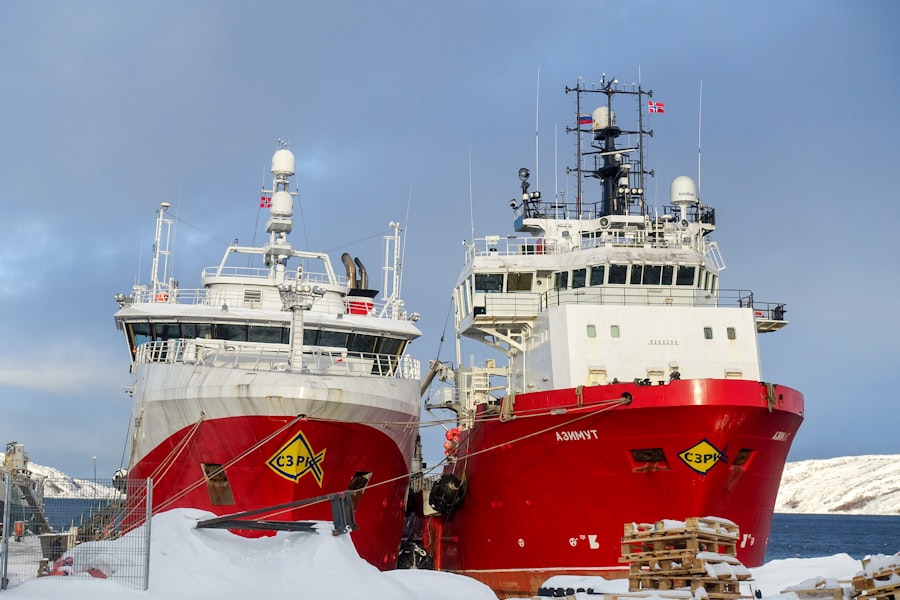
The rights of Indigenous peoples in the Arctic are enshrined in various international agreements, including the United Nations Declaration on the Rights of Indigenous Peoples (UNDRIP).
As commercial interests expand into Indigenous territories, it becomes imperative to uphold these rights to ensure that communities have a voice in decisions affecting their lands and resources.
Despite these protections, many Indigenous communities continue to face challenges in asserting their rights amid increasing shipping activity. There are often legal and bureaucratic hurdles that complicate their ability to engage meaningfully in consultations or negotiations with corporations and governments. Furthermore, historical injustices have left many communities wary of external actors who may prioritize profit over people.
To address these issues, it is essential for stakeholders to commit to genuine partnerships that respect Indigenous rights and prioritize their well-being in all aspects of Arctic shipping.
Collaboration between Indigenous Communities and Shipping Industry
Collaboration between Indigenous communities and the shipping industry is essential for fostering sustainable practices in the Arctic. By working together, both parties can identify shared goals that prioritize environmental protection while also addressing economic needs. This collaboration can take various forms, including joint ventures, co-management agreements, and community consultations that ensure Indigenous voices are heard throughout the decision-making process.
Successful partnerships have already emerged in some regions where Indigenous communities have taken active roles in monitoring shipping activities or providing guidance on best practices. These collaborations not only enhance environmental stewardship but also empower Indigenous peoples by creating economic opportunities within their communities. By recognizing the value of Indigenous knowledge and expertise, the shipping industry can build trust and foster long-term relationships that benefit both parties.
Challenges and Opportunities for Indigenous Involvement in Arctic Shipping
While there are numerous opportunities for Indigenous involvement in Arctic shipping, significant challenges remain. One major hurdle is the lack of resources available to many Indigenous communities for engaging with industry stakeholders effectively. Limited funding can hinder their ability to participate in consultations or conduct research necessary for informed decision-making.
Additionally, language barriers and differing worldviews can complicate communication between Indigenous peoples and corporate entities. Despite these challenges, there are also numerous opportunities for growth and collaboration. As global interest in sustainable practices increases, there is a growing recognition of the importance of incorporating Indigenous perspectives into environmental management strategies.
This shift presents an opportunity for Indigenous communities to advocate for their rights while contributing valuable insights into sustainable shipping practices. By leveraging their unique knowledge systems and fostering partnerships with industry players committed to responsible practices, Indigenous peoples can play a pivotal role in shaping the future of Arctic shipping.
Best Practices for Sustainable Arctic Shipping
To ensure that Arctic shipping is conducted sustainably, several best practices should be adopted by industry stakeholders. First and foremost is adherence to stringent environmental regulations that prioritize ecosystem protection while minimizing risks associated with increased vessel traffic. This includes implementing measures such as slow steaming to reduce emissions and adopting technologies that minimize noise pollution.
Furthermore, engaging with Indigenous communities throughout all stages of planning and operation is crucial for fostering sustainable practices. This collaboration should involve co-developing guidelines that reflect both traditional ecological knowledge and modern scientific research. Additionally, investing in research initiatives focused on understanding the impacts of shipping on local ecosystems will provide valuable data that can inform decision-making processes moving forward.
Future of Arctic Shipping and Indigenous Involvement
The future of Arctic shipping will undoubtedly be shaped by ongoing climate change trends and evolving geopolitical dynamics. As new routes open up due to melting ice caps, it is essential for stakeholders to prioritize sustainability while respecting Indigenous rights. The integration of Indigenous knowledge into shipping practices will be vital for navigating this complex landscape effectively.
Moreover, as global demand for resources continues to rise, there will be increasing pressure on Arctic ecosystems from commercial interests seeking access to untapped resources. To counterbalance this pressure, it will be imperative for governments and corporations to engage meaningfully with Indigenous communities to ensure their voices are heard in discussions about resource management and environmental protection.
Balancing Environmental Protection and Economic Development in Arctic Shipping
In conclusion, navigating the complexities of Arctic shipping requires a delicate balance between environmental protection and economic development. As commercial interests expand into this fragile region, it is essential to prioritize sustainability while respecting the rights of Indigenous peoples who have long been stewards of these lands. By fostering collaboration between industry stakeholders and Indigenous communities, it is possible to develop best practices that honor both traditional knowledge systems and modern technological advancements.
The future of Arctic shipping hinges on recognizing the interconnectedness of ecological health, cultural preservation, and economic opportunity. By embracing a holistic approach that values diverse perspectives, stakeholders can work together towards a sustainable future that benefits both people and the environment in this unique region of the world.
As the Arctic shipping routes become increasingly navigable due to climate change, the need for stringent environmental regulations is more pressing than ever. Indigenous communities in the region are particularly concerned about the impact of increased shipping traffic on their traditional ways of life and the fragile ecosystem. For a deeper understanding of the intersection between Arctic shipping, environmental regulations, and indigenous rights, you can read the article on this topic at