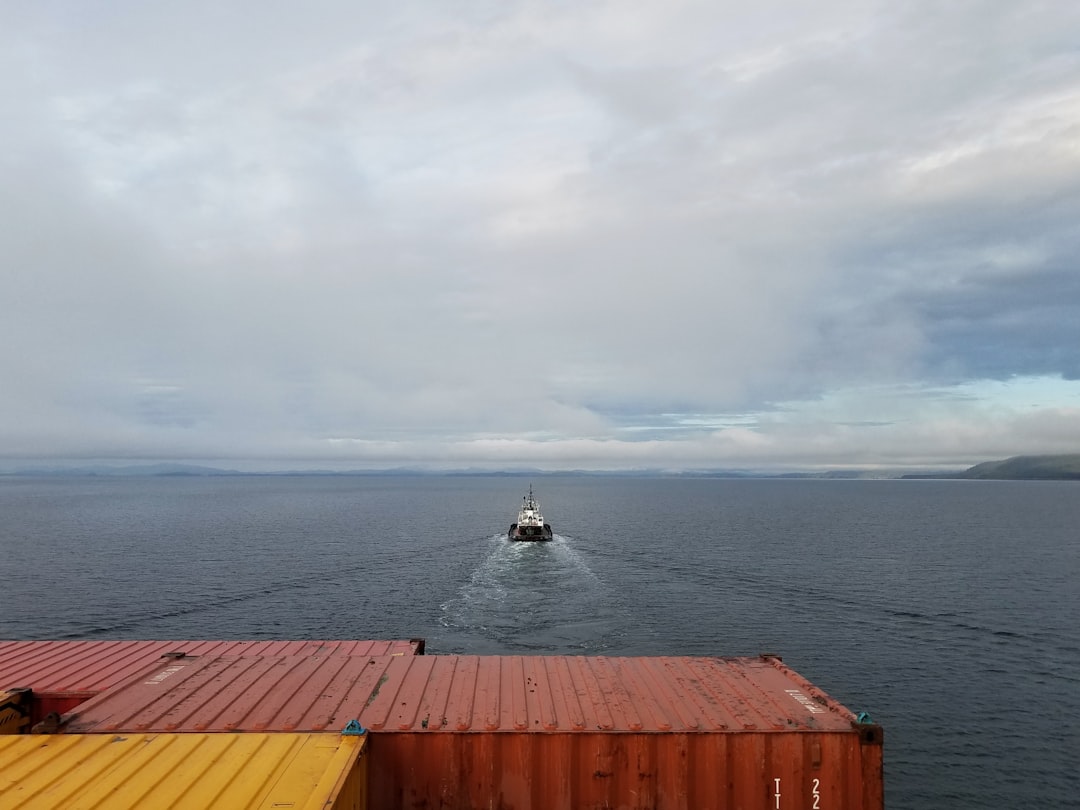
The Arctic region is experiencing significant changes in maritime shipping patterns due to climate change effects on sea ice coverage. Rising global temperatures have reduced ice thickness and extended ice-free periods, making previously inaccessible Arctic waters navigable for longer durations each year. This environmental shift has resulted in measurable increases in container shipping traffic through Arctic routes.
Several factors contribute to the growth in Arctic shipping activity. Economic considerations include reduced transit times between Asia and Europe compared to traditional routes through the Suez Canal. Technological improvements in ice-capable vessels and navigation systems have enhanced operational safety in Arctic conditions.
Additionally, various nations view Arctic shipping routes as strategically important for trade diversification and resource access. The expansion of Arctic shipping presents multiple challenges requiring careful consideration.
Social considerations involve effects on indigenous communities whose traditional ways of life depend on Arctic marine environments.
Key Takeaways
- Arctic shipping container throughput is emerging as a significant route due to melting ice and increased accessibility.
- Capacity is currently limited but expected to grow with advancements in infrastructure and technology.
- Major challenges include harsh weather, environmental risks, and limited port facilities.
- Environmental impacts are a critical concern, necessitating strict regulations and sustainable practices.
- International cooperation and involvement of indigenous communities are essential for safe, equitable, and effective Arctic shipping development.
Capacity of Arctic Shipping Container Throughput
The capacity for shipping container throughput in the Arctic is expanding rapidly, driven by advancements in maritime technology and changing climatic conditions. Historically, the Arctic was seen as a barrier to trade due to its icy waters and extreme weather. However, with the reduction of sea ice during summer months, shipping lanes such as the Northern Sea Route and the Northwest Passage are becoming viable options for transporting goods between Europe and Asia.
This shift not only shortens travel distances but also reduces fuel consumption and greenhouse gas emissions associated with traditional shipping routes. As shipping companies invest in ice-class vessels designed to navigate these challenging waters, the potential for increased throughput becomes evident. The Arctic’s unique geography allows for shorter transit times, which can significantly enhance supply chain efficiency.
Moreover, ports in the region are beginning to develop infrastructure capable of handling larger volumes of cargo. This includes the construction of new terminals and the enhancement of existing facilities to accommodate the growing demand for Arctic shipping services. The combination of technological innovation and infrastructural development positions the Arctic as a key player in global trade networks.
Challenges of Arctic Shipping Container Throughput
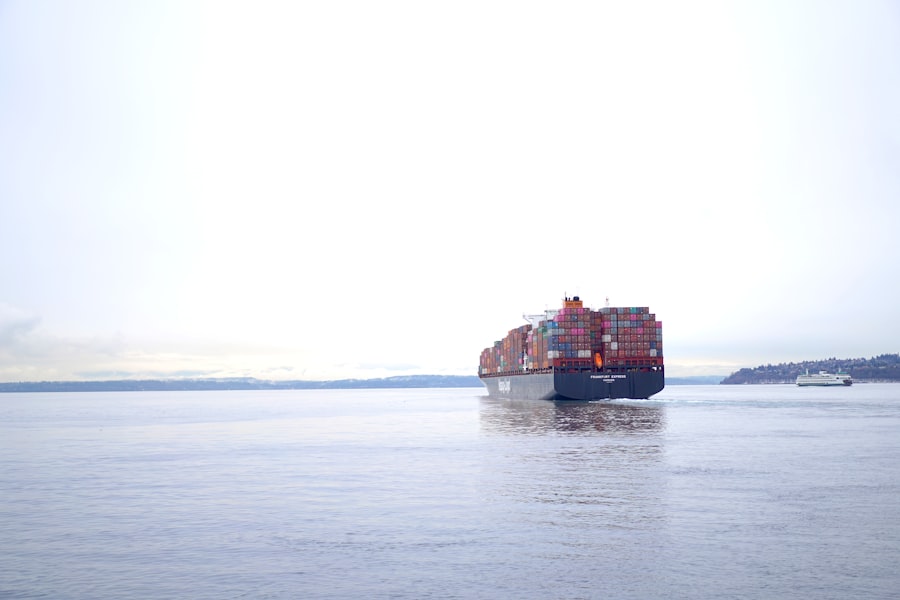
Despite the promising prospects for Arctic shipping container throughput, numerous challenges persist that could hinder its growth. One of the most pressing issues is the unpredictable nature of Arctic weather. The region is notorious for its sudden storms and shifting ice patterns, which can pose significant risks to vessels navigating these waters.
Shipping companies must invest in advanced weather forecasting technologies and ice navigation systems to mitigate these risks effectively. Additionally, the remoteness of many Arctic locations complicates logistics, making it difficult to ensure timely deliveries and maintain supply chain integrity. Another challenge lies in the limited infrastructure available in the Arctic.
While some ports are being developed, many areas still lack adequate facilities to support increased shipping activity. This includes not only physical infrastructure but also services such as pilotage, tug assistance, and emergency response capabilities. The harsh environment can also lead to higher operational costs, as vessels require specialized equipment and crews trained to handle extreme conditions.
Addressing these challenges will be crucial for realizing the full potential of Arctic shipping container throughput.
Environmental Impact of Arctic Shipping Container Throughput
The environmental implications of increased shipping activity in the Arctic are a significant concern for scientists, policymakers, and indigenous communities alike. The fragile ecosystem of the Arctic is already under stress from climate change, and additional shipping traffic could exacerbate existing challenges. Increased vessel traffic raises the risk of oil spills, which can have devastating effects on marine life and coastal habitats.
Furthermore, emissions from ships contribute to air pollution and climate change, undermining efforts to protect this vulnerable region. In addition to direct environmental impacts, increased shipping activity can disrupt local wildlife and traditional ways of life for indigenous populations. The noise generated by vessels can interfere with marine mammals’ communication and navigation, while increased human activity can lead to habitat degradation.
As such, it is imperative that stakeholders prioritize environmental assessments and adopt sustainable practices in Arctic shipping operations. This includes implementing stricter regulations on emissions and ensuring that shipping routes are designed to minimize ecological disruption.
Infrastructure and Technology for Arctic Shipping Container Throughput
| Year | Arctic Shipping Container Throughput (TEU) | Annual Growth Rate (%) | Key Arctic Ports | Ice-Free Navigation Days |
|---|---|---|---|---|
| 2020 | 15,000 | — | Murmansk, Arkhangelsk | 90 |
| 2021 | 18,500 | 23.3 | Murmansk, Arkhangelsk, Tiksi | 95 |
| 2022 | 22,000 | 18.9 | Murmansk, Arkhangelsk, Tiksi, Sabetta | 100 |
| 2023 | 27,000 | 22.7 | Murmansk, Arkhangelsk, Tiksi, Sabetta, Nome | 105 |
| 2024 (Projected) | 33,000 | 22.2 | Murmansk, Arkhangelsk, Tiksi, Sabetta, Nome, Nuuk | 110 |
The development of robust infrastructure and cutting-edge technology is essential for supporting Arctic shipping container throughput. As interest in this region grows, investments are being made in port facilities that can accommodate larger vessels and higher volumes of cargo. These developments include deep-water ports equipped with modern loading and unloading systems, as well as storage facilities designed to withstand extreme weather conditions.
Such infrastructure improvements are vital for ensuring that Arctic ports can compete with established shipping hubs in more temperate regions. Technological advancements also play a crucial role in enhancing safety and efficiency in Arctic shipping operations. Innovations such as autonomous vessels and advanced navigation systems are being explored to improve operational capabilities in challenging environments.
Additionally, real-time data analytics can help shipping companies optimize routes based on weather conditions and ice forecasts, further enhancing safety and reducing costs. By leveraging technology alongside infrastructure development, stakeholders can create a more resilient and efficient Arctic shipping network.
Economic Opportunities and Benefits of Arctic Shipping Container Throughput
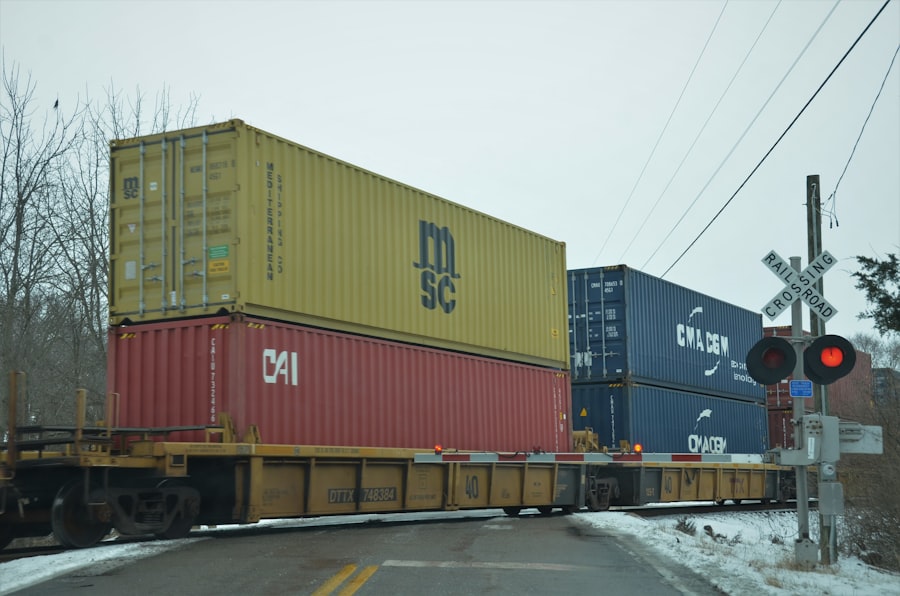
The economic opportunities presented by increased Arctic shipping container throughput are substantial. As new trade routes open up, businesses stand to benefit from reduced transportation costs and shorter delivery times. This can lead to lower prices for consumers and increased competitiveness for companies operating in global markets.
Furthermore, the development of Arctic shipping infrastructure can create jobs in construction, logistics, and maritime services, providing a much-needed boost to local economies. In addition to direct economic benefits, increased shipping activity can stimulate investment in related sectors such as tourism and resource extraction. The potential for tourism in the Arctic is significant, with travelers drawn to its unique landscapes and wildlife.
Moreover, as shipping routes become more accessible, resource-rich areas may attract investment for mining and oil exploration. However, it is essential that these economic opportunities are pursued responsibly, ensuring that they do not come at the expense of environmental sustainability or indigenous rights.
Regulatory and Legal Considerations for Arctic Shipping Container Throughput
Navigating the regulatory landscape surrounding Arctic shipping container throughput presents a complex challenge for stakeholders involved in this burgeoning industry. The legal framework governing maritime activities in the Arctic is shaped by a combination of international treaties, national laws, and regional agreements. The United Nations Convention on the Law of the Sea (UNCLOS) plays a pivotal role in establishing guidelines for navigation and resource management in these waters.
However, differing interpretations of these regulations among Arctic nations can lead to disputes over territorial claims and resource rights. In addition to international law, national governments must develop comprehensive policies that address safety standards, environmental protection, and indigenous rights within their jurisdictions. This includes establishing clear guidelines for vessel operations in sensitive areas and ensuring that shipping companies adhere to best practices for environmental stewardship.
Collaborative efforts among Arctic nations will be essential for creating a cohesive regulatory framework that balances economic interests with environmental protection.
Security and Safety Concerns in Arctic Shipping Container Throughput
As shipping container throughput increases in the Arctic, security and safety concerns become paramount. The remote nature of the region poses unique challenges for law enforcement and emergency response efforts. Piracy remains a potential threat in some areas, while geopolitical tensions among Arctic nations could escalate as competition for resources intensifies.
Ensuring safe passage through these waters requires enhanced cooperation among nations to monitor maritime activities and respond effectively to incidents. Safety concerns also extend to the operational aspects of shipping in harsh conditions. The risk of accidents increases with more vessels navigating icy waters, necessitating rigorous training for crews and stringent safety protocols for ships operating in the region.
Additionally, contingency plans must be developed to address potential emergencies such as oil spills or vessel groundings. By prioritizing safety measures and fostering international collaboration on security issues, stakeholders can help mitigate risks associated with increased Arctic shipping activity.
Indigenous and Local Community Involvement in Arctic Shipping Container Throughput
The involvement of indigenous and local communities is crucial in shaping the future of Arctic shipping container throughput. These communities possess invaluable knowledge about the region’s ecosystems and cultural heritage, which can inform sustainable practices in shipping operations. Engaging indigenous populations in decision-making processes ensures that their rights are respected and their voices are heard as development unfolds.
Moreover, local communities stand to benefit from economic opportunities arising from increased shipping activity. By fostering partnerships between shipping companies and indigenous groups, stakeholders can create mutually beneficial arrangements that promote economic development while preserving cultural traditions. This collaborative approach not only enhances social equity but also contributes to more sustainable practices that protect the fragile Arctic environment.
International Collaboration and Cooperation in Arctic Shipping Container Throughput
International collaboration is essential for addressing the multifaceted challenges associated with Arctic shipping container throughput. Given the shared interests among Arctic nations in promoting safe navigation and protecting the environment, cooperative efforts can lead to more effective governance frameworks. Initiatives such as the Arctic Council provide platforms for dialogue among member states, facilitating discussions on best practices for sustainable shipping operations.
Furthermore, joint research projects can enhance understanding of environmental impacts and inform policy decisions related to shipping activities in the region. By pooling resources and expertise, countries can develop innovative solutions that address common challenges while promoting economic growth. Strengthening international cooperation will be vital for ensuring that Arctic shipping develops responsibly and equitably.
Future Outlook for Arctic Shipping Container Throughput
The future outlook for Arctic shipping container throughput is marked by both promise and uncertainty. As climate change continues to reshape the region’s landscape, opportunities for increased trade will likely expand further. However, this growth must be approached with caution; balancing economic interests with environmental protection will be critical for sustainable development.
Stakeholders must remain vigilant in addressing challenges related to safety, security, infrastructure development, and regulatory compliance as they navigate this evolving landscape. By fostering collaboration among governments, businesses, indigenous communities, and environmental organizations, a more sustainable model for Arctic shipping can emerge—one that respects both economic aspirations and ecological integrity while ensuring that future generations can enjoy this unique environment.
The increasing interest in Arctic shipping routes has led to discussions about the potential for enhanced container throughput capacity in the region. A related article that explores this topic in depth can be found at My GeoQuest, where the implications of climate change on shipping logistics and infrastructure are analyzed. This article provides valuable insights into how Arctic shipping could reshape global trade dynamics in the coming years.
FAQs
What is Arctic shipping container throughput capacity?
Arctic shipping container throughput capacity refers to the volume of shipping containers that can be handled, processed, and transported through Arctic ports and shipping routes within a given period. It measures the efficiency and capability of Arctic maritime infrastructure to support containerized cargo traffic.
Why is Arctic shipping container throughput capacity important?
It is important because increasing throughput capacity in the Arctic can facilitate international trade by providing shorter shipping routes between Asia, Europe, and North America. This can reduce transit times, fuel consumption, and shipping costs, while also promoting economic development in Arctic regions.
What factors influence Arctic shipping container throughput capacity?
Key factors include the availability and capability of port infrastructure, icebreaker support, navigational safety, seasonal ice conditions, vessel design, and regulatory frameworks. Environmental conditions such as sea ice thickness and weather also significantly impact throughput capacity.
How does climate change affect Arctic shipping container throughput capacity?
Climate change is leading to reduced sea ice coverage and longer ice-free periods in the Arctic, which can increase the navigability of Arctic shipping routes. This potentially enhances container throughput capacity by allowing more frequent and reliable shipping operations during extended seasons.
What are the main challenges to increasing Arctic shipping container throughput capacity?
Challenges include harsh environmental conditions, limited port infrastructure, high operational costs, regulatory restrictions, environmental protection concerns, and the need for specialized vessels capable of navigating icy waters.
Which Arctic routes are most relevant for container shipping?
The Northern Sea Route (along the Russian Arctic coast) and the Northwest Passage (through the Canadian Arctic Archipelago) are the primary Arctic shipping routes considered for container shipping due to their potential to shorten transit distances between major global markets.
Are there existing ports in the Arctic capable of handling container throughput?
Yes, there are several Arctic ports with container handling capabilities, such as Murmansk in Russia and Nuuk in Greenland. However, many Arctic ports currently have limited capacity and infrastructure compared to major global container ports.
What types of vessels are used for Arctic container shipping?
Specialized ice-class container ships designed to withstand ice conditions are used for Arctic shipping. These vessels have reinforced hulls and advanced navigation systems to operate safely in icy waters.
How does Arctic shipping container throughput capacity impact global trade?
By providing shorter and potentially faster shipping routes, increased Arctic container throughput capacity can reduce shipping times and costs, thereby influencing global supply chains and trade patterns, especially between Asia, Europe, and North America.
What environmental considerations are associated with Arctic container shipping?
Environmental concerns include the risk of oil spills, disturbance to marine ecosystems, emissions from vessels, and the impact on indigenous communities. Sustainable development and strict environmental regulations are critical to minimizing these impacts.