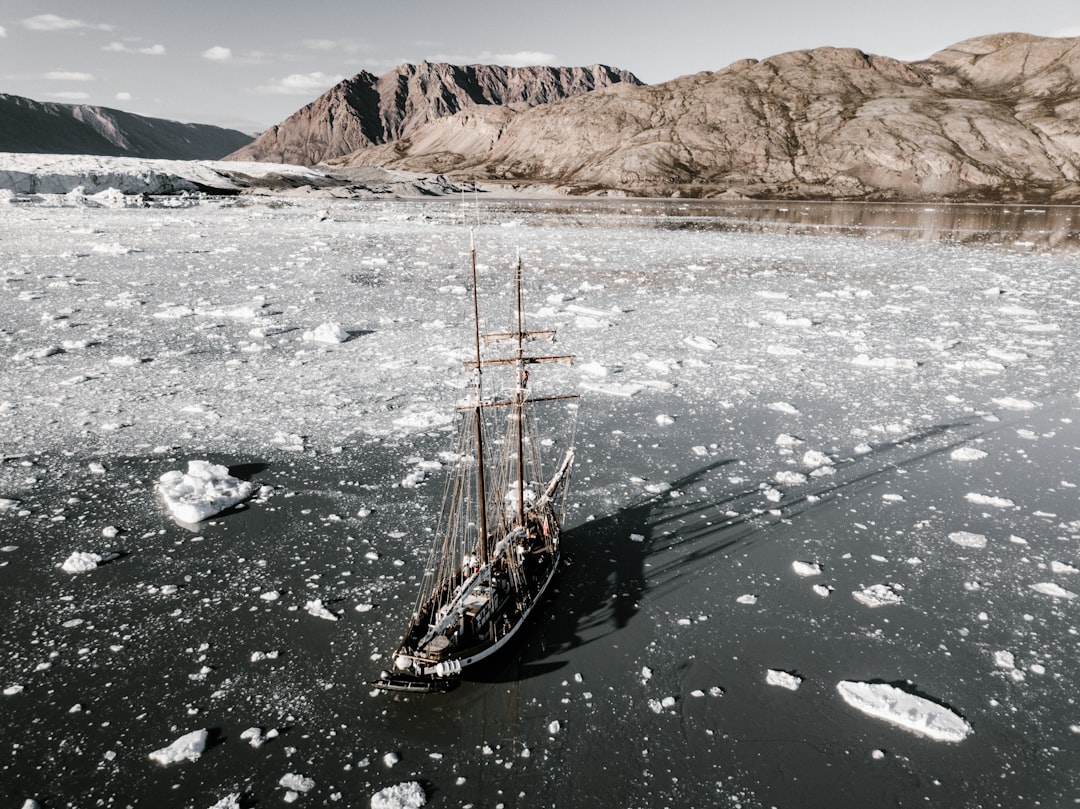
Navigating the frigid and often treacherous waters of the Arctic presents a unique set of challenges that require specialized knowledge, skills, and technology. The Arctic region, characterized by its extreme weather conditions, shifting ice patterns, and remote locations, has become increasingly significant due to climate change and the opening of new shipping routes. As the ice melts, opportunities for trade and exploration are expanding, prompting a surge in maritime activity.
However, this newfound accessibility comes with a host of risks that must be carefully managed to ensure safe and efficient navigation. The complexities of Arctic navigation are not merely logistical; they encompass environmental, technological, and regulatory dimensions. Mariners must contend with unpredictable weather patterns, icebergs, and the potential for equipment failure in harsh conditions.
As such, understanding the intricacies of navigating these waters is essential for ensuring the safety of vessels and their crews. This article delves into the myriad challenges faced in Arctic navigation, the role of technology in overcoming these obstacles, and the implications of technology failures in this fragile environment.
Key Takeaways
- Navigating Arctic waters presents unique challenges due to extreme weather, ice conditions, and remote locations.
- Advanced technology is crucial for safe navigation but is prone to failures in harsh Arctic environments.
- Technology failures can lead to significant environmental damage and safety risks for vessels and crews.
- Preventative strategies include robust technology design, regular maintenance, and adherence to strict regulations and standards.
- Future improvements and international collaboration are essential to enhance technology reliability and ensure safer Arctic navigation.
Challenges of Navigating Arctic Waters
The challenges of navigating Arctic waters are multifaceted and can vary significantly depending on the season and specific geographic location. One of the most pressing issues is the presence of sea ice, which can obstruct shipping routes and pose hazards to vessels. Ice conditions can change rapidly, making it difficult for navigators to predict safe passages.
Additionally, the thickness and type of ice can vary widely, requiring different strategies for maneuvering through these icy barriers. Mariners must possess a deep understanding of ice behavior and be equipped with the appropriate tools to assess conditions accurately. Another significant challenge is the extreme weather that characterizes the Arctic region.
Harsh winds, low temperatures, and limited visibility can create perilous situations for even the most experienced crews. The remoteness of the Arctic also complicates rescue operations in case of emergencies. With limited infrastructure and support services available, a vessel in distress may find itself isolated for extended periods.
Importance of Technology in Navigating Arctic Waters
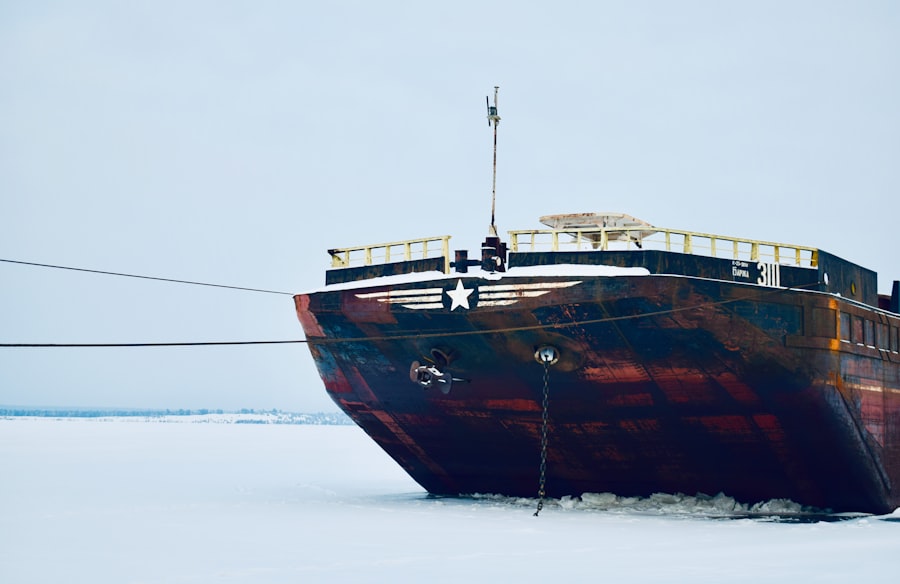
In light of the numerous challenges associated with Arctic navigation, technology plays a crucial role in enhancing safety and efficiency. Advanced navigation systems, such as GPS and radar, provide mariners with real-time data on their surroundings, allowing for informed decision-making. These technologies enable crews to track their positions accurately and navigate through complex ice formations with greater confidence.
Furthermore, satellite communications have revolutionized the way vessels operate in remote areas, facilitating constant contact with support teams and enabling timely updates on weather conditions. Moreover, technological advancements have led to the development of specialized icebreakers and vessels designed to withstand extreme conditions. These ships are equipped with reinforced hulls and powerful engines that allow them to navigate through thick ice safely.
The integration of artificial intelligence and machine learning into navigation systems is also on the rise, providing predictive analytics that can help mariners anticipate changes in ice patterns and weather conditions. As technology continues to evolve, its role in Arctic navigation will only become more critical.
Common Technology Failures in Arctic Waters
Despite the advancements in technology designed to aid navigation in Arctic waters, failures do occur, often with dire consequences. One common issue is equipment malfunction due to extreme cold temperatures. Instruments such as radar systems or GPS devices may become less reliable or even fail entirely when exposed to frigid conditions for extended periods.
This can lead to navigational errors that put vessels at risk of colliding with ice or other obstacles. Another frequent failure involves communication systems. In an environment where reliable communication is paramount for safety, disruptions can occur due to satellite connectivity issues or equipment breakdowns.
Such failures can leave crews without vital information about changing weather conditions or ice movements, increasing the likelihood of accidents. The consequences of these technology failures can be severe, underscoring the need for robust backup systems and contingency plans.
Case Studies of Technology Failures in Arctic Waters
| Year | Incident | Technology Failure | Impact | Location |
|---|---|---|---|---|
| 2013 | MV Clipper Adventurer grounding | GPS navigation system malfunction | Ship stranded, environmental risk | Arctic Archipelago, Canada |
| 2017 | Icebreaker Yamal communication failure | Satellite communication outage | Loss of contact, delayed rescue response | Laptev Sea, Russia |
| 2019 | Bulk carrier stuck in ice | Radar system failure in heavy ice | Extended ice entrapment, supply delays | Barents Sea |
| 2021 | Navigation system error on LNG tanker | Inaccurate ice chart data integration | Route deviation, increased fuel consumption | Beaufort Sea |
| 2023 | Autonomous vessel collision risk | Failure in AI-based obstacle detection | Near-miss incident, safety protocol review | Norwegian Arctic waters |
Several notable case studies illustrate the potential ramifications of technology failures in Arctic navigation. One such incident involved a research vessel that lost its GPS signal while traversing a particularly icy region. The crew relied heavily on their navigation system to chart a safe course; however, when the signal was lost, they found themselves disoriented and unable to determine their position accurately.
This led to a near-collision with an iceberg that could have resulted in catastrophic consequences. Another case involved a cargo ship that experienced a complete failure of its communication systems during a severe storm.
Fortunately, they managed to navigate to safety using traditional navigational techniques; however, this incident highlighted the vulnerabilities inherent in relying solely on modern technology without adequate backup measures.
Environmental and Safety Implications of Technology Failures

The environmental implications of technology failures in Arctic waters are profound and far-reaching. A vessel that loses navigational control due to equipment malfunction may inadvertently cause oil spills or other forms of pollution that threaten fragile ecosystems. The Arctic is home to unique wildlife and delicate habitats that can be irreparably damaged by human activity.
Therefore, ensuring that technology functions reliably is not just a matter of safety for crews but also a critical consideration for environmental protection. Safety implications are equally significant. When technology fails, it can lead to accidents that endanger not only those on board but also other vessels operating in the vicinity.
The potential for loss of life is a stark reality in such scenarios, making it imperative for maritime operators to prioritize reliability in their technological investments. The consequences of accidents can extend beyond immediate safety concerns; they can also result in legal repercussions and damage to reputations within the maritime industry.
Strategies for Preventing Technology Failures in Arctic Waters
To mitigate the risks associated with technology failures in Arctic navigation, several strategies can be employed. First and foremost is the importance of regular maintenance and testing of equipment before embarking on voyages. Ensuring that all navigational tools are functioning optimally can prevent many issues from arising during critical moments at sea.
Additionally, crews should be trained not only in using advanced technologies but also in traditional navigation techniques as a backup. Another effective strategy involves investing in redundancy systems for critical equipment. For instance, having multiple communication channels or backup navigation systems can provide essential support if primary systems fail.
Furthermore, incorporating real-time monitoring systems that alert crews to potential malfunctions can enhance situational awareness and allow for timely interventions before problems escalate.
Role of Regulations and Standards in Preventing Technology Failures
Regulatory frameworks play a vital role in establishing standards for technology used in Arctic navigation. Organizations such as the International Maritime Organization (IMO) set guidelines that govern vessel design, equipment requirements, and operational protocols aimed at enhancing safety in polar regions. Compliance with these regulations ensures that vessels are equipped with reliable technology capable of functioning under extreme conditions.
Moreover, ongoing collaboration between governments, industry stakeholders, and research institutions is essential for developing new standards that address emerging challenges in Arctic navigation. As climate change continues to alter ice patterns and open new shipping routes, regulations must evolve to reflect these changes and ensure that safety remains paramount.
Future Developments in Technology for Navigating Arctic Waters
Looking ahead, future developments in technology promise to further enhance navigation capabilities in Arctic waters. Innovations such as autonomous vessels are being explored as potential solutions to some of the challenges faced by mariners in this region. These unmanned ships could operate with minimal human intervention while utilizing advanced sensors and artificial intelligence to navigate safely through icy waters.
Additionally, improvements in satellite technology are expected to enhance communication capabilities even further. Enhanced connectivity will allow vessels to receive real-time updates on weather conditions and ice movements from remote monitoring stations or satellites orbiting above the Arctic region. Such advancements could significantly reduce the risks associated with navigating these challenging waters.
Collaborative Efforts to Address Technology Failures in Arctic Waters
Addressing technology failures in Arctic navigation requires collaborative efforts among various stakeholders. Governments, industry leaders, researchers, and environmental organizations must work together to share knowledge and resources aimed at improving safety standards and technological reliability. Initiatives such as joint training exercises can help crews prepare for emergencies while fostering a culture of cooperation among different maritime operators.
Furthermore, partnerships between private companies and research institutions can drive innovation by facilitating research into new technologies specifically designed for Arctic conditions. By pooling expertise and resources, stakeholders can develop solutions that address existing challenges while anticipating future needs as maritime activity in the region continues to grow.
Conclusion and Recommendations for Navigating Arctic Waters
Navigating Arctic waters presents a complex array of challenges that require careful consideration and preparation. While advancements in technology have significantly improved safety and efficiency, failures still occur with potentially devastating consequences for both human life and the environment. To mitigate these risks, it is essential for maritime operators to prioritize regular maintenance of equipment, invest in redundancy systems, and ensure crews are well-trained in both modern technologies and traditional navigation techniques.
Moreover, adherence to regulatory standards is crucial for maintaining safety across the industry as it adapts to changing conditions in the Arctic region. Collaborative efforts among stakeholders will be vital for addressing existing challenges while fostering innovation that enhances navigational capabilities moving forward. By taking proactive measures now, those involved in Arctic navigation can help ensure safer voyages while protecting one of the planet’s most vulnerable ecosystems for generations to come.
Recent discussions surrounding the challenges of Arctic shipping navigation have highlighted significant technology failures that can jeopardize safety and efficiency in these treacherous waters. For a deeper understanding of the implications of these failures, you can read more in the article available at this link. The article delves into the technological shortcomings and their potential impact on maritime operations in the Arctic region.
FAQs
What are common navigation technology failures in Arctic shipping?
Common navigation technology failures in Arctic shipping include GPS signal loss or degradation, radar malfunctions due to extreme cold or ice interference, and communication system breakdowns caused by harsh weather conditions.
Why is navigation technology critical for Arctic shipping?
Navigation technology is critical for Arctic shipping because the region has limited infrastructure, unpredictable ice conditions, and extreme weather, making accurate positioning and safe route planning essential to avoid accidents and environmental hazards.
What causes navigation technology failures in the Arctic?
Navigation technology failures in the Arctic are often caused by extreme cold temperatures, magnetic interference near the poles affecting compass and GPS accuracy, ice accumulation on sensors, and limited satellite coverage in high latitudes.
How do navigation failures impact Arctic shipping operations?
Navigation failures can lead to increased risk of collisions, groundings, delays, and environmental damage. They also complicate search and rescue operations and can result in higher operational costs and safety hazards for crew and cargo.
What measures are taken to mitigate navigation technology failures in Arctic shipping?
Mitigation measures include using redundant navigation systems, specialized Arctic-rated equipment, enhanced crew training, real-time ice monitoring, and integrating satellite and terrestrial navigation aids designed for polar conditions.
Are there specific technologies designed for Arctic navigation?
Yes, technologies such as ice radar, polar-orbiting satellite communication systems, inertial navigation systems, and augmented GPS with additional sensors are designed or adapted to improve reliability in Arctic conditions.
How does magnetic interference affect navigation in the Arctic?
Magnetic interference near the magnetic poles can cause compass errors, leading to inaccurate heading information. This necessitates reliance on alternative navigation methods or corrected magnetic data for safe navigation.
What role do satellites play in Arctic navigation?
Satellites provide GPS positioning, communication, and weather data essential for navigation. However, satellite coverage can be limited or less reliable at extreme northern latitudes, posing challenges for continuous navigation support.
Can human error contribute to navigation failures in the Arctic?
Yes, human error such as misinterpretation of navigation data, inadequate training on Arctic-specific systems, or failure to respond appropriately to technology alerts can contribute to navigation failures.
What future developments are expected to improve Arctic navigation technology?
Future developments include enhanced satellite systems with better polar coverage, improved sensor technology resistant to cold and ice, AI-based navigation aids, and integrated systems combining multiple data sources for more reliable Arctic navigation.