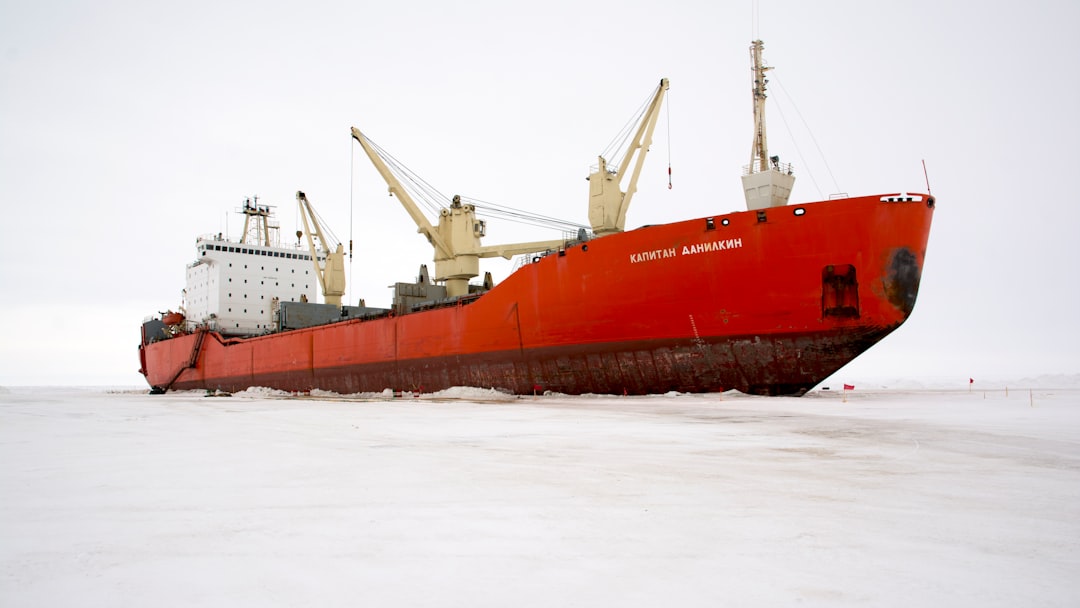
The Arctic region has gained strategic importance in global trade as melting sea ice creates new shipping opportunities. The Northern Sea Route along Russia’s coast and the Northwest Passage through the Canadian Arctic Archipelago offer shorter transit times between Asia and Europe compared to traditional routes through the Suez or Panama canals. However, Arctic shipping faces substantial operational challenges due to extreme weather conditions including severe storms, ice formation, and limited visibility periods.
Weather-related disruptions in Arctic shipping create measurable impacts on global supply chains. Delays in cargo delivery affect industries ranging from energy and mining to consumer goods manufacturing. When shipments carrying critical components are delayed, manufacturing facilities may experience production stoppages, resulting in missed delivery commitments and potential contract penalties.
These disruptions are particularly problematic for just-in-time manufacturing systems that operate with minimal inventory buffers. The economic consequences of Arctic weather delays extend beyond immediate shipping costs. Companies often resort to expensive alternative transportation methods, such as air freight or longer maritime routes, to maintain delivery schedules.
These contingency measures can increase logistics costs by 200-400% compared to standard shipping rates. Additionally, businesses are adapting their inventory management practices by maintaining larger safety stock levels, which increases warehousing costs and ties up working capital. The unpredictable nature of Arctic conditions requires companies to develop comprehensive risk mitigation strategies, including diversified shipping routes, flexible supplier networks, and enhanced weather monitoring systems to minimize supply chain vulnerabilities.
Key Takeaways
- Arctic shipping weather delays disrupt supply chains, causing significant operational and economic challenges.
- These delays lead to increased costs, affecting global trade and business profitability.
- Environmental concerns arise from prolonged shipping times and potential accidents in fragile Arctic ecosystems.
- Advanced technology and accurate weather forecasting are crucial for minimizing delays and enhancing safety.
- Legal, regulatory, and insurance frameworks play key roles in managing risks associated with Arctic shipping weather delays.
The Economic Consequences of Arctic Shipping Weather Delays
The economic ramifications of weather delays in Arctic shipping are profound and multifaceted. Companies may incur direct costs associated with rerouting shipments or employing air freight as a last resort to meet contractual obligations. These expenses can quickly accumulate, impacting profit margins and overall financial health.
Additionally, the uncertainty surrounding delivery timelines can deter investment in Arctic shipping routes, as businesses weigh the risks against potential rewards. This hesitance can stifle economic growth in regions that rely on these shipping lanes for trade and commerce. Furthermore, the broader economy can feel the effects of these delays.
Industries that depend on timely deliveries, such as manufacturing and retail, may experience disruptions that lead to reduced productivity and increased prices for consumers. The interconnected nature of global supply chains means that delays in one region can have far-reaching consequences, affecting markets and economies worldwide. As businesses grapple with these challenges, they may also face reputational damage if they fail to meet customer expectations, further complicating their economic landscape.
How Arctic Shipping Weather Delays Affect Business Operations
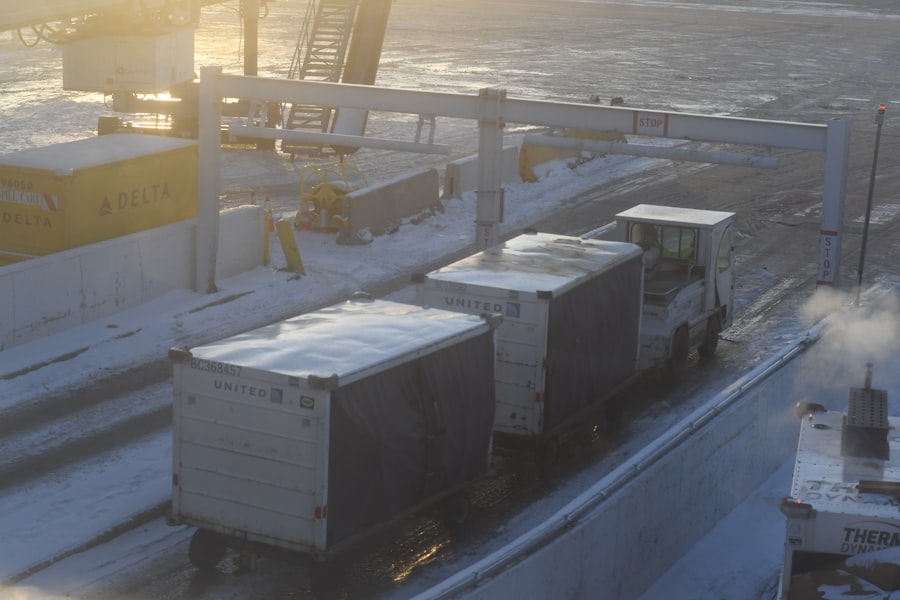
Business operations are intricately linked to the reliability of shipping schedules, and weather delays in the Arctic can create significant operational hurdles. Companies often rely on just-in-time inventory systems to minimize costs and maximize efficiency. However, when shipments are delayed due to adverse weather conditions, these systems can falter, leading to production slowdowns or even stoppages.
This disruption not only affects the immediate operations but can also have long-term implications for customer relationships and market positioning. In addition to production challenges, weather delays can strain workforce management. Companies may need to adjust labor schedules or even lay off temporary workers if production is halted for extended periods.
This unpredictability can lead to employee dissatisfaction and decreased morale, further complicating operational dynamics. As businesses strive to maintain efficiency in the face of these challenges, they must also consider the human element and the impact of weather-related disruptions on their workforce.
The Environmental Impact of Arctic Shipping Weather Delays
The environmental implications of Arctic shipping weather delays are significant and often overlooked. As shipping routes become more accessible due to climate change, the potential for increased maritime traffic raises concerns about ecological disruption. Weather delays can exacerbate these issues by forcing ships to linger longer in sensitive areas, increasing the risk of oil spills or other environmental accidents.
The delicate Arctic ecosystem is particularly vulnerable, and any additional stress from shipping activities can have lasting consequences.
As businesses seek to mitigate the impact of weather delays, they must also consider their environmental responsibilities and strive for sustainable practices that minimize harm to the Arctic region.
The Role of Technology in Mitigating Arctic Shipping Weather Delays
| Metric | Value | Unit | Notes |
|---|---|---|---|
| Average Weather Delay | 48 | hours | Typical delay due to storms and ice conditions |
| Annual Shipping Volume | 5,000 | TEU (Twenty-foot Equivalent Units) | Estimated container throughput via Arctic routes |
| Additional Fuel Costs | 15 | percent | Increase due to ice navigation and rerouting |
| Icebreaker Escort Fees | 120,000 | per voyage | Cost for mandatory icebreaker assistance |
| Average Insurance Premium Increase | 25 | percent | Due to higher risk of Arctic weather delays |
| Delay Cost per Day | 50,000 | per day | Estimated operational cost of delay |
| Seasonal Window for Arctic Shipping | 90 | days | Period with minimal ice coverage |
Technology plays a crucial role in addressing the challenges posed by weather delays in Arctic shipping. Advanced forecasting tools and satellite imagery can provide real-time data on weather conditions, allowing companies to make informed decisions about routing and scheduling. By leveraging technology, businesses can better anticipate potential disruptions and adjust their operations accordingly.
This proactive approach not only enhances efficiency but also reduces costs associated with unexpected delays. In addition to forecasting tools, innovations in vessel design and navigation systems are helping to improve safety and reliability in Arctic shipping. Ice-strengthened ships equipped with advanced navigation technology can better navigate treacherous waters, reducing the likelihood of delays caused by ice conditions or severe weather.
As technology continues to evolve, it holds the promise of transforming Arctic shipping into a more resilient and efficient operation.
Legal and Regulatory Implications of Arctic Shipping Weather Delays
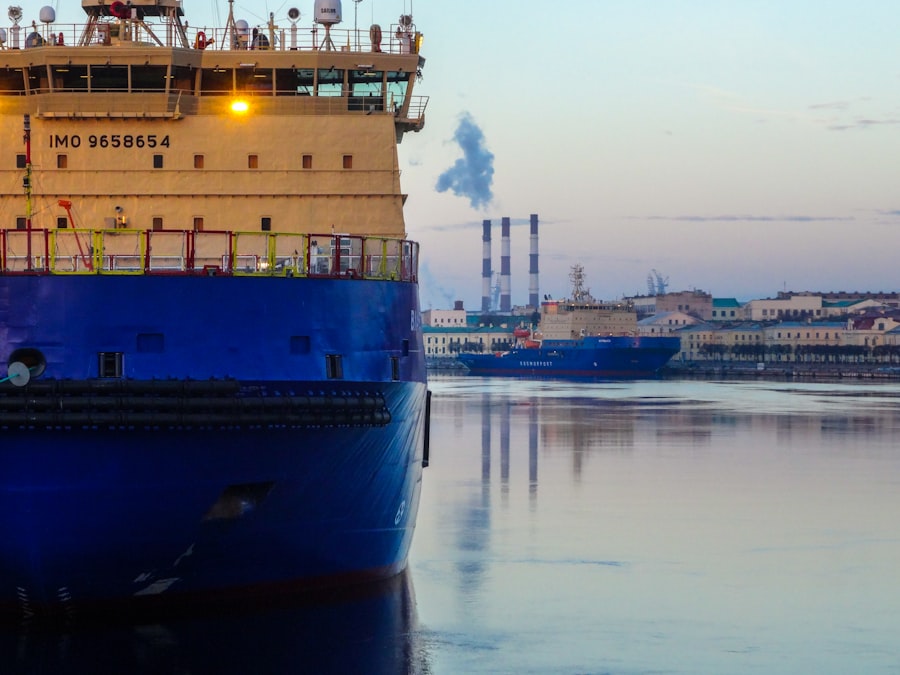
The legal landscape surrounding Arctic shipping is complex and evolving, particularly as climate change alters traditional shipping routes. Weather delays can raise a host of legal issues related to contracts, liability, and compliance with international regulations. Companies may find themselves navigating disputes over delivery timelines or facing penalties for failing to meet contractual obligations due to unforeseen weather conditions.
This uncertainty can create a challenging environment for businesses operating in the Arctic. Furthermore, regulatory frameworks governing Arctic shipping are still being developed, leading to potential gaps in oversight and enforcement. As more companies venture into this region, there is a pressing need for clear guidelines that address the unique challenges posed by weather delays.
Strategies for Managing and Mitigating Arctic Shipping Weather Delays
To effectively manage and mitigate the impact of weather delays in Arctic shipping, companies must adopt comprehensive strategies that encompass risk assessment, contingency planning, and collaboration with stakeholders. Conducting thorough risk assessments allows businesses to identify potential vulnerabilities within their supply chains and develop tailored strategies to address them. This proactive approach enables companies to respond swiftly when weather-related disruptions occur.
Collaboration with other stakeholders is equally important in navigating the complexities of Arctic shipping. By working together with logistics providers, government agencies, and environmental organizations, companies can share information and resources that enhance overall resilience against weather delays. Additionally, investing in flexible logistics solutions—such as multi-modal transportation options—can provide businesses with alternative routes and methods for delivering goods when faced with adverse weather conditions.
The Importance of Accurate Weather Forecasting for Arctic Shipping
Accurate weather forecasting is paramount for successful Arctic shipping operations. Given the region’s unpredictable climate patterns, having access to reliable forecasts enables companies to make informed decisions about routing and scheduling. Advanced meteorological models and satellite technology have improved forecasting capabilities significantly in recent years, allowing businesses to anticipate potential disruptions more effectively.
Moreover, integrating weather data into supply chain management systems can enhance operational efficiency by enabling real-time adjustments based on changing conditions. Companies that prioritize accurate forecasting are better positioned to navigate the challenges posed by weather delays while minimizing their impact on overall operations.
The Role of Insurance in Dealing with Arctic Shipping Weather Delays
Insurance plays a critical role in managing the risks associated with Arctic shipping weather delays. Companies often turn to specialized marine insurance policies that cover losses incurred due to unforeseen circumstances such as adverse weather conditions. These policies can provide financial protection against disruptions that may arise from delayed shipments or damaged cargo.
However, navigating insurance claims related to weather delays can be complex. Businesses must ensure they understand their coverage options and any exclusions that may apply. Additionally, maintaining thorough documentation of shipping conditions and communications with insurers is essential for successfully managing claims related to weather-related disruptions.
Case Studies of Companies Affected by Arctic Shipping Weather Delays
Several companies have experienced firsthand the challenges posed by weather delays in Arctic shipping. For instance, a major oil company faced significant setbacks when severe storms delayed shipments of equipment needed for offshore drilling operations. The resulting production halts not only impacted their bottom line but also strained relationships with stakeholders who relied on timely deliveries.
Another case involved a retail giant that relied on Arctic shipping routes for seasonal merchandise. Unexpected weather delays led to stock shortages during peak shopping periods, resulting in lost sales opportunities and diminished customer satisfaction. These case studies highlight the real-world implications of weather-related disruptions and underscore the need for robust strategies to mitigate their impact.
The Future of Arctic Shipping and Weather Delay Management
As climate change continues to reshape global trade routes, the future of Arctic shipping will likely be characterized by both opportunities and challenges related to weather delays. Companies must remain agile and adaptable as they navigate this evolving landscape while prioritizing sustainability and environmental stewardship. Investments in technology will play a pivotal role in enhancing resilience against weather-related disruptions.
By leveraging advanced forecasting tools, innovative vessel designs, and collaborative approaches, businesses can position themselves for success in an increasingly competitive market. Ultimately, effective management of weather delays will be essential for unlocking the full potential of Arctic shipping while safeguarding both economic interests and environmental integrity.
Arctic shipping has become increasingly significant due to changing climate conditions, but it also faces challenges such as weather delays that can escalate costs. For a deeper understanding of the implications of these delays on shipping routes and the overall economy, you can read more in this related article on MyGeoQuest: Arctic Shipping and Weather Delays.
FAQs
What causes weather delays in Arctic shipping?
Weather delays in Arctic shipping are primarily caused by extreme cold temperatures, sea ice coverage, snowstorms, fog, and rapidly changing weather conditions. These factors can reduce visibility, hinder navigation, and increase the risk of accidents.
How do weather delays impact the cost of Arctic shipping?
Weather delays increase operational costs by extending transit times, requiring additional fuel consumption, increasing crew labor hours, and sometimes necessitating icebreaker assistance. These factors contribute to higher overall shipping expenses.
What types of weather conditions are most challenging for Arctic shipping?
The most challenging weather conditions include thick sea ice, blizzards, freezing fog, strong winds, and sudden temperature drops. These conditions can obstruct shipping routes and complicate vessel maneuvering.
Are there specific seasons when Arctic shipping is more prone to weather delays?
Yes, Arctic shipping is more prone to weather delays during the winter months when sea ice is at its maximum extent and weather conditions are harshest. Summer months offer relatively better conditions but can still present challenges.
How do shipping companies mitigate weather-related delays in the Arctic?
Shipping companies use icebreaker escorts, advanced weather forecasting, route planning, and specially designed ice-class vessels to mitigate weather-related delays. They also monitor real-time ice conditions and adjust schedules accordingly.
Does climate change affect weather delays in Arctic shipping?
Climate change is altering Arctic weather patterns and sea ice coverage, which can both reduce and increase weather-related delays. While reduced ice may open new routes, unpredictable weather and ice conditions still pose significant challenges.
What are the economic implications of weather delays in Arctic shipping?
Weather delays can lead to increased shipping costs, disrupted supply chains, and higher insurance premiums. These economic impacts affect the profitability and reliability of Arctic maritime trade routes.
Is Arctic shipping more expensive than traditional shipping routes due to weather delays?
Generally, yes. The need for specialized vessels, icebreaker support, insurance, and the risk of weather delays make Arctic shipping more expensive compared to traditional routes, despite shorter distances in some cases.
What role do icebreakers play in reducing weather delays in Arctic shipping?
Icebreakers help clear paths through sea ice, enabling vessels to navigate more safely and efficiently. Their assistance can significantly reduce delays caused by heavy ice conditions.
Can technological advancements reduce weather-related delays in Arctic shipping?
Yes, advancements in satellite monitoring, ice forecasting, vessel design, and navigation systems improve the ability to predict and respond to weather conditions, thereby reducing delays and enhancing safety.