The Arctic Route encompasses two primary maritime passages: the Northern Sea Route along Russia’s Arctic coast and the Northwest Passage through the Canadian Arctic Archipelago. These shipping corridors connect Europe and Asia through Arctic waters, offering distances up to 40% shorter than traditional routes through the Suez or Panama Canals. Climate change has significantly reduced Arctic sea ice coverage, with summer ice extent declining by approximately 13% per decade since 1979.
This ice reduction has extended the navigable season and made previously inaccessible waters available for commercial shipping. The Northern Sea Route is now typically ice-free for 3-4 months annually, while the Northwest Passage remains more challenging due to persistent multi-year ice. The Arctic Route presents both economic opportunities and complex challenges.
Reduced shipping distances can lower fuel costs and transit times, potentially saving billions in global trade expenses. However, the region’s harsh conditions require specialized ice-class vessels, experienced crews, and enhanced safety equipment, increasing operational costs. Geopolitical considerations include competing territorial claims, particularly regarding the Northwest Passage’s legal status as either Canadian internal waters or an international strait.
Russia maintains strict control over the Northern Sea Route, requiring permits and icebreaker escorts for foreign vessels. The Arctic is estimated to contain 13% of global oil reserves and 30% of undiscovered natural gas, intensifying international interest in the region. Environmental concerns include risks to Arctic ecosystems from increased shipping traffic, potential oil spills in remote areas with limited cleanup capabilities, and impacts on marine mammals that depend on sea ice.
Indigenous communities rely on Arctic resources for subsistence and face disruption from increased maritime activity.
Key Takeaways
- The Arctic Route is gaining importance due to melting ice and new shipping opportunities.
- Historical exploration has shaped current geopolitical interests in the region.
- Key nations and stakeholders compete for control and access to Arctic resources.
- Economic benefits are balanced against significant environmental and indigenous community concerns.
- Future developments will influence global power dynamics and require international cooperation.
Historical context of the Arctic Route
The history of the Arctic Route is steeped in exploration and ambition. For centuries, explorers sought a passage through the Arctic, driven by the desire to find a shortcut to Asia. The quest for the Northwest Passage became emblematic of human curiosity and determination, with figures like Martin Waldseemüller and Sir John Franklin leading expeditions that would ultimately shape perceptions of the region.
These early endeavors were fraught with peril, as treacherous ice conditions and harsh weather often thwarted their efforts. Despite these challenges, the allure of a navigable route persisted, laying the groundwork for future exploration. In the 20th century, advancements in technology began to change the narrative surrounding the Arctic Route.
The advent of icebreakers and improved navigation systems made it increasingly feasible to traverse these icy waters. During the Cold War, the Arctic became a strategic battleground, with military interests overshadowing commercial aspirations. However, it was not until the late 20th century that climate change began to significantly impact the region, leading to unprecedented ice melt and opening up new possibilities for maritime trade.
This historical context underscores the evolving nature of the Arctic Route, reflecting humanity’s ongoing relationship with this remote and challenging environment.
Geopolitical significance of the Arctic Route
The geopolitical significance of the Arctic Route cannot be overstated. As nations vie for influence in this strategically important region, the stakes have never been higher. The melting ice has not only opened new shipping lanes but has also revealed vast reserves of oil, gas, and minerals beneath the seabed.
This has led to heightened competition among Arctic nations, each seeking to assert its claims over territorial waters and resources. The Arctic Route has become a focal point for national interests, with countries like Russia, Canada, and Norway positioning themselves as key players in this emerging arena. Moreover, the geopolitical landscape is further complicated by non-Arctic nations that are increasingly interested in accessing these routes for trade purposes.
Countries such as China have expressed ambitions to establish a presence in the Arctic, viewing it as a vital link in their Belt and Road Initiative. This influx of interest from outside powers raises questions about governance and cooperation in a region that has traditionally been dominated by Arctic states. As nations navigate their interests in this evolving geopolitical landscape, the Arctic Route stands as both a symbol of opportunity and a potential flashpoint for conflict.
Major players in the Arctic Route
The major players in the Arctic Route are a mix of Arctic and non-Arctic nations, each with distinct interests and strategies. Among the Arctic states, Russia has emerged as a dominant force, leveraging its extensive coastline and fleet of icebreakers to control access to the Northern Sea Route. The Russian government has invested heavily in infrastructure development along this route, promoting it as a viable alternative for global shipping.
Moscow’s assertive posture has raised concerns among its neighbors and other stakeholders about its intentions in the region. Canada also plays a crucial role in shaping the dynamics of the Arctic Route. With its own claims to the Northwest Passage, Canada emphasizes its sovereignty over these waters while balancing economic opportunities with environmental protection.
The United States, while not an Arctic nation in terms of territorial claims, remains deeply invested in Arctic affairs due to its strategic interests and military presence in Alaska. Additionally, non-Arctic nations like China and South Korea are increasingly involved in discussions about access to these routes, seeking partnerships and investments that could enhance their shipping capabilities.
Economic implications of the Arctic Route
| Country | Arctic Territory Claims | Military Presence | Shipping Route Control | Natural Resource Reserves | Geopolitical Influence |
|---|---|---|---|---|---|
| Russia | Largest Arctic coastline, claims extended continental shelf | Significant military bases and icebreaker fleet | Controls Northern Sea Route (NSR) | Vast oil, gas, and mineral reserves | Dominant regional power, strategic Arctic investments |
| United States | Alaska Arctic coast, disputes over extended shelf | Military installations in Alaska, increasing Arctic capabilities | Influence over Northwest Passage debated | Oil and gas reserves, limited mining | Strategic competitor, focuses on freedom of navigation |
| Canada | Claims Arctic Archipelago and extended continental shelf | Military presence in Arctic bases, patrols | Claims sovereignty over Northwest Passage | Mineral resources and potential hydrocarbons | Strong Arctic sovereignty advocate |
| Norway | Claims in Svalbard and surrounding waters | Military bases and Arctic patrols | Access to Barents Sea shipping lanes | Oil and gas fields in Barents Sea | Key NATO Arctic member, regional cooperation |
| China | No territorial claims, Arctic observer status | Limited military presence, increasing Arctic research | Invests in Northern Sea Route shipping and infrastructure | Interest in Arctic minerals and energy | Emerging Arctic player, promotes “Polar Silk Road” |
The economic implications of the Arctic Route are profound and multifaceted. As shipping companies look for ways to reduce transit times and costs, the Northern Sea Route presents an attractive alternative to traditional routes through the Suez Canal or around Cape Horn. The potential for significant savings on fuel and time could reshape global trade patterns, making it an appealing option for businesses looking to optimize their supply chains.
Furthermore, as more vessels navigate these waters, there is potential for increased economic activity in port cities along the route. However, this economic potential is not without its challenges. The harsh conditions of the Arctic environment pose risks to shipping operations, including unpredictable weather patterns and ice hazards that can disrupt schedules.
Additionally, there are concerns about infrastructure limitations in remote areas that may struggle to accommodate increased maritime traffic. Balancing economic growth with environmental sustainability will be crucial as stakeholders navigate these complexities.
Environmental concerns in the Arctic Route
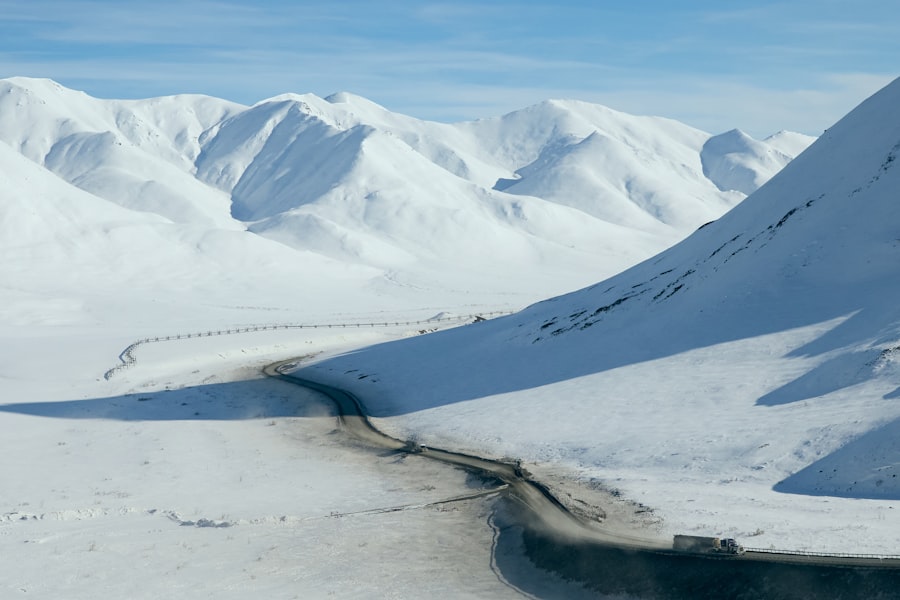
Environmental concerns surrounding the Arctic Route are paramount as increased shipping activity threatens to disrupt delicate ecosystems. The region is home to unique wildlife and habitats that are already under stress from climate change. The introduction of more vessels into these waters raises fears of oil spills, pollution, and disturbances to marine life.
As shipping traffic increases, so too does the risk of accidents that could have catastrophic consequences for both the environment and local communities. Moreover, climate change itself poses a significant threat to the Arctic ecosystem.
The potential for increased human activity in this fragile environment necessitates careful consideration of environmental regulations and protections. Stakeholders must prioritize sustainable practices that minimize harm while allowing for responsible economic development.
Military presence in the Arctic Route
The military presence in the Arctic Route has intensified as nations seek to assert their claims and protect their interests in this strategically important region. Russia has significantly bolstered its military capabilities in the Arctic over recent years, establishing new bases and conducting military exercises to demonstrate its readiness to defend its territorial claims. This militarization has raised alarms among other Arctic nations and NATO allies, prompting discussions about security cooperation and preparedness in response to potential threats.
The United States has also increased its military focus on the Arctic, recognizing its importance for national security. With strategic assets located in Alaska and ongoing concerns about Russian activities in the region, U.S. military officials have emphasized the need for enhanced readiness and collaboration with allies.
As tensions rise over territorial disputes and resource competition, maintaining a balance between military presence and diplomatic engagement will be crucial for ensuring stability in this sensitive area.
International law and the Arctic Route
International law plays a critical role in governing activities along the Arctic Route. The United Nations Convention on the Law of the Sea (UNCLOS) provides a framework for determining maritime boundaries and rights over resources in international waters. However, differing interpretations of UNCLOS have led to disputes among Arctic nations regarding territorial claims and navigation rights.
The complexity of these legal frameworks underscores the need for cooperation among states to address overlapping claims while ensuring safe passage for vessels navigating these waters. In addition to UNCLOS, regional agreements such as the Arctic Council facilitate dialogue among Arctic states on issues related to environmental protection, sustainable development, and indigenous rights. These platforms provide opportunities for collaboration but also highlight challenges related to enforcement and compliance with international norms.
As interest in the Arctic continues to grow, navigating these legal complexities will be essential for fostering cooperation while addressing competing national interests.
Indigenous communities and the Arctic Route
Indigenous communities play a vital role in shaping discussions about the Arctic Route due to their deep-rooted connections to the land and sea. For many Indigenous peoples, these waters are not merely transportation routes; they are integral to their cultural identity and way of life. As shipping traffic increases along the Arctic Route, there are growing concerns about how this will impact traditional practices such as hunting, fishing, and gathering.
Engaging Indigenous communities in decision-making processes is crucial for ensuring that their voices are heard and their rights respected. Many Indigenous leaders advocate for sustainable practices that prioritize environmental stewardship while allowing for economic opportunities that benefit their communities. Recognizing Indigenous knowledge systems can provide valuable insights into managing resources responsibly while preserving cultural heritage.
Future prospects of the Arctic Route
The future prospects of the Arctic Route are both promising and uncertain. As climate change continues to reshape the landscape of this region, it is likely that shipping traffic will increase significantly over the coming decades. This could lead to new economic opportunities but also necessitate careful planning to mitigate environmental impacts and address geopolitical tensions among competing interests.
Technological advancements may play a pivotal role in shaping how vessels navigate these waters safely and efficiently. Innovations such as autonomous ships or improved ice navigation systems could enhance safety while reducing risks associated with human error or environmental hazards. However, balancing technological progress with environmental sustainability will remain a critical challenge as stakeholders seek to navigate this evolving landscape.
The evolving power dynamics in the Arctic Route
In conclusion, the evolving power dynamics surrounding the Arctic Route reflect broader trends in global geopolitics, economics, and environmental stewardship. As nations vie for influence over this strategically important corridor, questions about sovereignty, resource management, and international cooperation become increasingly pressing. The interplay between major players—both Arctic states and non-Arctic nations—will shape not only access to these routes but also how they are governed.
As stakeholders navigate these complexities, it is essential to prioritize collaboration over competition while respecting Indigenous rights and environmental protections. The future of the Arctic Route will depend on finding common ground among diverse interests while ensuring that this fragile region is preserved for generations to come. Ultimately, how nations choose to engage with one another in this rapidly changing landscape will determine whether opportunities are seized or conflicts arise in this critical area of our planet.
The shifting geopolitical landscape in the Arctic region has garnered significant attention, particularly as nations vie for control over new shipping routes and natural resources. A related article that delves into these power dynamics is available at this link. It explores how climate change is opening up previously inaccessible areas, prompting countries to reassess their strategies and alliances in the Arctic.
FAQs
What is the Arctic route?
The Arctic route refers to shipping lanes that pass through the Arctic Ocean, primarily the Northern Sea Route along the Russian coast and the Northwest Passage through the Canadian Arctic Archipelago. These routes offer shorter transit times between Europe, Asia, and North America compared to traditional routes like the Suez Canal.
Why is the Arctic route becoming geopolitically significant?
The Arctic route is gaining geopolitical importance due to climate change, which is reducing sea ice and making these passages more navigable. This opens new opportunities for trade, resource extraction, and military presence, leading to increased interest and competition among Arctic and non-Arctic states.
Which countries are the main players in Arctic route geopolitics?
The primary Arctic states involved are Russia, Canada, the United States, Norway, and Denmark (via Greenland). Russia is particularly influential due to its extensive Arctic coastline and control over the Northern Sea Route. Other countries, including China and the European Union, also show interest in Arctic affairs.
What are the key resources driving interest in the Arctic region?
The Arctic is rich in natural resources such as oil, natural gas, minerals, and fish stocks. Melting ice is making these resources more accessible, which fuels economic and strategic competition among nations.
How does international law govern the Arctic route?
The United Nations Convention on the Law of the Sea (UNCLOS) provides the legal framework for maritime rights in the Arctic. Coastal states have sovereign rights over their exclusive economic zones (EEZs), but international waters and straits remain open for navigation. Disputes over territorial claims are subject to negotiation and legal processes.
What are the environmental concerns related to increased Arctic shipping?
Increased shipping and resource extraction pose risks such as oil spills, disruption to marine ecosystems, and threats to indigenous communities. The fragile Arctic environment is particularly vulnerable to pollution and climate change impacts.
How are military activities influencing Arctic geopolitics?
Several Arctic and non-Arctic countries are enhancing their military presence in the region to protect their interests, conduct surveillance, and assert sovereignty. This militarization adds complexity to the geopolitical dynamics and raises concerns about potential conflicts.
What role do indigenous peoples play in Arctic geopolitics?
Indigenous communities have traditional rights and knowledge crucial for sustainable development and environmental protection. Their participation in decision-making processes is increasingly recognized as essential in Arctic governance.
Are there international cooperative efforts in the Arctic?
Yes, the Arctic Council is a key intergovernmental forum that promotes cooperation among Arctic states and indigenous peoples on issues like environmental protection, sustainable development, and scientific research. However, it does not address military security matters.
What future trends are expected in Arctic route geopolitics?
Future trends include increased commercial shipping, expanded resource exploitation, evolving legal disputes over territorial claims, greater international cooperation and competition, and heightened focus on environmental protection and indigenous rights. Climate change will continue to be a major factor shaping these dynamics.