
The Arctic route, often referred to as the Northern Sea Route, has gained significant attention in recent years due to its potential to revolutionize global shipping. As climate change continues to alter the landscape of the Arctic, melting ice has opened up new pathways that were previously inaccessible. This shift is not merely a geographical change; it represents a fundamental transformation in how goods are transported across the globe.
The Arctic route offers a shorter passage between Europe and Asia, significantly reducing travel time and fuel consumption compared to traditional routes like the Suez Canal. As global trade continues to expand, the importance of this route is likely to grow, making it a focal point for shipping companies and nations alike. Moreover, the geopolitical implications of the Arctic route cannot be overlooked.
Countries bordering the Arctic, such as Russia, Canada, and Norway, are increasingly asserting their rights over these waters, leading to heightened interest from global powers. The potential for new shipping lanes has sparked discussions about sovereignty, resource extraction, and environmental stewardship. As nations vie for control and access to these routes, the Arctic is becoming a strategic arena for international relations, with implications that extend far beyond its icy shores.
Key Takeaways
- The Arctic shipping route is becoming increasingly important due to melting ice and shorter transit times compared to traditional routes like the Suez Canal.
- While the Arctic route offers economic and time-saving advantages, it poses significant environmental risks and challenges in navigation.
- Technological advances, including icebreakers, are critical to safely and efficiently managing Arctic shipping operations.
- Regulatory frameworks and geopolitical tensions in the Arctic region influence the development and security of Arctic maritime routes.
- Increased Arctic shipping has the potential to reshape global trade patterns but requires balancing economic benefits with environmental and political considerations.
Advantages of the Arctic Route Over the Suez Canal
One of the most compelling advantages of the Arctic route is its ability to significantly shorten shipping times between major markets. For instance, a journey from Europe to Asia via the Suez Canal can take approximately 30 days, while the Arctic route can reduce this time to around 10 to 15 days. This reduction in transit time not only enhances efficiency but also lowers shipping costs, making it an attractive option for businesses looking to optimize their supply chains.
The potential for faster delivery times can provide companies with a competitive edge in an increasingly fast-paced global market. In addition to time savings, the Arctic route offers substantial fuel efficiency benefits. With shorter distances to cover, vessels can consume less fuel, which translates into lower operational costs and reduced carbon emissions.
As environmental concerns become more pressing, companies are under increasing pressure to adopt greener practices. The Arctic route presents an opportunity for shipping companies to align their operations with sustainability goals while still meeting the demands of global trade. This dual advantage of cost-effectiveness and environmental responsibility positions the Arctic route as a viable alternative to traditional shipping lanes.
Environmental Impacts of Using the Arctic Route
While the Arctic route presents numerous advantages, it also raises significant environmental concerns. The opening of new shipping lanes in this fragile ecosystem poses risks to wildlife and natural habitats. Increased maritime traffic can lead to disturbances in marine life, including disruptions to migratory patterns and breeding grounds for species such as seals and polar bears.
Furthermore, oil spills and other accidents could have devastating consequences for the pristine Arctic environment, which is already vulnerable due to climate change. Additionally, the melting ice that facilitates these new shipping routes is a stark reminder of the broader impacts of global warming. As temperatures rise and ice continues to recede, the delicate balance of the Arctic ecosystem is threatened.
The potential for increased shipping activity could exacerbate these changes, leading to further environmental degradation. It is crucial for stakeholders to consider these impacts carefully and implement measures that prioritize ecological preservation alongside economic development.
Challenges of Navigating the Arctic Route
Navigating the Arctic route is not without its challenges. The harsh weather conditions and unpredictable ice patterns present significant obstacles for shipping vessels. Icebergs, pack ice, and shifting ice floes can pose serious threats to navigation, requiring specialized vessels equipped with advanced technology and ice-breaking capabilities.
Even with these advancements, there remains a level of risk associated with traversing these waters, which can deter some shipping companies from fully committing to this route. Moreover, the remoteness of the Arctic region complicates logistics and support services for vessels operating in these waters. Limited infrastructure means that ships may face difficulties in accessing ports or receiving necessary supplies during their journeys.
This lack of support can lead to delays and increased operational costs, which may offset some of the advantages offered by shorter transit times. As such, addressing these logistical challenges will be essential for realizing the full potential of the Arctic route as a viable shipping lane.
Economic Implications of Increased Arctic Shipping
| Route | Distance (nautical miles) | Typical Transit Time (days) | Fuel Consumption (tons) | CO2 Emissions (tons) | Seasonal Availability |
|---|---|---|---|---|---|
| Arctic Route (Northern Sea Route) | 5,500 | 10-12 | 1,200 | 3,600 | June to November |
| Suez Canal Route | 11,000 | 20-22 | 2,400 | 7,200 | Year-round |
The economic implications of increased shipping activity in the Arctic are profound. As more vessels begin to utilize this route, there will likely be a surge in demand for related services such as icebreaker support, port facilities, and logistical coordination. This growth could stimulate local economies in Arctic regions, creating jobs and fostering development in areas that have historically been marginalized.
However, it also raises questions about how this economic growth will be balanced with environmental protection and indigenous rights. Furthermore, increased shipping through the Arctic could alter global trade dynamics. Countries that are able to capitalize on this new route may gain a competitive advantage in international markets, potentially reshaping trade relationships and alliances.
As nations invest in infrastructure and capabilities to support Arctic shipping, there may be shifts in economic power that reflect these changes. The long-term economic landscape will depend on how effectively stakeholders navigate these complexities while ensuring sustainable practices are prioritized.
Potential for Conflict in the Arctic Region
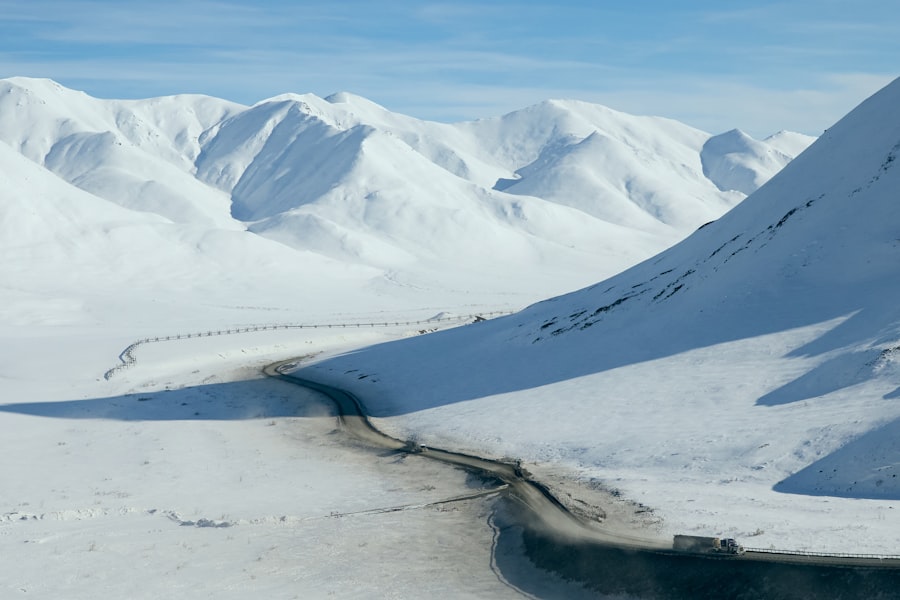
The growing interest in the Arctic route has heightened tensions among nations vying for control over these strategic waters. As countries assert their territorial claims and seek to establish dominance over shipping lanes and natural resources, the potential for conflict increases. Disputes over maritime boundaries and resource extraction rights could lead to geopolitical tensions that may escalate into more serious confrontations if not managed carefully.
Additionally, the presence of military assets in the region has raised concerns about security and stability. Nations are increasingly deploying naval forces to assert their interests in the Arctic, which could lead to confrontations at sea or in territorial disputes. The delicate balance between cooperation and competition in this region will be crucial in determining whether conflicts arise or if collaborative frameworks can be established to manage shared interests effectively.
Technological Advances in Arctic Shipping
Technological advancements play a pivotal role in facilitating safe and efficient navigation through the Arctic route. Innovations in ship design have led to the development of ice-class vessels capable of withstanding harsh conditions while maintaining operational efficiency. These ships are equipped with advanced navigation systems that allow for real-time monitoring of ice conditions and weather patterns, enhancing safety for crews and cargo alike.
This technology enables shipping companies to monitor their fleets closely and respond quickly to changing conditions or emergencies. As technology continues to evolve, it will likely play an increasingly critical role in ensuring that Arctic shipping remains viable while minimizing risks associated with navigating this challenging environment.
Regulatory Considerations for Arctic Shipping
As interest in the Arctic route grows, so too does the need for comprehensive regulatory frameworks governing shipping activities in this region. Existing international laws may not adequately address the unique challenges posed by Arctic navigation, necessitating new agreements that prioritize safety, environmental protection, and indigenous rights.
Furthermore, regulatory considerations must account for the diverse range of actors involved in Arctic shipping—from national governments to private companies and indigenous communities. Engaging all stakeholders in the decision-making process will be essential for creating effective regulations that reflect shared values and priorities. As shipping activity increases, establishing clear rules will help mitigate conflicts and ensure responsible stewardship of this fragile environment.
The Role of Icebreakers in Arctic Shipping
Icebreakers are indispensable assets for facilitating safe navigation through the Arctic route. These specialized vessels are designed to break through thick ice layers, creating navigable channels for commercial ships. Their presence is crucial during peak shipping seasons when ice conditions can be particularly challenging.
Icebreakers not only assist in clearing paths but also provide vital support services such as escorting vessels through treacherous waters. The demand for icebreaker services is expected to rise as more shipping companies explore the potential of the Arctic route. This increase may prompt nations to invest in expanding their icebreaker fleets or collaborating on joint operations to enhance safety and efficiency in Arctic navigation.
The strategic importance of icebreakers cannot be overstated; they serve as both protectors of maritime safety and enablers of economic opportunity in this rapidly evolving landscape.
Future Prospects for the Arctic Route
The future prospects for the Arctic route appear promising yet complex. As climate change continues to reshape the region’s geography, opportunities for increased shipping activity will likely expand. However, this potential must be balanced against environmental concerns and geopolitical tensions that could arise from heightened competition for resources and access.
Looking ahead, stakeholders must prioritize sustainable practices that protect the fragile Arctic ecosystem while fostering economic development. Collaborative efforts among nations will be essential for establishing frameworks that promote responsible shipping practices and mitigate risks associated with increased maritime traffic. By embracing innovation and cooperation, there is potential for the Arctic route to become a vital artery for global trade while safeguarding one of the planet’s most vulnerable regions.
The Impact of Arctic Shipping on Global Trade
The impact of increased shipping through the Arctic route on global trade is poised to be significant. As this new pathway becomes more accessible, it has the potential to reshape trade patterns by offering faster routes between major markets. This shift could lead to reduced costs for consumers and businesses alike while enhancing supply chain efficiency on a global scale.
However, it is essential to recognize that these changes will not occur without challenges. The integration of Arctic shipping into existing trade networks will require careful planning and coordination among various stakeholders. Additionally, addressing environmental concerns and ensuring compliance with regulatory frameworks will be critical for maintaining public trust and support for this emerging trade route.
In conclusion, while the Arctic route presents exciting opportunities for enhancing global trade dynamics, it also necessitates a thoughtful approach that prioritizes sustainability and cooperation among nations. As stakeholders navigate this evolving landscape, they must remain vigilant about balancing economic interests with environmental stewardship to ensure a prosperous future for both commerce and the planet.
Recent studies have shown that the Arctic route could potentially offer a shipping path that is faster than the traditional Suez Canal route, significantly reducing transit times for global trade. For more insights on this topic, you can read the related article on MyGeoQuest by following this link. This development could have profound implications for international shipping and trade dynamics in the coming years.
FAQs
What is the Arctic route?
The Arctic route refers to shipping lanes that pass through the Arctic Ocean, primarily along the Northern Sea Route (NSR) along the Russian coast. These routes are becoming more navigable due to melting sea ice caused by climate change.
How is the Arctic route faster than the Suez Canal route?
The Arctic route can be significantly shorter than the traditional Suez Canal route for voyages between Europe and Asia. For example, the Northern Sea Route can reduce the distance by up to 40%, which translates to shorter travel times and potentially lower fuel consumption.
What types of ships can use the Arctic route?
Currently, ice-class vessels designed to withstand harsh Arctic conditions are primarily used on the Arctic route. As ice conditions improve, more commercial ships may be able to navigate these waters, but safety and environmental concerns remain critical.
What are the challenges of using the Arctic route?
Challenges include unpredictable weather, sea ice variability, limited search and rescue infrastructure, environmental risks, and regulatory complexities. Additionally, the route is only navigable during certain months when ice conditions permit.
Is the Arctic route open year-round?
No, the Arctic route is generally only accessible during the summer and early autumn months when sea ice is at its minimum. Advances in icebreaker technology and climate change may extend the navigable period in the future.
How does the Arctic route impact global trade?
The Arctic route has the potential to reduce shipping times and costs between Europe and Asia, which could influence global trade patterns. However, its current use is limited, and widespread adoption depends on overcoming environmental, legal, and logistical challenges.
What environmental concerns are associated with the Arctic route?
Increased shipping in the Arctic raises concerns about oil spills, disturbances to marine ecosystems, emissions in a sensitive environment, and the impact on indigenous communities. The fragile Arctic environment requires careful management to minimize negative effects.
Who controls the Arctic shipping routes?
The Northern Sea Route is primarily under Russian jurisdiction, with Russia regulating transit and requiring permits. Other Arctic nations, including Canada, Norway, Denmark, and the United States, have interests and regulatory roles in their respective Arctic waters.
How does the cost of using the Arctic route compare to the Suez Canal?
While the Arctic route can reduce fuel costs and transit time, expenses related to ice-class vessels, insurance, and potential delays due to ice conditions can increase costs. The Suez Canal also charges transit fees, so the overall cost comparison depends on specific voyage conditions.
Are there any geopolitical issues related to the Arctic route?
Yes, the Arctic region is subject to territorial claims and strategic interests by Arctic and non-Arctic nations. Increased shipping activity raises questions about sovereignty, security, and international cooperation in managing the Arctic’s resources and navigation rights.