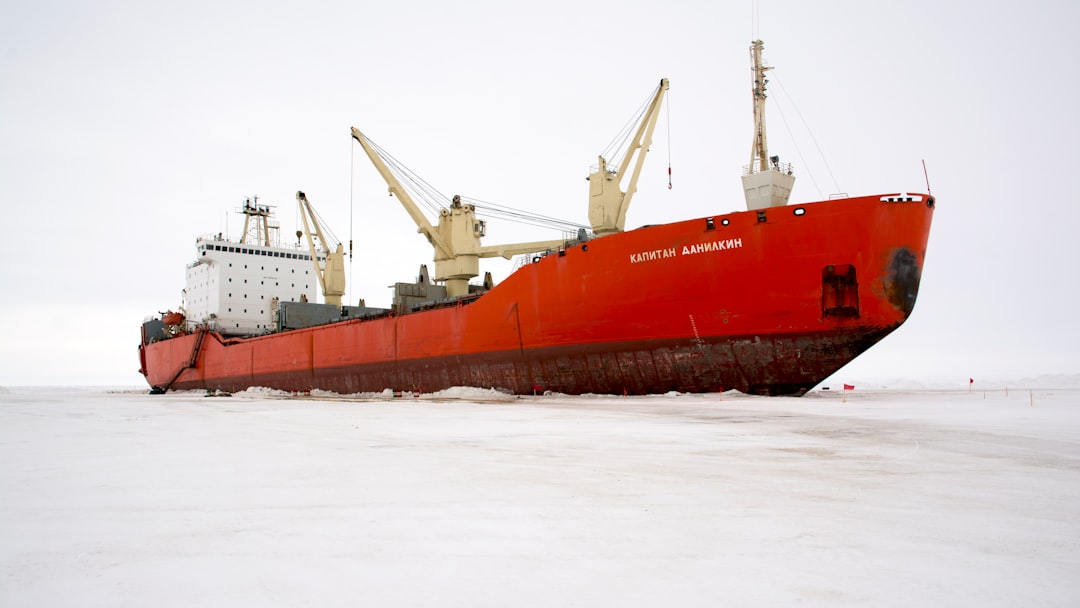
Arctic shipping has emerged as a significant area of interest in recent years, driven by the melting ice caps and the opening of new maritime routes. The Arctic region, once considered largely inaccessible due to its harsh climate and extensive ice coverage, is now becoming a viable option for international shipping. This transformation is not only reshaping global trade patterns but also raising critical questions about environmental sustainability, safety, and regulatory compliance.
As nations vie for control over these newly accessible waters, the implications for international shipping are profound, necessitating a closer examination of the policies and regulations that govern this burgeoning industry. The Arctic’s strategic importance is underscored by its potential to reduce shipping times between major markets. Traditional routes, such as the Suez Canal, can be significantly longer, leading to increased fuel consumption and higher costs.
The Northern Sea Route, for instance, offers a more direct path from Europe to Asia, which could revolutionize trade dynamics. However, this newfound accessibility comes with a host of challenges, including the need for robust regulatory frameworks to ensure safe and environmentally responsible navigation. As Arctic shipping continues to grow, understanding the intricacies of these regulations becomes essential for stakeholders involved in maritime operations.
Key Takeaways
- Moscow’s shipping permit requirements are crucial for regulating Arctic maritime activities and ensuring safe passage.
- Obtaining a permit involves a detailed application process that addresses environmental, safety, and security standards.
- Strict environmental regulations aim to minimize the ecological impact of shipping in the fragile Arctic region.
- Icebreaker assistance and advanced navigation and communication systems are mandatory for vessels operating in Arctic waters.
- Compliance with Moscow’s permit requirements is enforced to promote sustainable and secure Arctic shipping operations.
Importance of Moscow’s Shipping Permit Requirements
Moscow’s shipping permit requirements play a crucial role in regulating maritime activities in the Arctic region. As the Russian government holds significant authority over the Northern Sea Route, it has established a comprehensive framework to manage shipping operations. These regulations are designed not only to protect national interests but also to safeguard the fragile Arctic environment.
The importance of these permit requirements cannot be overstated, as they serve as a mechanism for ensuring that shipping activities are conducted in a manner that minimizes ecological impact while promoting safe navigation. Moreover, Moscow’s permit system reflects the geopolitical landscape of the Arctic. With various countries expressing interest in exploiting the region’s resources and trade routes, Russia’s stringent regulations serve as a means of asserting its sovereignty.
By controlling access to these waters, Moscow aims to balance economic development with environmental stewardship. This dual focus is essential in a region where climate change is rapidly altering ecosystems and where the potential for conflict over resources is ever-present. Understanding these permit requirements is vital for any entity looking to engage in Arctic shipping.
Overview of Moscow’s Shipping Permit Requirements
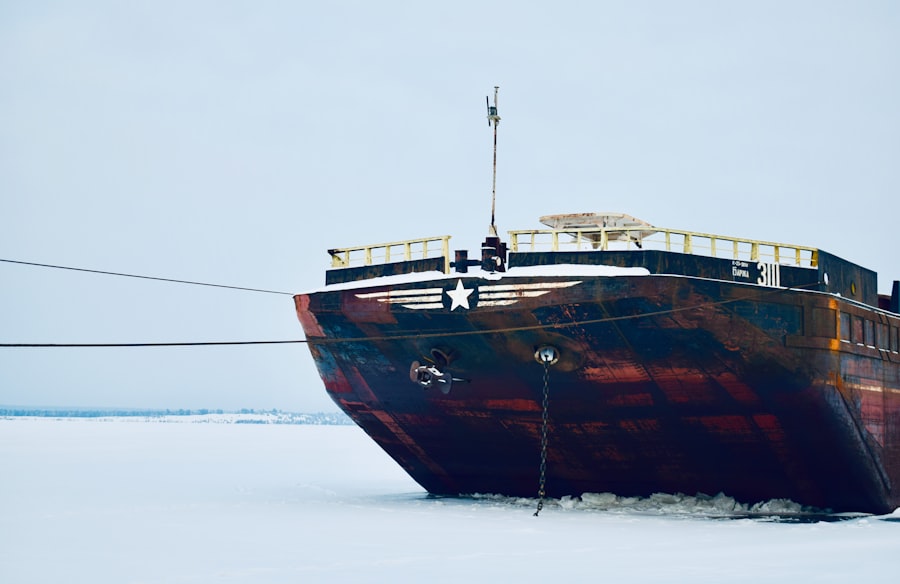
Moscow’s shipping permit requirements encompass a range of regulations that govern various aspects of maritime operations in the Arctic. These requirements are designed to ensure that vessels comply with safety standards, environmental protections, and navigational protocols. The process typically involves obtaining a permit from the Russian government before entering designated Arctic waters.
This permit system is not only a regulatory measure but also a tool for monitoring and managing maritime traffic in an increasingly busy region. The requirements for obtaining a shipping permit can vary based on several factors, including the type of vessel, the nature of the cargo, and the specific route planned. For instance, vessels carrying hazardous materials may face stricter scrutiny compared to those transporting non-hazardous goods.
Additionally, the Russian government may impose seasonal restrictions based on ice conditions and environmental considerations. This comprehensive approach ensures that all shipping activities are conducted within a framework that prioritizes safety and ecological integrity.
Application Process for Moscow’s Shipping Permit
The application process for obtaining a shipping permit from Moscow involves several key steps that must be meticulously followed by prospective operators. Initially, applicants must submit detailed information about their vessel, including specifications such as size, type, and ice class rating. This information is critical for assessing whether the vessel is suitable for Arctic navigation and can withstand the unique challenges posed by icy waters.
Once the initial documentation is submitted, applicants may be required to provide additional information regarding their intended route and cargo. This includes details about any potential environmental risks associated with the shipment. The Russian authorities conduct thorough evaluations of these applications to ensure compliance with safety and environmental standards.
The entire process can be time-consuming, often requiring several weeks or even months for approval. Therefore, it is imperative for operators to plan ahead and allow ample time for the permit application process.
Environmental Regulations for Arctic Shipping
| Requirement | Description | Authority | Applicable Area | Notes |
|---|---|---|---|---|
| Arctic Shipping Permit | Mandatory permit for vessels navigating Russian Arctic waters | Russian Ministry of Transport | Russian Arctic maritime zones | Required for all commercial vessels |
| Ice Class Certification | Certification of vessel’s ice-strengthening capabilities | Russian Maritime Register of Shipping | Russian Arctic routes | Minimum ice class required depends on season and route |
| Environmental Compliance | Adherence to Russian Arctic environmental regulations | Russian Federal Service for Supervision of Natural Resources | Russian Arctic waters | Includes waste management and emissions standards |
| Navigation Plan Submission | Submission of detailed voyage plan for approval | Russian Northern Sea Route Administration | Northern Sea Route | Must be submitted prior to voyage commencement |
| Pilotage Requirement | Use of Russian ice pilots in certain Arctic areas | Russian Northern Sea Route Administration | Specific Arctic ports and channels | Mandatory for vessels without Russian ice navigation experience |
Environmental regulations are at the forefront of Moscow’s shipping permit requirements, reflecting the delicate balance between economic development and ecological preservation in the Arctic region. The Russian government has implemented stringent measures aimed at minimizing the environmental impact of shipping activities. These regulations address various aspects of maritime operations, including waste management, emissions control, and protection of marine biodiversity.
One of the key components of these environmental regulations is the requirement for vessels to adhere to specific waste disposal protocols. Ships operating in Arctic waters must have systems in place to manage waste responsibly, ensuring that pollutants do not enter sensitive marine ecosystems. Additionally, emissions from vessels are closely monitored to mitigate air pollution and its effects on climate change.
By enforcing these regulations, Moscow aims to protect the unique Arctic environment while allowing for sustainable economic growth through shipping.
Safety and Security Measures for Arctic Shipping
Safety and security measures are paramount in Arctic shipping due to the region’s challenging conditions and potential hazards. The Russian government has established comprehensive guidelines that vessels must follow to ensure safe navigation in icy waters. These measures include mandatory icebreaker assistance for certain types of vessels and adherence to specific navigational protocols designed to mitigate risks associated with ice formations.
In addition to physical safety measures, security protocols are also critical in the context of Arctic shipping. Given the geopolitical tensions surrounding resource exploration and territorial claims in the region, vessels must be prepared for potential security threats. This includes implementing measures to protect against piracy and unauthorized access to sensitive areas.
By prioritizing safety and security, Moscow aims to create a stable environment for maritime operations while safeguarding national interests.
Insurance Requirements for Arctic Shipping
Insurance requirements are an integral part of Moscow’s shipping permit framework, reflecting the unique risks associated with Arctic navigation. Operators must secure appropriate insurance coverage before being granted permission to operate in these waters. This coverage typically includes protection against potential damages caused by ice-related incidents, environmental liabilities, and other unforeseen circumstances that may arise during transit.
The insurance landscape for Arctic shipping is complex due to the high stakes involved in operating in such a challenging environment. Insurers often require detailed assessments of vessels’ capabilities and risk profiles before issuing policies. Additionally, operators may need to demonstrate compliance with international standards and best practices related to safety and environmental protection.
By mandating insurance coverage, Moscow seeks to ensure that operators are financially prepared to address any potential incidents that may occur during their voyages.
Icebreaker Assistance and Escort Requirements
Icebreaker assistance is a critical component of Arctic shipping operations, particularly for vessels navigating through heavily iced waters. The Russian government has established specific requirements regarding icebreaker support to enhance safety and facilitate smooth transit through challenging conditions. Depending on the vessel’s ice class rating and cargo type, operators may be required to secure icebreaker escort services during their journey.
The role of icebreakers extends beyond mere assistance; they play a vital role in maintaining navigational safety by creating channels through thick ice and providing real-time information about changing conditions. This support is essential not only for commercial vessels but also for research ships and other operations conducted in the Arctic region. By enforcing icebreaker assistance requirements, Moscow aims to minimize risks associated with ice navigation while promoting efficient maritime traffic flow.
Navigation and Communication Requirements for Arctic Shipping
Navigation and communication requirements are crucial elements of Moscow’s shipping permit framework, ensuring that vessels can operate safely in the Arctic environment. Given the remoteness of many areas within the Arctic Circle, reliable communication systems are essential for maintaining contact with authorities and other vessels during transit. Operators must equip their ships with advanced navigational technology capable of functioning effectively in extreme conditions.
Additionally, adherence to specific navigational protocols is mandatory for all vessels operating in Arctic waters. This includes following designated routes, maintaining proper speed limits in sensitive areas, and utilizing updated charts that reflect current ice conditions. By establishing these navigation and communication requirements, Moscow aims to enhance situational awareness among operators while reducing the likelihood of accidents or incidents during voyages.
Compliance and Enforcement of Moscow’s Shipping Permit Requirements
Compliance with Moscow’s shipping permit requirements is closely monitored by Russian authorities tasked with enforcing regulations in Arctic waters. Regular inspections may be conducted on vessels operating under permits to ensure adherence to safety standards, environmental protections, and operational protocols. Non-compliance can result in severe penalties, including fines or revocation of permits.
The enforcement mechanisms established by Moscow reflect its commitment to maintaining order in an increasingly busy maritime environment. By actively monitoring compliance, authorities can address potential violations before they escalate into more significant issues that could jeopardize safety or environmental integrity. This proactive approach underscores the importance of regulatory frameworks in managing Arctic shipping effectively.
Conclusion and Future Outlook for Arctic Shipping
As Arctic shipping continues to evolve amidst changing climatic conditions and geopolitical dynamics, understanding Moscow’s shipping permit requirements becomes increasingly vital for stakeholders involved in this sector. The intricate web of regulations governing safety, environmental protection, insurance coverage, and navigation reflects both Russia’s commitment to responsible maritime practices and its strategic interests in asserting control over these valuable waters. Looking ahead, the future of Arctic shipping will likely be shaped by ongoing developments in technology, international cooperation, and environmental considerations.
As more nations recognize the potential benefits of accessing Arctic routes, collaborative efforts will be essential in establishing shared standards that promote safe and sustainable practices across borders. Ultimately, navigating this complex landscape will require a delicate balance between economic opportunity and ecological responsibility as stakeholders work together to ensure that Arctic shipping remains viable for generations to come.
As the Arctic shipping routes become increasingly accessible due to climate change, understanding the permit requirements for navigating these waters is crucial for shipping companies. A related article that delves into the specifics of Arctic shipping permit requirements in Moscow can be found at this link. This resource provides valuable insights into the regulatory landscape and the necessary steps for compliance in this rapidly evolving sector.
FAQs
What is the Arctic shipping permit requirement in Moscow?
The Arctic shipping permit requirement in Moscow refers to the regulatory process established by Russian authorities for vessels intending to navigate the Northern Sea Route (NSR) through Arctic waters under Russian jurisdiction. Ships must obtain a permit to ensure compliance with safety, environmental, and operational standards.
Who issues the Arctic shipping permits in Moscow?
The permits for Arctic shipping are issued by the Russian Ministry of Transport, specifically through the Northern Sea Route Administration, which oversees navigation and safety in the Arctic maritime zone.
Which vessels need an Arctic shipping permit when operating near Moscow?
Any vessel planning to transit or operate in the Russian Arctic waters, including the Northern Sea Route, must obtain a permit. This includes commercial cargo ships, research vessels, and icebreakers.
What information is required to apply for an Arctic shipping permit?
Applicants must provide detailed information about the vessel, including its technical specifications, ice class certification, planned route, cargo details, crew qualifications, and safety measures. Environmental impact assessments may also be required.
How long does it take to obtain an Arctic shipping permit in Moscow?
The processing time can vary but generally takes several weeks. It is recommended to apply well in advance of the planned voyage to allow for thorough review and any necessary coordination with Russian authorities.
Are there any fees associated with obtaining an Arctic shipping permit?
Yes, there are fees for processing the permit application and for icebreaker escort services if required. The exact fees depend on the vessel type, size, and the nature of the voyage.
What regulations must vessels comply with after receiving an Arctic shipping permit?
Vessels must comply with Russian maritime safety regulations, environmental protection standards, ice navigation rules, and reporting requirements. They must also coordinate with Russian icebreaker services and follow designated shipping lanes.
Can foreign vessels obtain an Arctic shipping permit from Moscow?
Yes, foreign vessels are eligible to apply for permits to navigate the Northern Sea Route, provided they meet all Russian regulatory requirements and submit the necessary documentation.
Is an Arctic shipping permit required year-round?
Permits are generally required year-round for navigation in Russian Arctic waters, but specific conditions and restrictions may vary seasonally depending on ice conditions and environmental considerations.
Where can I find official information about Arctic shipping permit requirements in Moscow?
Official information can be obtained from the Russian Ministry of Transport’s website, the Northern Sea Route Administration, or through authorized maritime agencies specializing in Arctic navigation permits.