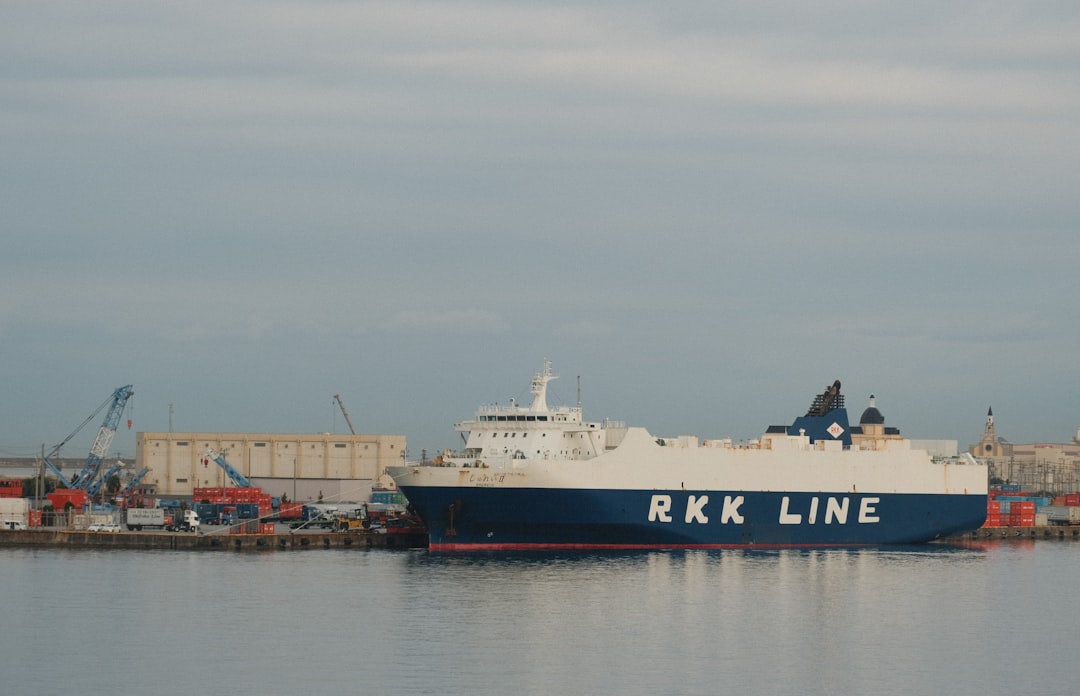
In recent years, Arctic liquefied natural gas (LNG) shipping has gained significant importance due to geopolitical, economic, and environmental factors. Global energy demand growth has positioned the Arctic region as a critical area for natural gas exploration and transportation. Climate change-induced ice cap melting has created new maritime routes, improving shipping efficiency and enabling access to substantial natural gas reserves beneath the Arctic seabed.
LNG has become increasingly prominent as a cleaner alternative to coal and oil, as nations work toward carbon reduction targets. Many countries view LNG as a transitional fuel in the shift to renewable energy sources. The Arctic’s LNG production and shipping capabilities are becoming increasingly valuable in the global energy market.
As nations pursue energy source diversification and enhanced energy security, Arctic LNG shipping is becoming a crucial component in meeting these strategic energy objectives.
Key Takeaways
- Arctic LNG shipping is becoming increasingly vital for global energy supply, especially during winter months.
- Navigating Arctic waters poses significant challenges due to harsh weather, ice conditions, and limited infrastructure.
- Shipping delays in the Arctic can critically impact winter LNG supply, affecting energy security.
- Icebreakers play a crucial role in ensuring safe and timely LNG transport through icy Arctic routes.
- Balancing economic benefits with environmental risks requires international cooperation and innovative solutions.
Challenges of Shipping LNG through Arctic Waters
Despite its growing importance, shipping LNG through Arctic waters is fraught with challenges that can complicate operations. One of the primary concerns is the harsh environmental conditions that characterize the region. Extreme cold temperatures, unpredictable weather patterns, and the presence of ice can pose significant risks to vessels navigating these waters.
The potential for icebergs and pack ice can lead to delays and necessitate careful planning and execution of shipping routes. Additionally, the infrastructure required for safe and efficient LNG shipping in the Arctic is still underdeveloped. Many ports lack the necessary facilities to accommodate large LNG carriers, which can hinder operations and increase costs.
Furthermore, the limited availability of trained personnel familiar with Arctic navigation adds another layer of complexity. As a result, companies must invest heavily in research and development to devise innovative solutions that address these challenges while ensuring the safety of their operations.
Impact of Shipping Delays on Winter Supply
Shipping delays in the Arctic can have far-reaching consequences, particularly during the winter months when demand for energy typically peaks. The reliance on LNG as a primary energy source means that any disruption in supply can lead to significant shortages, impacting both consumers and industries alike. In regions where natural gas is essential for heating and electricity generation, delays can result in increased prices and potential energy crises.
Moreover, the ripple effects of shipping delays extend beyond immediate supply issues. Industries dependent on consistent energy supplies may face operational disruptions, leading to decreased productivity and financial losses. In extreme cases, prolonged delays could even jeopardize public safety if critical infrastructure fails due to insufficient energy supply.
Therefore, understanding and mitigating the risks associated with shipping delays is crucial for maintaining stability in energy markets.
Weather and Ice Conditions in the Arctic
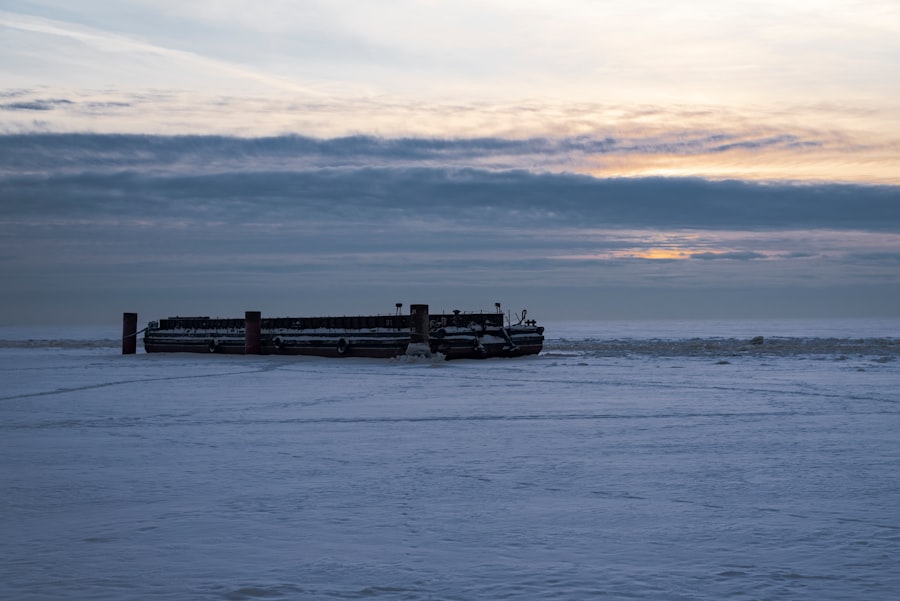
The weather and ice conditions in the Arctic are among the most challenging aspects of LNG shipping in this region. The unpredictable nature of Arctic weather can lead to sudden storms and severe visibility issues, complicating navigation for vessels. Additionally, the presence of ice can vary significantly from year to year, influenced by climate patterns and seasonal changes.
This variability necessitates constant monitoring and adaptability from shipping companies to ensure safe passage. Ice conditions can also dictate the timing of shipping operations. The short summer window when ice melts sufficiently for navigation requires meticulous planning to maximize efficiency.
However, as climate change continues to alter traditional ice patterns, shipping companies must remain vigilant and flexible in their strategies. The ability to accurately predict ice conditions will be paramount in ensuring timely deliveries and minimizing risks associated with navigating these treacherous waters.
The Role of Icebreakers in Arctic LNG Shipping
| Metric | Value | Unit | Notes |
|---|---|---|---|
| Average Shipping Delay | 5 | Days | Delays caused by ice conditions during winter months |
| Ice Thickness | 1.2 | meters | Average ice thickness affecting navigation routes |
| Number of Delayed Voyages | 18 | Trips | Reported delays in Arctic LNG shipments during winter season |
| Average Speed Reduction | 30 | Percent | Speed reduction due to icebreaker escort and ice navigation |
| Winter Shipping Window | Nov – Mar | Months | Period with highest risk of delays due to severe ice conditions |
| Icebreaker Escort Frequency | 75 | Percent of voyages | Percentage of LNG shipments requiring icebreaker assistance |
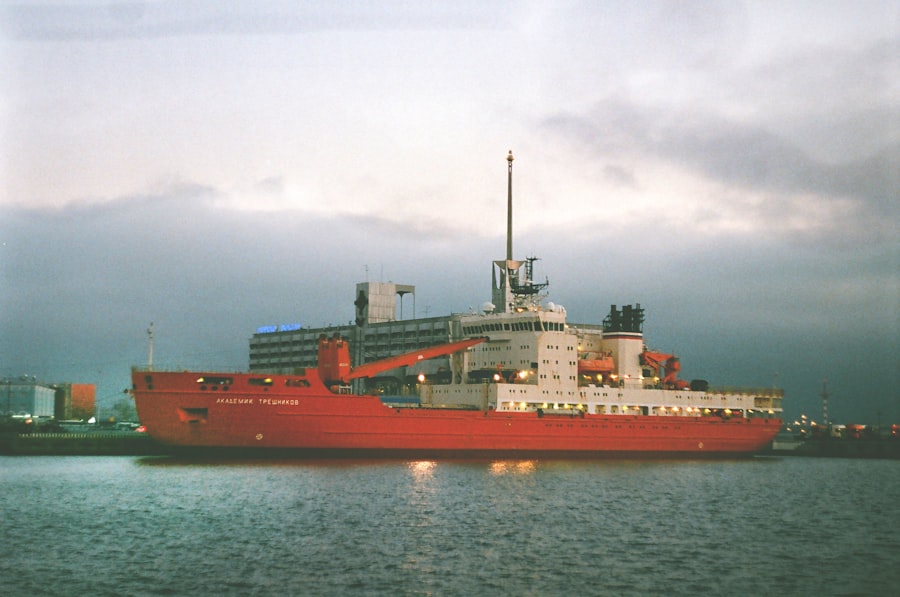
Icebreakers play a crucial role in facilitating LNG shipping through Arctic waters by ensuring safe passage for vessels navigating icy conditions. These specialized ships are designed to break through thick ice layers, creating navigable channels for commercial vessels. Their presence is essential during the winter months when ice coverage is at its peak, allowing for continued operations despite challenging conditions.
The use of icebreakers not only enhances safety but also contributes to operational efficiency. By clearing paths through ice-laden waters, these vessels enable LNG carriers to maintain schedules and minimize delays. However, the reliance on icebreakers also raises questions about environmental impacts and operational costs.
As demand for Arctic shipping grows, balancing the need for icebreaking services with sustainable practices will be critical in shaping the future of LNG transportation in this region.
Environmental Concerns of Arctic LNG Shipping
The environmental implications of Arctic LNG shipping are a significant concern for stakeholders involved in this industry. The delicate Arctic ecosystem is already under threat from climate change, and increased shipping activity could exacerbate existing challenges. Potential oil spills, emissions from vessels, and disturbances to marine life are just a few of the environmental risks associated with expanded LNG shipping operations.
Furthermore, the construction and operation of infrastructure necessary for LNG production and transportation can lead to habitat destruction and increased pollution levels. As companies seek to capitalize on the opportunities presented by Arctic resources, they must also consider their responsibility toward environmental stewardship. Implementing stringent regulations and adopting sustainable practices will be essential in mitigating negative impacts while pursuing economic growth in this fragile region.
Economic Implications of Shipping Delays
The economic ramifications of shipping delays in Arctic LNG transportation extend beyond immediate supply disruptions. Delays can lead to increased operational costs for companies due to extended transit times and potential penalties associated with contractual obligations. Additionally, fluctuations in energy prices resulting from supply shortages can create instability in markets, affecting both producers and consumers.
Moreover, prolonged delays may deter investment in Arctic LNG projects as stakeholders weigh the risks associated with unpredictable shipping conditions. Investors are likely to seek assurances regarding reliability and efficiency before committing resources to new ventures in this region. Therefore, addressing the challenges associated with shipping delays is not only crucial for maintaining current operations but also for fostering future growth in Arctic LNG development.
Alternative Solutions for Winter Supply
As challenges persist in Arctic LNG shipping, exploring alternative solutions for winter supply becomes increasingly important. One potential avenue is the development of onshore storage facilities that can stockpile LNG during periods of low demand for use during peak winter months. This approach would provide a buffer against supply disruptions caused by shipping delays while ensuring a steady energy supply.
Additionally, advancements in technology may offer innovative solutions for improving shipping efficiency during winter months. For instance, utilizing autonomous vessels equipped with advanced navigation systems could enhance safety and reduce reliance on traditional icebreakers. Furthermore, investing in research focused on developing more resilient ship designs capable of withstanding harsh Arctic conditions could pave the way for more reliable operations.
International Cooperation in Arctic Shipping
International cooperation is vital for addressing the complexities associated with Arctic LNG shipping. Given the shared interests of multiple nations in this region, collaborative efforts can lead to more effective management of resources and environmental protection initiatives. Establishing frameworks for cooperation among Arctic nations can facilitate information sharing regarding weather patterns, ice conditions, and best practices for safe navigation.
Moreover, joint initiatives focused on research and development can drive innovation in technology and infrastructure necessary for sustainable Arctic shipping operations. By working together, countries can develop comprehensive strategies that balance economic growth with environmental stewardship while ensuring safe passage through these challenging waters.
Future Outlook for Arctic LNG Shipping
The future outlook for Arctic LNG shipping appears promising yet fraught with challenges that require careful navigation. As global energy demands continue to rise and countries seek cleaner alternatives, the potential for increased LNG production and transportation through Arctic waters remains significant. However, addressing environmental concerns and ensuring safe operations will be paramount in shaping this industry’s trajectory.
Investments in technology and infrastructure will play a crucial role in determining the success of Arctic LNG shipping moving forward. Companies that prioritize sustainability while enhancing operational efficiency are likely to thrive in this evolving landscape. Additionally, fostering international cooperation will be essential in addressing shared challenges and maximizing opportunities within this unique region.
Balancing the Benefits and Risks of Arctic LNG Shipping
In conclusion, while Arctic LNG shipping presents numerous opportunities for economic growth and energy diversification, it also poses significant risks that must be carefully managed. The challenges associated with harsh weather conditions, environmental concerns, and potential shipping delays necessitate a balanced approach that prioritizes safety and sustainability alongside economic interests.
By embracing innovation and prioritizing responsible practices, it is possible to harness the benefits of this emerging industry while safeguarding the fragile Arctic environment for generations to come.
Recent reports have highlighted significant delays in Arctic LNG shipping due to harsh winter conditions, impacting global energy supply chains. For a deeper understanding of the challenges faced in this region, you can read more in the article available at