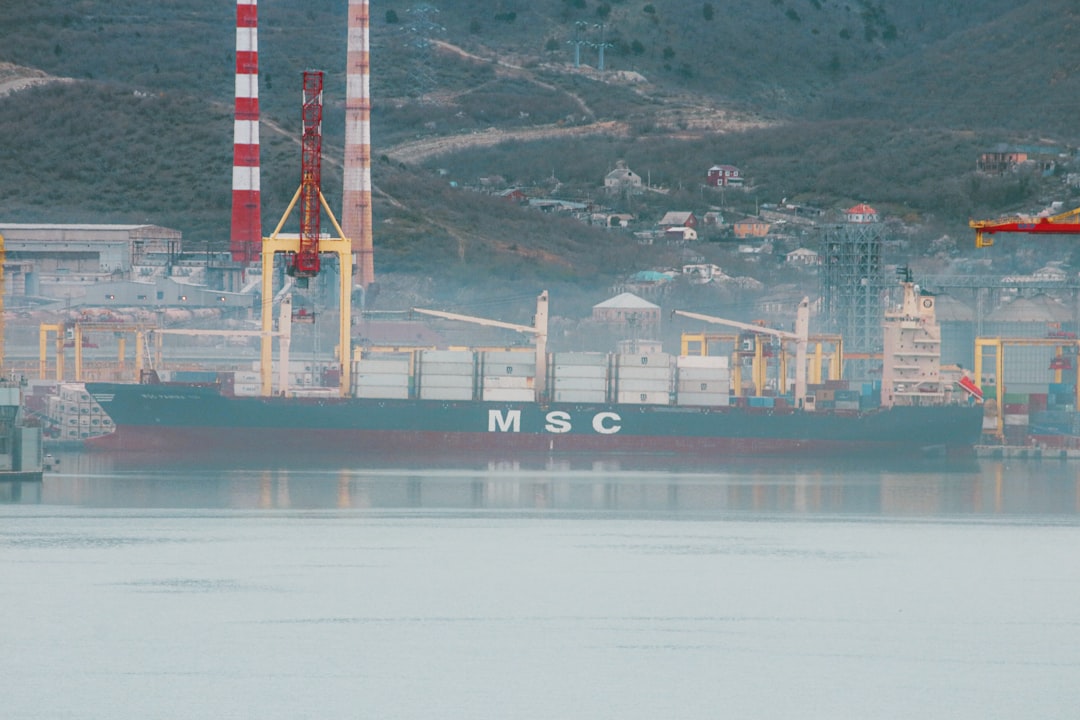
Arctic shipping has emerged as a focal point of interest in recent years, driven by the melting ice caps and the opening of new maritime routes. The Northern Sea Route and the Northwest Passage are becoming increasingly navigable, offering shorter transit times between major global markets. This shift not only promises economic benefits but also raises significant geopolitical concerns.
As nations vie for control over these newly accessible waters, the implications for international shipping, trade, and security are profound. The Arctic region, once considered remote and inhospitable, is now at the forefront of global maritime strategy. The potential for increased shipping activity in the Arctic is accompanied by a host of challenges, including environmental concerns, navigational hazards, and the need for robust infrastructure.
However, one of the most pressing issues is the threat posed by electronic warfare and jamming. As military capabilities expand in this strategically important region, the risks associated with electronic interference become more pronounced. Understanding the dynamics of Arctic shipping in the context of electronic warfare is essential for ensuring safe and secure navigation in these increasingly contested waters.
Key Takeaways
- Electronic warfare jamming poses significant threats to navigation and communication systems critical for Arctic shipping.
- The harsh Arctic environment combined with electronic interference increases operational risks and challenges for vessels.
- Advanced technologies and strategic mitigation measures are essential to counteract the effects of electronic warfare jamming.
- International regulations and cooperation play a crucial role in managing and reducing electronic warfare threats in Arctic waters.
- Understanding past incidents and future trends is vital for ensuring the safety and security of Arctic maritime operations.
Electronic Warfare and Jamming: What is it?
Electronic warfare (EW) encompasses a range of military tactics aimed at disrupting or manipulating an adversary’s electronic systems. This can include jamming communications, radar, and navigation signals, thereby impairing an enemy’s ability to operate effectively. Jamming specifically refers to the deliberate transmission of signals that interfere with legitimate communications or navigation systems.
In the context of modern warfare, EW has become an integral component of military strategy, as it allows for the disruption of enemy operations without direct confrontation. The technology behind electronic warfare has evolved significantly over the years, with advancements in signal processing and transmission techniques enhancing its effectiveness. Jamming can be executed through various means, including ground-based systems, airborne platforms, or even naval vessels equipped with sophisticated electronic countermeasures.
As nations invest in their military capabilities in the Arctic, the potential for EW operations increases, raising concerns about the safety and security of commercial shipping routes in this fragile environment.
The Impact of Electronic Warfare Jamming on Arctic Shipping

The implications of electronic warfare jamming on Arctic shipping are multifaceted and far-reaching. First and foremost, jamming can severely disrupt navigation systems that vessels rely on to traverse these challenging waters. The Arctic’s unique geography, characterized by ice floes and shifting weather patterns, already presents significant navigational challenges.
When jamming is introduced into this equation, the risks multiply exponentially. Ships may find themselves unable to accurately determine their position or communicate with other vessels and shore-based authorities, leading to potentially catastrophic consequences. Moreover, the economic ramifications of jamming in Arctic shipping cannot be overlooked.
The Arctic is home to valuable natural resources, including oil and gas reserves, which are increasingly being targeted for extraction. Disruptions caused by electronic warfare could deter investment in these ventures or lead to costly delays in shipping schedules. As companies weigh the risks associated with operating in a jamming-prone environment, they may reconsider their strategies for accessing these lucrative markets.
The potential for increased insurance premiums and operational costs further complicates the economic landscape for Arctic shipping.
Challenges and Risks of Arctic Shipping in the Presence of Electronic Warfare Jamming
The challenges posed by electronic warfare jamming in Arctic shipping extend beyond immediate navigational concerns. The region’s harsh climate and unpredictable weather patterns already create a perilous environment for maritime operations. When combined with the threat of jamming, these challenges become even more daunting.
For instance, vessels may find themselves unable to receive critical weather updates or emergency communications from search and rescue services, increasing the likelihood of accidents or maritime disasters. Additionally, the geopolitical landscape surrounding Arctic shipping is fraught with tension. As nations assert their claims over territorial waters and resources, the potential for conflict escalates.
Electronic warfare capabilities can be employed not only to disrupt shipping but also to assert dominance over contested areas. This creates an atmosphere of uncertainty for commercial operators who must navigate not only physical hazards but also the complexities of international relations. The interplay between military strategy and commercial interests adds another layer of risk to Arctic shipping operations.
How Electronic Warfare Jamming Affects Navigation and Communication Systems
| Metric | Description | Value / Data | Unit | Notes |
|---|---|---|---|---|
| Jamming Frequency Range | Frequency bands used for electronic jamming in Arctic shipping routes | 1 – 18 | GHz | Common bands include VHF, UHF, and L-band |
| Effective Jamming Radius | Range within which jamming signals disrupt navigation and communication | 5 – 15 | km | Depends on power output and environmental conditions |
| Power Output of Jamming Systems | Typical power levels for electronic warfare jamming devices on Arctic vessels | 50 – 500 | Watts | Higher power needed to overcome atmospheric attenuation |
| Impact on GPS Accuracy | Reduction in GPS positional accuracy due to jamming | Up to 100 | meters | Can cause navigation errors and route deviations |
| Number of Reported Jamming Incidents | Documented cases of electronic jamming affecting Arctic shipping (last 5 years) | 12 | Incidents | Includes both accidental and intentional jamming events |
| Mitigation System Deployment Rate | Percentage of Arctic shipping vessels equipped with anti-jamming technology | 35 | % | Increasing trend due to rising electronic warfare threats |
| Communication Disruption Duration | Average length of communication blackout caused by jamming | 10 – 30 | minutes | Varies with jamming intensity and countermeasures |
The impact of electronic warfare jamming on navigation and communication systems is profound and multifaceted. Modern vessels rely heavily on Global Navigation Satellite Systems (GNSS) for accurate positioning information.
In the Arctic, where traditional navigational aids may be limited or nonexistent due to ice coverage, this reliance on GNSS becomes even more critical. A vessel that loses its navigational capabilities may inadvertently enter dangerous waters or collide with icebergs, leading to disastrous outcomes. Communication systems are equally susceptible to jamming efforts.
Ships depend on reliable communication channels to coordinate with other vessels and shore-based authorities. Disruptions in communication can hinder a vessel’s ability to report its status or request assistance in emergencies. In a region where search and rescue operations are already complicated by environmental factors, the inability to communicate effectively can have dire consequences for crew safety and environmental protection efforts.
Strategies for Mitigating the Effects of Electronic Warfare Jamming on Arctic Shipping

To address the challenges posed by electronic warfare jamming in Arctic shipping, stakeholders must adopt a multifaceted approach that combines technological innovation with strategic planning. One potential strategy involves investing in alternative navigation systems that are less susceptible to jamming. For instance, inertial navigation systems (INS) can provide accurate positioning information without relying on external signals, making them a valuable complement to GNSS technology.
Additionally, enhancing communication protocols can help mitigate the risks associated with jamming. Implementing redundant communication systems that utilize different frequencies or technologies can ensure that vessels maintain contact even if one system is compromised. Training crews to recognize signs of jamming and develop contingency plans can further enhance safety in this unpredictable environment.
By fostering a culture of preparedness and resilience, stakeholders can better navigate the complexities of Arctic shipping in the face of electronic warfare threats.
The Role of Technology in Combatting Electronic Warfare Jamming in the Arctic
Technology plays a pivotal role in combatting electronic warfare jamming in Arctic shipping. Advances in signal processing and detection capabilities have led to the development of sophisticated counter-jamming technologies that can help protect navigation and communication systems from interference. These technologies can identify jamming signals and employ techniques such as frequency hopping or spread spectrum transmission to maintain reliable communications.
Moreover, artificial intelligence (AI) and machine learning algorithms can enhance situational awareness by analyzing patterns in electronic signals and predicting potential jamming threats. By integrating these technologies into maritime operations, stakeholders can create a more resilient framework for navigating the challenges posed by electronic warfare in the Arctic. The ongoing evolution of technology will be crucial in ensuring that Arctic shipping remains safe and secure amid growing military activities in the region.
International Regulations and Policies Regarding Electronic Warfare Jamming in the Arctic
The international legal framework governing electronic warfare jamming in the Arctic is complex and evolving. Various treaties and agreements address issues related to maritime safety, security, and environmental protection; however, specific regulations regarding electronic warfare remain limited. The United Nations Convention on the Law of the Sea (UNCLOS) provides a foundation for establishing maritime rights and responsibilities but does not explicitly address electronic warfare activities.
Collaborative efforts among Arctic states could lead to agreements that promote transparency and accountability while safeguarding commercial shipping interests. Developing a comprehensive regulatory framework will be essential for mitigating risks associated with electronic warfare jamming and ensuring safe navigation in Arctic waters.
Case Studies: Incidents of Electronic Warfare Jamming in Arctic Shipping
Several incidents have highlighted the real-world implications of electronic warfare jamming on Arctic shipping operations. One notable case involved a commercial vessel navigating through contested waters when it experienced sudden disruptions to its GNSS signals. The crew reported erratic positioning information that led them dangerously close to ice formations before they could regain control over their navigation systems.
This incident underscored the vulnerabilities faced by vessels operating in an environment where military activities are increasing. Another case involved military exercises conducted by a regional power that resulted in widespread jamming across a significant area of maritime traffic. Commercial vessels reported difficulties maintaining communication with shore-based authorities during this period, raising concerns about safety protocols and emergency response capabilities.
These incidents serve as stark reminders of the potential consequences of electronic warfare jamming on commercial shipping operations in the Arctic.
Future Outlook for Arctic Shipping in the Presence of Electronic Warfare Jamming
The future outlook for Arctic shipping amid the threat of electronic warfare jamming remains uncertain but fraught with challenges. As climate change continues to open new maritime routes, it is likely that competition among nations will intensify, leading to increased military presence in the region. This heightened activity may result in more frequent instances of electronic warfare operations aimed at asserting dominance over contested waters.
However, there is also potential for collaboration among Arctic states to address shared challenges related to shipping safety and security. By fostering dialogue on best practices for mitigating electronic warfare threats, stakeholders can work towards creating a more stable environment for commercial operations. The integration of advanced technologies into navigation and communication systems will play a crucial role in shaping the future landscape of Arctic shipping.
The Importance of Addressing Electronic Warfare Jamming in Arctic Shipping
In conclusion, addressing electronic warfare jamming is paramount for ensuring safe and secure Arctic shipping operations as geopolitical tensions rise and military activities increase in this fragile region. The implications of jamming extend beyond immediate navigational concerns; they encompass economic risks, environmental protection challenges, and broader geopolitical dynamics that affect all stakeholders involved in Arctic maritime activities. As nations navigate these complexities, it is essential to prioritize international cooperation and regulatory frameworks that promote transparency and accountability regarding electronic warfare operations.
By investing in technological innovations and fostering preparedness among crews operating in these challenging waters, stakeholders can better mitigate risks associated with electronic warfare jamming while safeguarding vital shipping routes in the Arctic for future generations.
In recent discussions about the implications of Arctic shipping routes, the potential for electronic warfare jamming has emerged as a significant concern. A related article that delves deeper into the strategic challenges posed by these developments can be found at this link. This article explores the intersection of maritime navigation and electronic warfare, highlighting the need for robust countermeasures in the increasingly contested Arctic region.
FAQs
What is electronic warfare jamming in the context of Arctic shipping?
Electronic warfare jamming refers to the use of electronic signals to disrupt or interfere with the communication, navigation, or radar systems of ships operating in the Arctic region. This can affect the safety and efficiency of maritime operations in the area.
Why is electronic warfare jamming a concern for Arctic shipping?
The Arctic is a strategically important and increasingly trafficked region due to melting ice and new shipping routes. Electronic warfare jamming can compromise navigation and communication systems, leading to increased risks of accidents, loss of situational awareness, and potential security threats.
What types of electronic systems on Arctic ships are vulnerable to jamming?
Systems vulnerable to jamming include GPS navigation, radar, radio communications, and satellite communication systems. These are critical for safe navigation, collision avoidance, and maintaining contact with other vessels and shore stations.
How do ships detect and counteract electronic warfare jamming?
Ships may use electronic countermeasures such as signal filtering, frequency hopping, and backup navigation systems like inertial navigation to detect and mitigate jamming. Crew training and situational awareness also play important roles in responding to jamming incidents.
Are there international regulations addressing electronic warfare jamming in Arctic shipping?
Currently, there are no specific international regulations solely addressing electronic warfare jamming in the Arctic. However, general maritime safety and security frameworks, such as those under the International Maritime Organization (IMO), encourage safe navigation and communication practices.
How does electronic warfare jamming impact search and rescue operations in the Arctic?
Jamming can disrupt distress signals, communication between rescue teams, and navigation aids, potentially delaying or complicating search and rescue efforts in the harsh Arctic environment.
What measures are being taken to improve electronic resilience in Arctic shipping?
Efforts include developing more robust and secure communication and navigation technologies, enhancing electronic warfare detection capabilities, conducting joint exercises, and increasing international cooperation to ensure safe and secure Arctic maritime operations.