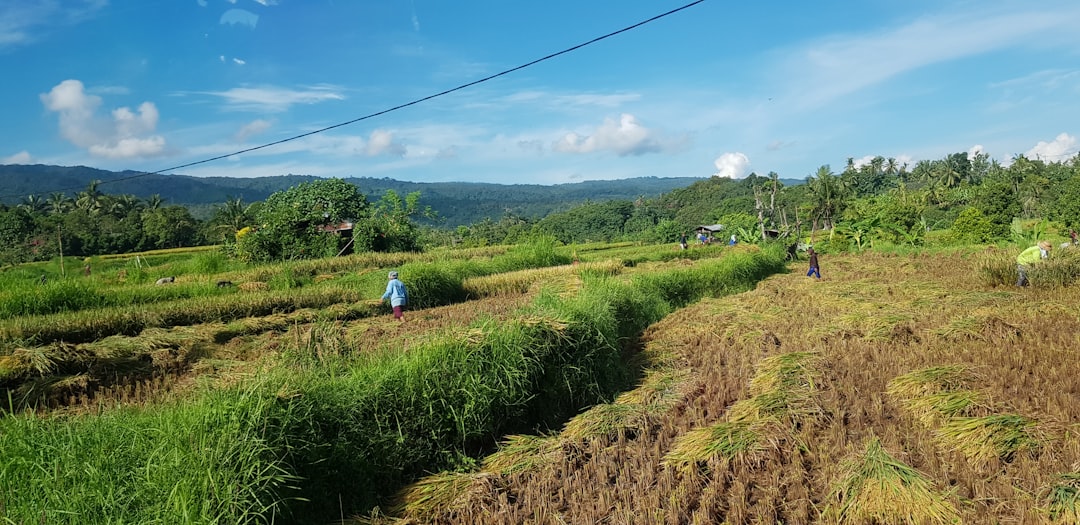
Environmental stewardship in farming communities refers to farmers’ responsibility to manage land and resources through sustainable practices. This approach is essential for maintaining agricultural productivity and environmental health over time. Farmers function as land stewards by implementing practices that maintain ecological balance, conserve natural resources, and support long-term food production systems.
Agricultural methods directly impact environmental conditions, making sustainable farming practices necessary for ecosystem preservation. Environmental stewardship operates at multiple scales, affecting individual farms, local communities, and broader ecosystems. Sustainable farming practices improve local environmental conditions by supporting biodiversity and maintaining soil health.
Agricultural decisions create interconnected effects across neighboring properties and regional ecosystems. When farmers implement stewardship practices, they establish sustainable systems that benefit both their agricultural operations and surrounding communities.
Key Takeaways
- Environmental stewardship is crucial for the sustainability of farming communities.
- Promoting sustainable practices and renewable energy helps reduce farming’s ecological footprint.
- Educating farmers on conservation and climate change fosters proactive environmental care.
- Implementing water conservation and waste management strategies supports resource efficiency.
- Collaboration and recognition empower farmers to advocate for and maintain environmental policies.
Promoting Sustainable Farming Practices
Promoting sustainable farming practices is essential for ensuring that agricultural activities do not compromise the environment. Sustainable farming encompasses a variety of methods designed to minimize negative impacts on the ecosystem while maximizing productivity. Techniques such as crop rotation, organic farming, and integrated pest management are just a few examples of how farmers can work in harmony with nature.
By adopting these practices, farmers can enhance soil fertility, reduce chemical inputs, and promote healthier ecosystems. Moreover, sustainable farming practices often lead to economic benefits for farmers. By reducing reliance on synthetic fertilizers and pesticides, farmers can lower their input costs while simultaneously improving the quality of their produce.
This dual advantage not only supports the farmer’s bottom line but also appeals to consumers who are increasingly seeking environmentally friendly products. As awareness of sustainability grows among consumers, farmers who embrace these practices may find themselves at a competitive advantage in the marketplace.
Educating Farmers on Environmental Conservation

Education plays a crucial role in fostering environmental conservation among farmers. Providing access to information about sustainable practices, conservation techniques, and the importance of biodiversity can empower farmers to make informed decisions about their operations. Workshops, seminars, and online resources can serve as valuable tools for disseminating knowledge and encouraging dialogue within farming communities.
By equipping farmers with the necessary skills and understanding, they can become more effective stewards of their land. Furthermore, education should not be limited to traditional methods; innovative approaches such as peer-to-peer learning and mentorship programs can also be highly effective. Experienced farmers can share their insights and successes with newcomers, creating a supportive network that fosters collaboration and innovation.
This exchange of knowledge not only enhances individual practices but also strengthens the community’s collective commitment to environmental stewardship.
Encouraging the Use of Renewable Energy Sources
The transition to renewable energy sources is a vital component of sustainable farming practices. By harnessing solar, wind, or bioenergy, farmers can reduce their reliance on fossil fuels and decrease their carbon footprint.
For instance, solar panels installed on farm buildings can provide electricity for operations while potentially generating surplus energy that can be sold back to the grid. Encouraging farmers to explore renewable energy options requires support from various stakeholders, including government agencies and agricultural organizations. Incentives such as grants or tax credits can motivate farmers to invest in renewable technologies.
Additionally, sharing success stories from early adopters can inspire others to follow suit. As more farmers embrace renewable energy, they contribute to a larger movement toward sustainability within the agricultural sector.
Implementing Water Conservation Strategies
| Metric | Description | Typical Value | Measurement Unit |
|---|---|---|---|
| Soil Organic Matter | Percentage of organic material in soil indicating soil health | 3-6 | % |
| Water Use Efficiency | Crop yield per unit of water used | 1.5-3.0 | kg/m³ |
| Crop Diversity Index | Number of different crop species grown on farm | 4-8 | Count |
| Carbon Sequestration Rate | Amount of carbon captured and stored in soil annually | 0.2-1.0 | tons/ha/year |
| Use of Synthetic Chemicals | Amount of synthetic pesticides and fertilizers applied | Low to None | kg/ha |
| Renewable Energy Usage | Percentage of farm energy needs met by renewable sources | 30-70 | % |
| Community Engagement | Number of local workshops or events held annually | 5-15 | Count |
| Wildlife Habitat Area | Proportion of farm area dedicated to natural habitats | 10-25 | % |
Water conservation is an essential aspect of environmental stewardship in farming communities, particularly in regions facing water scarcity. Implementing effective water management strategies can help farmers optimize their water use while ensuring that crops receive adequate hydration. Techniques such as drip irrigation, rainwater harvesting, and soil moisture monitoring can significantly reduce water waste and enhance crop resilience.
Moreover, educating farmers about the importance of water conservation can lead to more sustainable practices across entire communities. When farmers understand the impact of their water usage on local ecosystems and neighboring farms, they are more likely to adopt conservation measures. Collaborative efforts among farmers to share resources and strategies for water management can further amplify these benefits, creating a culture of conservation that extends beyond individual farms.
Supporting Biodiversity and Ecosystem Preservation
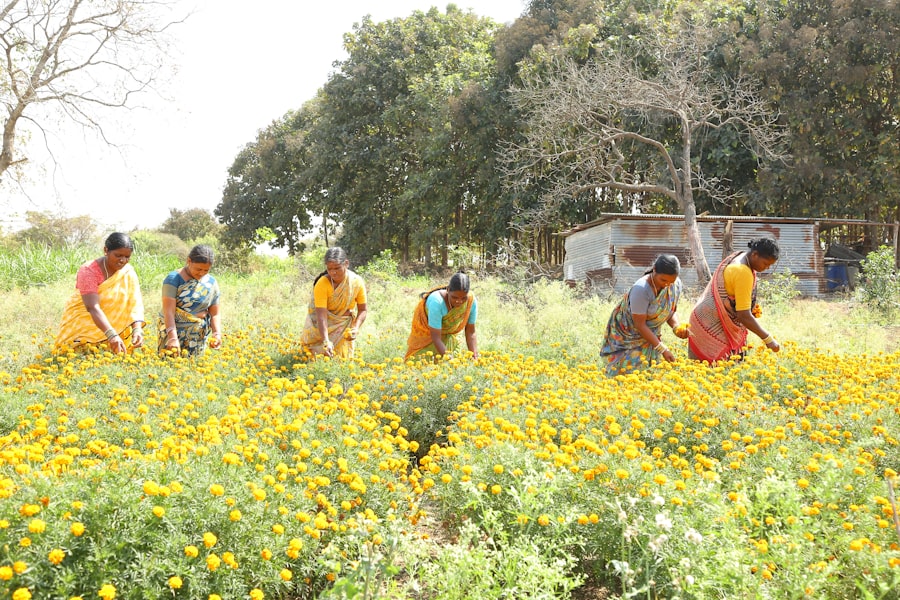
Biodiversity is a cornerstone of healthy ecosystems, and supporting it is crucial for sustainable agriculture.
These practices not only improve soil health but also promote natural pest control and pollination services that are vital for crop production.
In addition to on-farm practices, farmers can engage with local conservation initiatives aimed at preserving surrounding ecosystems. Collaborating with environmental organizations to restore native habitats or protect endangered species can create synergies that benefit both agriculture and biodiversity. By recognizing their role in supporting ecological health, farmers can contribute to a more resilient agricultural landscape that thrives alongside nature.
Engaging Farmers in Climate Change Mitigation Efforts
Climate change poses significant challenges to agriculture, making it imperative for farmers to engage in mitigation efforts actively. By adopting practices that reduce greenhouse gas emissions—such as no-till farming, agroforestry, and improved livestock management—farmers can play a vital role in combating climate change. These strategies not only help mitigate environmental impacts but also enhance farm resilience against climate-related disruptions.
Engaging farmers in climate change discussions requires collaboration with scientists, policymakers, and agricultural organizations. Providing access to research on climate-smart agriculture can empower farmers to make informed decisions about their practices. Additionally, creating platforms for dialogue allows farmers to share their experiences and challenges related to climate change, fostering a sense of community and collective action.
Providing Resources for Waste Management and Recycling
Effective waste management is an often-overlooked aspect of environmental stewardship in farming communities. Farmers generate various types of waste, from organic materials to packaging materials used for inputs. Implementing recycling programs and composting initiatives can significantly reduce waste while enriching soil health through organic matter recycling.
Providing resources and guidance on waste management practices is essential for encouraging farmers to adopt these strategies. Workshops on composting techniques or partnerships with local recycling facilities can facilitate better waste management within farming communities. By prioritizing waste reduction and recycling efforts, farmers can contribute to a circular economy that minimizes environmental impact while maximizing resource efficiency.
Collaborating with Agricultural Organizations and Government Agencies
Collaboration between farmers, agricultural organizations, and government agencies is vital for advancing environmental stewardship initiatives. These partnerships can facilitate access to funding, technical assistance, and educational resources that support sustainable practices. By working together, stakeholders can develop comprehensive strategies that address local environmental challenges while promoting agricultural productivity.
Moreover, agricultural organizations often serve as advocates for policy changes that benefit both farmers and the environment. By engaging with these organizations, farmers can amplify their voices in discussions about regulations related to land use, water management, and conservation efforts. This collaborative approach ensures that environmental stewardship becomes an integral part of agricultural policy at local, regional, and national levels.
Empowering Farmers to Advocate for Environmental Policies
Empowering farmers to advocate for environmental policies is crucial for creating systemic change within the agricultural sector. When farmers are equipped with knowledge about environmental issues and policy frameworks, they can effectively communicate their needs and concerns to policymakers. Training programs focused on advocacy skills can help farmers articulate their perspectives on sustainability issues while fostering a sense of agency within their communities.
Additionally, creating platforms for farmer-led advocacy allows them to share their experiences and insights with decision-makers directly. By participating in public forums or engaging with local government representatives, farmers can influence policies that impact their livelihoods and the environment positively. This empowerment not only strengthens individual voices but also cultivates a collective movement toward sustainable agriculture.
Celebrating and Recognizing Environmental Stewardship Efforts in Farming Communities
Celebrating and recognizing environmental stewardship efforts within farming communities is essential for fostering a culture of sustainability. Acknowledging the hard work of farmers who implement sustainable practices encourages others to follow suit while reinforcing the importance of environmental responsibility in agriculture. Awards programs or community events that highlight successful stewardship initiatives can serve as powerful motivators for change.
Moreover, sharing success stories through local media or social platforms amplifies the impact of these efforts beyond individual farms. When communities see tangible examples of successful environmental stewardship, it inspires collective action toward sustainability goals. By celebrating achievements in environmental conservation, farming communities can cultivate pride in their role as stewards of the land while encouraging ongoing commitment to sustainable practices.
In conclusion, environmental stewardship is an essential aspect of modern agriculture that requires collaboration, education, and innovation within farming communities. By promoting sustainable practices, engaging in climate change mitigation efforts, and advocating for supportive policies, farmers can play a pivotal role in preserving the environment for future generations while ensuring the viability of their operations. Through collective action and recognition of achievements in sustainability, farming communities can lead the way toward a more resilient agricultural future.
Environmental stewardship in farming communities is crucial for promoting sustainable practices that protect natural resources while ensuring agricultural productivity. A related article that delves into innovative approaches to sustainable farming can be found at this link. This article discusses various strategies that farmers can adopt to enhance their environmental stewardship efforts, ultimately benefiting both the ecosystem and the agricultural community.
FAQs
What is environmental stewardship in farming?
Environmental stewardship in farming refers to the responsible management and care of natural resources and ecosystems on agricultural land. It involves practices that protect soil, water, air quality, and biodiversity while promoting sustainable agricultural productivity.
Why is environmental stewardship important for farming communities?
Environmental stewardship is important because it helps maintain the health of the land and surrounding ecosystems, ensuring long-term agricultural productivity. It also reduces negative impacts such as soil erosion, water pollution, and loss of biodiversity, benefiting both farmers and the wider community.
What are common practices used in environmental stewardship farming?
Common practices include crop rotation, cover cropping, reduced tillage, integrated pest management, efficient water use, maintaining buffer zones, and preserving natural habitats. These methods help conserve resources and promote ecological balance.
How does environmental stewardship benefit farmers economically?
By improving soil health and water efficiency, environmental stewardship can increase crop yields and reduce input costs over time. Sustainable practices also help farmers comply with regulations and may provide access to financial incentives or markets that value eco-friendly products.
Can environmental stewardship farming help combat climate change?
Yes, many stewardship practices such as carbon sequestration in soil, reduced greenhouse gas emissions from fertilizers, and maintaining vegetation cover contribute to mitigating climate change impacts.
What role do farming communities play in environmental stewardship?
Farming communities collaborate to share knowledge, resources, and support for sustainable practices. Community involvement fosters collective action, education, and advocacy for policies that promote environmental stewardship.
Are there organizations that support environmental stewardship in farming?
Yes, numerous governmental agencies, non-profits, and agricultural organizations provide resources, training, and funding to encourage and assist farmers in adopting stewardship practices.
How can consumers support environmental stewardship farming communities?
Consumers can support these communities by purchasing sustainably produced agricultural products, advocating for environmentally friendly policies, and raising awareness about the importance of sustainable farming practices.