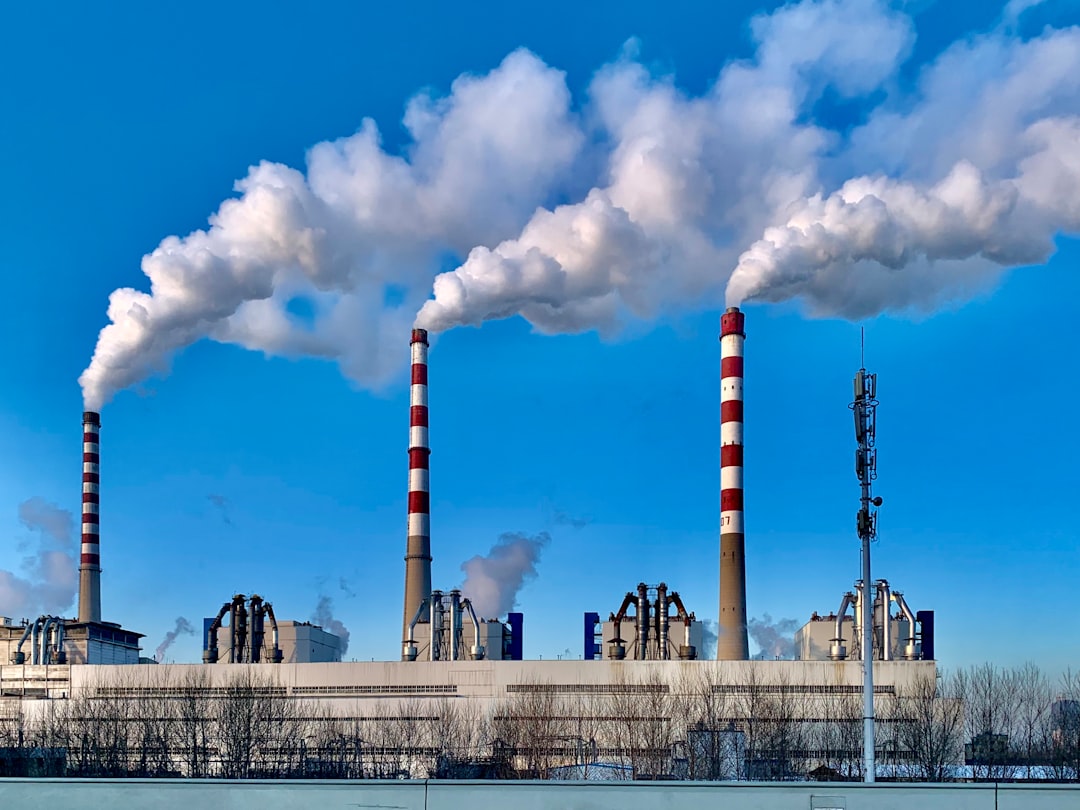
Utility power plants serve as the backbone of modern energy infrastructure, providing essential electricity to homes, businesses, and industries. These facilities convert various forms of energy into electrical power, ensuring that the grid remains stable and reliable. The significance of utility power plants cannot be overstated, as they play a crucial role in supporting economic growth and enhancing the quality of life for communities.
With the increasing demand for energy and the growing emphasis on sustainability, these plants are evolving to incorporate cleaner technologies and more efficient processes. In recent years, the landscape of utility power generation has been shifting dramatically. The transition from traditional fossil fuels to more sustainable energy sources has become a focal point for many power plants.
This shift is not only driven by environmental concerns but also by the need for energy security and economic viability. As utility power plants adapt to these changes, they face numerous challenges, including fluctuating fuel supplies, regulatory pressures, and the need for technological innovation. Among these challenges, the supply of liquefied natural gas (LNG) has emerged as a critical factor influencing the operational efficiency and sustainability of power generation.
Key Takeaways
- LNG is a critical fuel source for the utility power plant, essential for its operations and energy production.
- Recent factors have led to a shortage of LNG, impacting the plant’s ability to maintain consistent power generation.
- The power plant is exploring alternative energy sources and collaborating with LNG suppliers to mitigate the shortage effects.
- Government policies and regulations play a significant role in influencing LNG supply stability and availability.
- Long-term solutions focus on ensuring a stable LNG supply to secure the power plant’s future energy needs and operational reliability.
Overview of LNG and its Importance to the Power Plant
Liquefied natural gas (LNG) is natural gas that has been cooled to a liquid state, allowing for easier storage and transportation. This process reduces its volume by approximately 600 times, making it an efficient option for moving natural gas across long distances where pipelines are not feasible.
As utility power plants increasingly seek to reduce their carbon footprints, LNG has become a vital component of their fuel mix. The importance of LNG to utility power plants extends beyond its environmental benefits. LNG provides a reliable and flexible energy source that can be quickly ramped up or down in response to fluctuations in electricity demand.
This flexibility is particularly valuable in an era where renewable energy sources, such as wind and solar, are becoming more prevalent but are often intermittent. By utilizing LNG, power plants can ensure a stable supply of electricity while integrating renewable sources into the grid. Furthermore, LNG’s ability to serve as a backup during peak demand periods enhances the overall resilience of the energy system.
Factors Contributing to the LNG Shortage
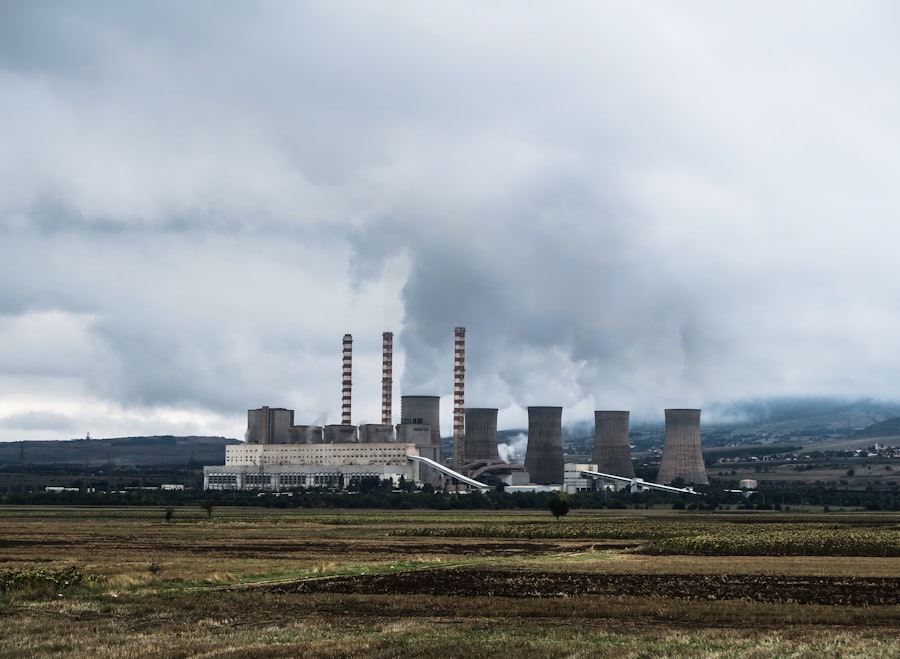
The global LNG market has faced several challenges that have contributed to a shortage of supply in recent years. One significant factor is the increasing demand for natural gas worldwide, driven by economic growth in emerging markets and a global shift towards cleaner energy sources. As countries strive to meet their climate goals, the competition for LNG has intensified, leading to higher prices and limited availability.
Additionally, geopolitical tensions and trade disputes have disrupted supply chains, further exacerbating the situation. Another contributing factor to the LNG shortage is the impact of extreme weather events on production and transportation. Natural disasters, such as hurricanes or floods, can damage infrastructure and disrupt operations at LNG facilities.
Moreover, maintenance issues at key liquefaction plants can lead to temporary reductions in output. These disruptions can create ripple effects throughout the supply chain, resulting in delays and shortages that affect utility power plants relying on LNG for their operations.
Impact of LNG Shortage on the Power Plant
The shortage of LNG has significant implications for utility power plants that depend on this fuel source for electricity generation. As supplies dwindle, power plants may face increased operational costs due to rising prices for LNG. This situation can lead to higher electricity prices for consumers, as utilities pass on these costs to their customers.
Additionally, power plants may be forced to reduce their output or switch to less efficient and more polluting fuel sources, undermining their efforts to transition towards cleaner energy. Moreover, an LNG shortage can disrupt the reliability of electricity supply. Power plants that rely heavily on LNG may struggle to meet peak demand periods or maintain consistent output levels during times of high consumption.
This instability can lead to blackouts or rolling outages, which not only inconvenience consumers but also pose risks to critical infrastructure and public safety. The long-term consequences of such disruptions can erode public trust in utility providers and hinder efforts to promote sustainable energy practices.
Efforts to Address the LNG Shortage
| Metric | Value | Unit | Notes |
|---|---|---|---|
| Average LNG Supply Shortfall | 15 | Million MMBtu | Monthly average shortage in Q1 2024 |
| Impact on Power Generation | 8 | GW | Capacity reduction due to LNG shortage |
| Duration of Shortage | 3 | Months | Period of significant LNG supply constraints |
| Increase in Alternative Fuel Usage | 25 | Percent | Shift from LNG to coal and oil in power plants |
| Average Spot LNG Price Increase | 40 | Percent | Price increase compared to previous year |
| Number of Affected Utility Plants | 12 | Plants | Plants reporting operational issues due to LNG shortage |
In response to the challenges posed by the LNG shortage, utility power plants and industry stakeholders are implementing various strategies to mitigate its impact. One approach involves diversifying fuel sources by incorporating alternative energy options alongside LNG. By investing in renewable energy technologies such as solar, wind, and hydroelectric power, utility companies can reduce their reliance on a single fuel source and enhance their overall resilience.
Additionally, many power plants are exploring partnerships with LNG suppliers to secure long-term contracts that provide more stable pricing and supply guarantees. These collaborations can help ensure that utility companies have access to the necessary resources during times of high demand or supply disruptions. Furthermore, investments in infrastructure improvements—such as expanding storage capacity or enhancing transportation networks—can facilitate more efficient distribution of LNG and reduce vulnerability to shortages.
Alternative Energy Sources for the Power Plant
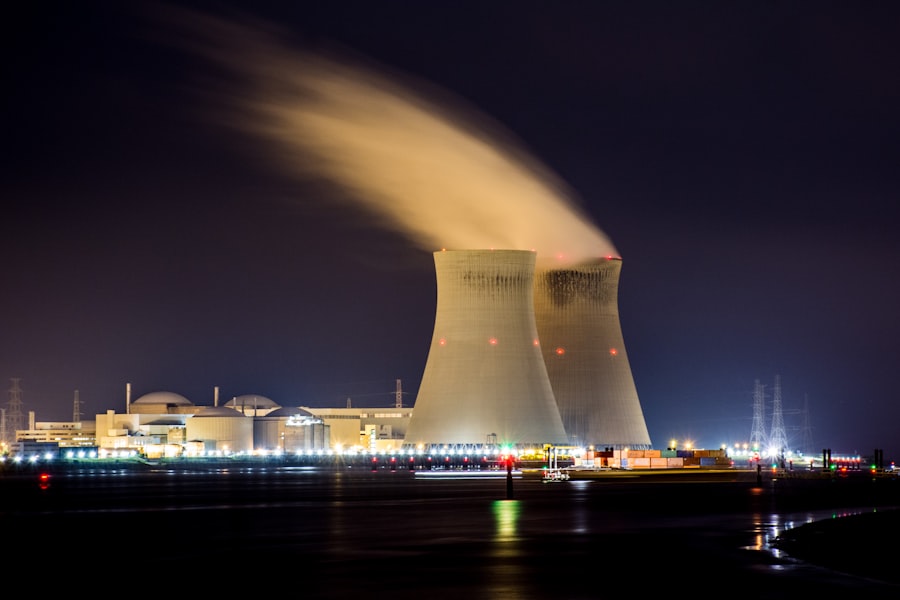
As utility power plants seek to navigate the challenges posed by LNG shortages, alternative energy sources are becoming increasingly important in their operational strategies. Renewable energy technologies such as solar and wind have gained traction due to their sustainability and decreasing costs. By integrating these sources into their energy mix, power plants can reduce their dependence on fossil fuels while contributing to a cleaner environment.
Energy storage solutions also play a crucial role in complementing renewable energy generation. Technologies such as battery storage allow power plants to store excess energy produced during peak generation periods for use during times of high demand or low renewable output. This capability enhances grid stability and ensures that electricity supply remains consistent even when renewable sources are not generating power.
By embracing these alternative energy solutions, utility power plants can create a more resilient and sustainable energy landscape.
Potential Consequences of Prolonged LNG Shortage
A prolonged shortage of LNG could have far-reaching consequences for utility power plants and the broader energy landscape. One immediate effect would be an increase in electricity prices as utilities struggle to secure adequate supplies at reasonable costs. This price volatility could lead to economic strain on consumers and businesses alike, potentially stifling economic growth in affected regions.
Moreover, if utility power plants are unable to secure sufficient LNG supplies over an extended period, they may be forced to revert to less environmentally friendly fuel sources such as coal or oil. This regression would undermine progress made toward reducing greenhouse gas emissions and achieving climate goals. Additionally, reliance on more polluting fuels could result in increased air quality issues and public health concerns, further complicating efforts to transition towards cleaner energy systems.
Collaborative Efforts with LNG Suppliers
To address the challenges posed by LNG shortages effectively, utility power plants are increasingly engaging in collaborative efforts with LNG suppliers. These partnerships can take various forms, including long-term contracts that provide price stability and supply assurance. By establishing strong relationships with suppliers, utility companies can better navigate market fluctuations and secure access to necessary resources during critical periods.
Furthermore, collaboration extends beyond contractual agreements; it also involves sharing information about market trends, production capabilities, and logistical challenges. By fostering open communication between utility companies and suppliers, both parties can work together to identify potential solutions that enhance supply chain resilience. Such collaborative efforts are essential for ensuring that utility power plants can maintain reliable operations while adapting to an evolving energy landscape.
Government Policies and Regulations Affecting LNG Supply
Government policies and regulations play a pivotal role in shaping the dynamics of the LNG market and influencing supply availability for utility power plants. Regulatory frameworks governing exploration, production, transportation, and export of natural gas can significantly impact the overall supply chain. For instance, policies aimed at promoting domestic production may enhance local supplies but could also lead to increased competition for resources on a global scale.
Additionally, environmental regulations aimed at reducing greenhouse gas emissions may influence the viability of certain LNG projects or production methods. Striking a balance between promoting sustainable practices while ensuring adequate supplies is a complex challenge that policymakers must navigate carefully. As governments continue to prioritize clean energy transitions, their decisions will have lasting implications for the availability of LNG and its role within utility power generation.
Long-term Solutions to Ensure Stable LNG Supply
To secure a stable supply of LNG for utility power plants in the long term, a multifaceted approach is necessary. One potential solution involves investing in infrastructure improvements that enhance transportation networks and storage capabilities. By expanding existing facilities or developing new ones, utilities can better manage fluctuations in supply and demand while reducing vulnerability to disruptions.
Moreover, fostering innovation within the LNG sector is crucial for developing new technologies that improve efficiency and reduce costs associated with production and transportation.
Additionally, promoting international cooperation among countries involved in LNG production can help stabilize global markets and ensure equitable access for all stakeholders.
Conclusion and Future Outlook for the Utility Power Plant
The future outlook for utility power plants amid ongoing challenges related to LNG supply is one of both uncertainty and opportunity. As these facilities adapt to changing market dynamics and regulatory landscapes, they must remain agile in their approach to fuel sourcing and energy generation strategies. The integration of alternative energy sources alongside traditional fuels will be essential for creating a more resilient energy system capable of meeting future demands.
Ultimately, collaboration among industry stakeholders—including utility companies, suppliers, policymakers, and consumers—will be vital in addressing the complexities surrounding LNG shortages. By working together towards common goals of sustainability and reliability, all parties can contribute to a more secure energy future that benefits both current generations and those yet to come. As utility power plants continue their evolution towards cleaner practices, they will play an integral role in shaping a sustainable energy landscape for years ahead.
The ongoing LNG shortage is significantly impacting utility power plants, leading to concerns about energy reliability and costs. For a deeper understanding of the implications of this shortage on energy production and the broader market, you can read more in this related article on MyGeoQuest: MyGeoQuest.
WATCH THIS 🌍 The $3 Trillion Throttle: Who Controls the World’s Supply Chain?
FAQs
What is a utility power plant?
A utility power plant is a facility that generates electricity for distribution to homes, businesses, and industries. These plants can use various energy sources such as coal, natural gas, nuclear, hydro, or renewable resources.
What is LNG and how is it used in power plants?
LNG stands for liquefied natural gas. It is natural gas that has been cooled to a liquid state for easier storage and transportation. Utility power plants use LNG as a fuel source to generate electricity, especially in regions where pipeline natural gas is not readily available.
What causes an LNG shortage for utility power plants?
An LNG shortage can be caused by factors such as increased global demand, supply chain disruptions, production limitations, geopolitical tensions, or extreme weather events that affect LNG production, transportation, or storage.
How does an LNG shortage impact utility power plants?
An LNG shortage can lead to reduced fuel availability for power plants, causing decreased electricity generation capacity, higher operational costs, and potential power outages or the need to switch to alternative fuels.
What measures can utility power plants take during an LNG shortage?
Power plants may implement fuel switching to other available energy sources, increase fuel storage reserves, improve energy efficiency, or coordinate with grid operators to manage electricity demand and supply.
Are LNG shortages common in the power generation sector?
LNG shortages are not common but can occur during periods of high demand, supply disruptions, or geopolitical issues. The frequency depends on regional infrastructure, market dynamics, and global LNG supply chains.
How do LNG shortages affect electricity prices?
LNG shortages typically lead to higher fuel costs for power plants, which can increase electricity prices for consumers due to the higher cost of generation and potential supply constraints.
What is being done to prevent LNG shortages in the future?
Efforts include expanding LNG production capacity, diversifying energy sources, improving storage and transportation infrastructure, and investing in renewable energy to reduce dependence on LNG.