
Bunkering services are essential to maritime operations, with Singapore serving as one of the world’s primary bunkering hubs. Bunkering involves the supply of marine fuel to vessels, enabling ships to complete their voyages. Singapore’s position along major international shipping lanes has established it as a central location for fuel supply operations, serving numerous shipping companies and fuel suppliers globally.
The port’s sophisticated infrastructure and adherence to stringent maritime standards have positioned Singapore as a leading international bunkering destination. Bunkering operations involve comprehensive logistics coordination, regulatory compliance, and technological integration beyond basic fuel provision. The maritime industry’s ongoing development requires increasingly efficient and dependable bunkering solutions.
Singapore has established industry benchmarks through effective operational management and technological innovation in service delivery. This analysis examines Singapore’s bunkering services, including their operational significance, competitive advantages, major industry participants, technological developments, environmental impact considerations, regulatory structure, operational challenges, and projected industry developments.
Key Takeaways
- Singapore is a major global hub for efficient and reliable bunkering services essential to maritime operations.
- The city-state offers strategic advantages including advanced infrastructure and key industry players driving the bunkering sector.
- Innovations and strict regulatory frameworks ensure high-quality, environmentally responsible bunkering practices.
- Challenges in bunkering are addressed through technological advancements and adherence to best practices.
- Future trends point towards more sustainable, efficient, and technologically integrated bunkering services in Singapore.
The Importance of Efficient Bunkering Services
Efficient bunkering services are crucial for the smooth operation of maritime activities. The timely and reliable supply of fuel directly impacts a vessel’s operational efficiency and overall performance. Delays in bunkering can lead to significant financial losses for shipping companies, as vessels may incur additional costs due to extended port stays or missed schedules.
Therefore, the efficiency of bunkering operations is not merely a matter of convenience; it is essential for maintaining the competitiveness of shipping lines in an increasingly globalized market. Moreover, efficient bunkering services contribute to the safety and environmental sustainability of maritime operations. By ensuring that ships are adequately fueled and equipped for their journeys, bunkering services help mitigate risks associated with fuel shortages or contamination.
Additionally, advancements in bunkering practices can lead to reduced emissions and improved compliance with international environmental regulations. As the maritime industry faces mounting pressure to adopt greener practices, the role of efficient bunkering services becomes even more critical in promoting sustainable shipping.
Advantages of Bunkering in Singapore
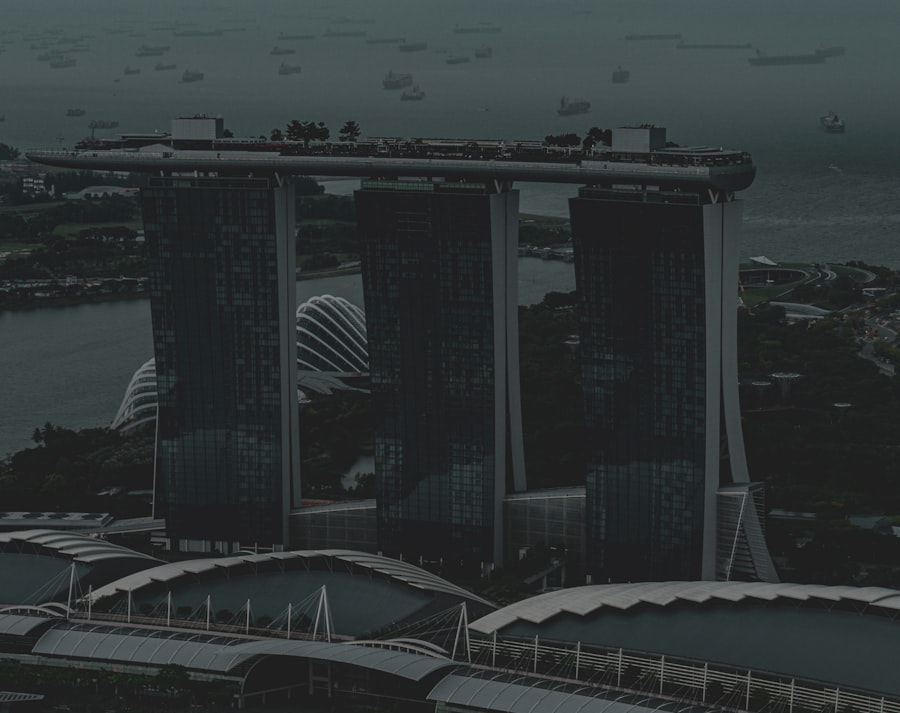
Singapore’s position as a premier bunkering hub offers numerous advantages that attract shipping companies from around the globe. One of the most significant benefits is its strategic geographical location. Situated at the crossroads of major shipping routes, Singapore provides easy access to vessels traveling between Asia, Europe, and beyond.
This accessibility not only facilitates quick turnaround times for bunkering operations but also enhances the overall efficiency of maritime logistics. In addition to its prime location, Singapore boasts a well-developed infrastructure that supports seamless bunkering services. The port is equipped with state-of-the-art facilities and technology that streamline the fueling process.
Furthermore, Singapore’s commitment to maintaining high safety and environmental standards ensures that bunkering operations are conducted with minimal risk to both personnel and the surrounding environment. These factors collectively contribute to Singapore’s reputation as a reliable and efficient bunkering destination.
Key Players in the Bunkering Industry in Singapore
The bunkering industry in Singapore is characterized by a diverse array of key players, each contributing to the sector’s overall functionality and success. Major oil companies, independent suppliers, and service providers all play vital roles in ensuring that vessels receive the fuel they need promptly and efficiently. Prominent players include multinational corporations that have established a strong presence in the region, as well as local companies that specialize in niche markets within the bunkering sector.
Collaboration among these key players is essential for maintaining the high standards associated with Singapore’s bunkering services. Partnerships between fuel suppliers and shipping companies often lead to innovative solutions that enhance service delivery. Additionally, industry associations and regulatory bodies work closely with these stakeholders to promote best practices and ensure compliance with safety and environmental regulations.
This collaborative environment fosters a culture of continuous improvement within the industry.
Innovations in Bunkering Services in Singapore
| Service | Average Volume Supplied (Metric Tons) | Number of Bunkering Vessels | Typical Fuel Types | Average Delivery Time (Hours) | Port Location |
|---|---|---|---|---|---|
| Marine Fuel Oil (MFO) Bunkering | 500 – 2,000 | 15 | IFO 180, IFO 380 | 2 – 4 | Singapore Strait |
| Marine Gas Oil (MGO) Bunkering | 100 – 800 | 10 | MGO, DMA | 1 – 3 | Jurong Port |
| Liquefied Natural Gas (LNG) Bunkering | 50 – 300 | 3 | LNG | 4 – 6 | Pasir Panjang Terminal |
| Biofuel Bunkering | 20 – 150 | 2 | Bio-MGO, Bio-IFO | 3 – 5 | Singapore Harbor |
| Onshore Bunkering Services | Varies | 5 | Various | Varies | Multiple Locations |
Innovation is at the heart of Singapore’s approach to bunkering services. The industry has embraced technological advancements that enhance operational efficiency and safety. For instance, the adoption of digital platforms for managing bunkering operations has streamlined processes such as order placement, scheduling, and tracking.
These digital solutions enable real-time communication between suppliers and shipping companies, reducing the likelihood of errors and delays. Furthermore, Singapore has been at the forefront of developing eco-friendly bunkering solutions. The introduction of alternative fuels, such as liquefied natural gas (LNG) and biofuels, reflects the industry’s commitment to reducing its carbon footprint.
These innovations not only align with global sustainability goals but also position Singapore as a leader in environmentally responsible bunkering practices. As the industry continues to evolve, ongoing investment in research and development will likely yield even more groundbreaking solutions.
Environmental Considerations in Bunkering Operations
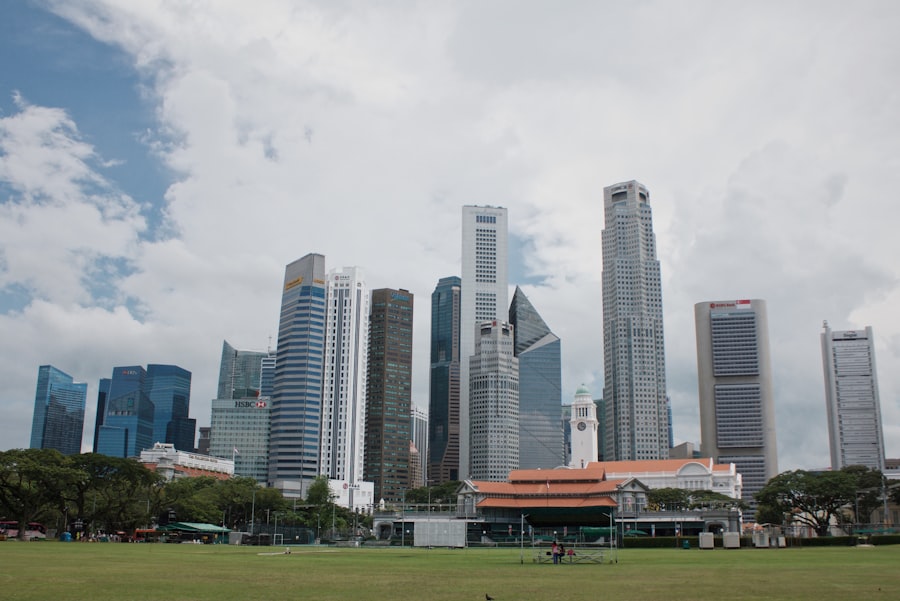
As global awareness of environmental issues grows, the bunkering industry faces increasing scrutiny regarding its impact on marine ecosystems and air quality. In response to these concerns, Singapore has implemented stringent environmental regulations governing bunkering operations.
One significant initiative is the adoption of cleaner fuels that comply with international standards set by organizations such as the International Maritime Organization (IMO). The transition to low-sulfur fuels is a critical step toward reducing harmful emissions from ships. Additionally, Singapore has invested in advanced monitoring systems that track emissions during bunkering operations, ensuring compliance with environmental regulations.
By prioritizing environmental considerations, Singapore’s bunkering industry demonstrates its commitment to sustainable development while maintaining its status as a global leader.
Regulatory Framework for Bunkering Services in Singapore
The regulatory framework governing bunkering services in Singapore is robust and comprehensive, designed to ensure safety, efficiency, and environmental protection. The Maritime and Port Authority of Singapore (MPA) plays a central role in overseeing the industry, implementing regulations that govern all aspects of bunkering operations. These regulations cover everything from safety protocols during fueling operations to standards for fuel quality.
Compliance with these regulations is mandatory for all players in the bunkering sector. Regular inspections and audits are conducted to ensure adherence to safety standards and environmental guidelines. Additionally, training programs are offered to personnel involved in bunkering operations to enhance their understanding of regulatory requirements and best practices.
This rigorous regulatory framework not only safeguards public health and safety but also reinforces Singapore’s reputation as a reliable hub for maritime activities.
Challenges and Solutions in Bunkering Operations
Despite its many advantages, the bunkering industry in Singapore faces several challenges that require innovative solutions. One significant challenge is the volatility of global fuel prices, which can impact operational costs for both suppliers and shipping companies. Fluctuations in fuel prices may lead to uncertainty in budgeting and financial planning for maritime operators.
To address this challenge, many companies are adopting hedging strategies to mitigate risks associated with price volatility. By locking in fuel prices through forward contracts or options, shipping companies can stabilize their operating costs over time. Additionally, fostering strong relationships between suppliers and customers can lead to more favorable pricing arrangements that benefit both parties.
Another challenge is ensuring compliance with increasingly stringent environmental regulations while maintaining operational efficiency. As regulations evolve, companies must invest in new technologies and training programs to meet compliance requirements without compromising service delivery. Collaborative efforts among industry stakeholders can facilitate knowledge sharing and best practices that enhance compliance while driving innovation.
Quality Assurance and Best Practices in Bunkering Services
Quality assurance is paramount in the bunkering industry, where even minor discrepancies can have significant consequences for vessel performance and safety. To uphold high standards, Singapore’s bunkering sector has established rigorous quality assurance protocols that govern every aspect of fuel supply operations. These protocols encompass everything from fuel testing procedures to equipment maintenance schedules.
Best practices within the industry emphasize transparency and accountability among all stakeholders involved in the bunkering process. Regular audits and inspections are conducted to ensure compliance with quality standards, while training programs equip personnel with the knowledge needed to uphold these standards consistently. By fostering a culture of quality assurance, Singapore’s bunkering industry not only enhances its reputation but also contributes to safer and more efficient maritime operations.
Future Trends in Bunkering Services in Singapore
Looking ahead, several trends are poised to shape the future of bunkering services in Singapore. One prominent trend is the increasing emphasis on sustainability within the maritime sector. As global pressure mounts for industries to reduce their carbon footprints, the demand for alternative fuels such as LNG and hydrogen is expected to rise significantly.
Singapore’s proactive approach to developing infrastructure for these fuels positions it well to meet this growing demand. Additionally, advancements in digital technology will continue to transform bunkering operations. The integration of artificial intelligence (AI) and data analytics into supply chain management will enable more precise forecasting and inventory management, ultimately enhancing operational efficiency.
Furthermore, blockchain technology may play a role in improving transparency and traceability within the supply chain, fostering trust among stakeholders.
The Future of Efficient Bunkering Services in Singapore
In conclusion, Singapore’s position as a leading hub for bunkering services is underpinned by its commitment to efficiency, innovation, and sustainability. The importance of efficient bunkering services cannot be overstated; they are essential for ensuring safe maritime operations while minimizing environmental impact. As the industry navigates challenges such as price volatility and regulatory compliance, collaborative efforts among key players will be crucial for driving continuous improvement.
Looking forward, Singapore’s focus on embracing new technologies and sustainable practices will likely solidify its status as a global leader in bunkering services for years to come. By prioritizing quality assurance and best practices while remaining adaptable to changing market dynamics, Singapore’s bunkering industry is well-positioned to meet the evolving needs of the maritime sector while contributing positively to global sustainability goals.
Bunkering services in Singapore play a crucial role in the maritime industry, providing essential fuel supplies to vessels operating in one of the world’s busiest ports. For a deeper understanding of the dynamics and trends in this sector, you can read more in the article available at MyGeoQuest. This resource offers valuable insights into the various aspects of bunkering and its significance in global shipping operations.
WATCH THIS 🌍 The $3 Trillion Throttle: Who Controls the World’s Supply Chain?
FAQs
What is bunkering in Singapore?
Bunkering in Singapore refers to the process of supplying fuel to ships. Singapore is one of the world’s largest bunkering ports, providing marine fuel to vessels passing through or docking at its port.
What types of bunkering services are available in Singapore?
Singapore offers various bunkering services including ship-to-ship (STS) bunkering, barge bunkering, and terminal bunkering. These services cater to different vessel sizes and operational requirements.
Why is Singapore a popular bunkering hub?
Singapore’s strategic location along major shipping routes, advanced port infrastructure, competitive fuel prices, and strict quality control measures make it a preferred bunkering hub globally.
What types of fuel are supplied in Singapore bunkering services?
Singapore supplies a range of marine fuels including Very Low Sulfur Fuel Oil (VLSFO), Marine Gas Oil (MGO), and High Sulfur Fuel Oil (HSFO), complying with International Maritime Organization (IMO) regulations.
How is fuel quality ensured in Singapore bunkering?
Fuel quality in Singapore is ensured through stringent testing, certification, and adherence to international standards. The Maritime and Port Authority of Singapore (MPA) oversees quality control and regulatory compliance.
Are there environmental regulations affecting bunkering in Singapore?
Yes, Singapore complies with IMO regulations such as the Sulphur Emission Control Area (SECA) limits and promotes the use of cleaner fuels to reduce environmental impact from shipping emissions.
How can ship operators arrange bunkering services in Singapore?
Ship operators can arrange bunkering services through licensed bunker suppliers or brokers in Singapore. It is advisable to plan in advance and verify supplier credentials for smooth operations.
What safety measures are in place during bunkering operations?
Safety measures include strict adherence to international safety protocols, continuous monitoring, trained personnel, and emergency response plans to prevent spills, fires, and accidents during bunkering.
Is bunkering in Singapore cost-effective?
Singapore offers competitive pricing due to its large fuel supply network, efficient logistics, and economies of scale, making it a cost-effective choice for ship operators.
Can bunkering services in Singapore accommodate large vessels?
Yes, Singapore’s port facilities and bunkering infrastructure are capable of servicing a wide range of vessels, from small ships to large tankers and container ships.