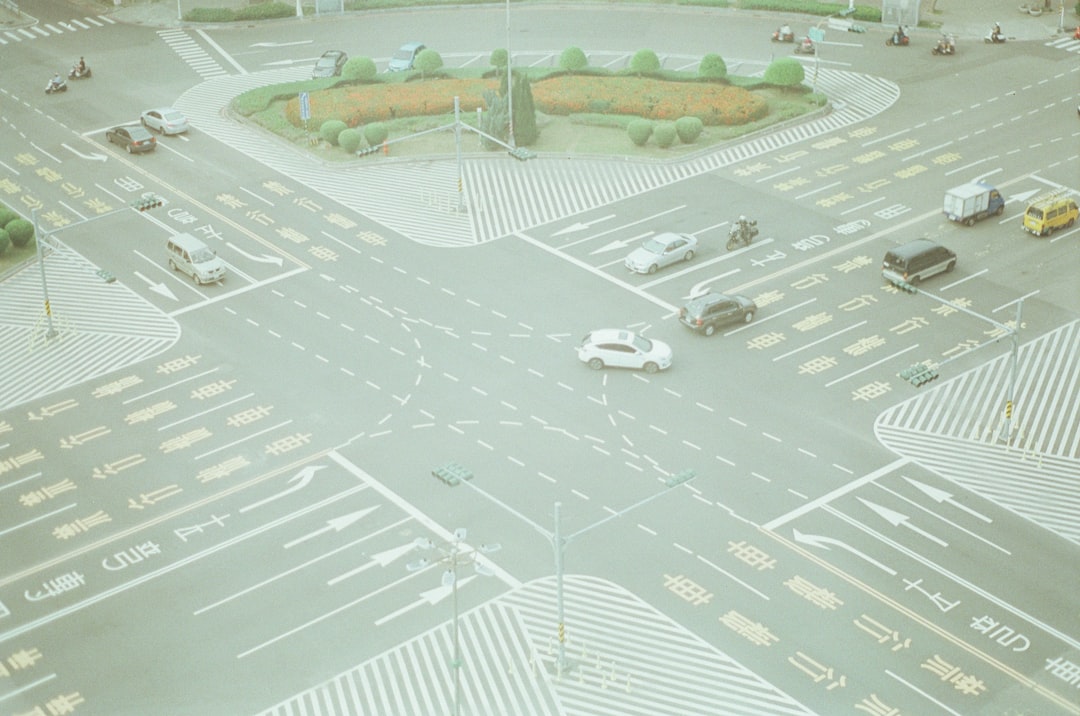
Vessel Traffic Separation Schemes (VTSS) are regulatory maritime systems implemented to improve navigation safety and traffic flow in high-density shipping areas. These schemes are established by national maritime authorities and the International Maritime Organization (IMO) to systematically organize vessel movements in congested waterways where collision risks are elevated. VTSS creates distinct traffic lanes that separate opposing vessel flows, reducing the probability of head-on encounters and providing predictable routing patterns for mariners.
The development of VTSS addresses the operational challenges posed by increasing maritime traffic volumes, particularly in approaches to major ports, straits, and coastal shipping corridors. Statistical data demonstrates that areas without organized traffic management experience higher incident rates compared to regulated zones. VTSS implementation involves the designation of specific traffic lanes based on vessel characteristics including size, draft, speed, and cargo type.
These schemes incorporate separation zones between opposing traffic flows, inshore traffic zones for local vessels, and precautionary areas where special navigation rules apply.
Key Takeaways
- Vessel Traffic Separation Schemes (VTSS) are designated maritime routes designed to organize vessel movement and prevent collisions.
- Adhering to rules and regulations within VTSS is crucial for maintaining safe and efficient navigation.
- Effective communication and collaboration among vessels enhance safety and coordination in traffic separation zones.
- Utilizing advanced technology and continuous training improves navigation accuracy and response within VTSS.
- Understanding environmental factors and learning from past incidents help in developing better safety practices and future improvements.
The Importance of Vessel Traffic Separation Schemes
The significance of Vessel Traffic Separation Schemes cannot be overstated. They play a crucial role in safeguarding lives at sea, protecting the marine environment, and ensuring the smooth operation of maritime commerce. By reducing the risk of collisions, VTSS contributes to the safety of crew members, passengers, and cargo aboard vessels.
This is particularly vital in high-traffic areas where the consequences of an accident could be catastrophic. Moreover, VTSS enhances operational efficiency for shipping companies and maritime operators. By providing clear guidelines for navigation, these schemes help vessels optimize their routes, reduce transit times, and lower fuel consumption.
This not only benefits individual operators but also contributes to the overall efficiency of global trade. In an era where timely delivery is paramount, the role of VTSS in facilitating smooth maritime operations is increasingly recognized as a key component of successful logistics.
Rules and Regulations within Vessel Traffic Separation Schemes
Navigating within Vessel Traffic Separation Schemes requires adherence to a set of established rules and regulations designed to ensure safety and order. These regulations are typically outlined by international maritime organizations, such as the International Maritime Organization (IMO), and are enforced by national authorities. Vessels must comply with specific traffic patterns, speed limits, and reporting requirements when operating within these schemes.
For instance, larger commercial ships may have distinct protocols compared to smaller recreational boats. Understanding these regulations is crucial for all mariners, as non-compliance can lead to serious consequences, including fines or even accidents.
Therefore, it is imperative for vessel operators to familiarize themselves with the rules governing the VTSS in their operating areas.
How to Navigate within Vessel Traffic Separation Schemes
Navigating within Vessel Traffic Separation Schemes involves a combination of situational awareness, adherence to established routes, and effective communication with other vessels. Mariners must remain vigilant while monitoring their surroundings and be prepared to adjust their course as necessary. The designated lanes within a VTSS are typically marked on nautical charts and may also be indicated by buoys or other navigational aids.
In addition to following the prescribed routes, vessel operators should also be aware of any potential hazards that may arise within the scheme. This includes understanding the behavior of other vessels, recognizing changes in weather conditions, and being mindful of any navigational warnings issued by authorities. By maintaining a proactive approach to navigation, mariners can significantly reduce the risk of incidents while operating within a VTSS.
Communication and Collaboration with Other Vessels
| Metric | Description | Typical Values | Unit |
|---|---|---|---|
| Traffic Lane Width | Width of each traffic lane in the separation scheme | 1.5 – 3.0 | nautical miles |
| Separation Zone Width | Buffer zone between opposing traffic lanes | 0.5 – 1.0 | nautical miles |
| Vessel Traffic Density | Number of vessels passing through the scheme per day | 50 – 300 | vessels/day |
| Speed Limit | Maximum allowed vessel speed within the scheme | 10 – 15 | knots |
| Separation Scheme Length | Length of the traffic separation scheme | 10 – 50 | nautical miles |
| Incident Rate | Number of collisions or groundings per year within the scheme | 0 – 5 | incidents/year |
| Vessel Types | Common vessel types using the scheme | Tankers, Cargo Ships, Passenger Ships, Fishing Vessels | N/A |
Effective communication and collaboration among vessels are vital components of safe navigation within Vessel Traffic Separation Schemes. Mariners are encouraged to utilize radio communication to share their intentions and coordinate movements with nearby vessels. This is particularly important in congested areas where multiple vessels may be operating in close proximity.
In addition to verbal communication, visual signals can also play a crucial role in ensuring safe navigation. Mariners should be familiar with the International Regulations for Preventing Collisions at Sea (COLREGs), which outline the appropriate signals for various situations. By fostering a culture of communication and collaboration, vessel operators can enhance situational awareness and contribute to a safer maritime environment.
Safety Measures and Best Practices within Vessel Traffic Separation Schemes

Safety measures and best practices are integral to navigating within Vessel Traffic Separation Schemes effectively. Mariners should prioritize thorough pre-voyage planning, which includes reviewing charts, understanding traffic patterns, and assessing potential risks associated with the route. Additionally, maintaining a proper lookout is essential; this involves not only watching for other vessels but also being aware of environmental factors that could impact navigation.
Another critical aspect of safety is ensuring that all crew members are well-trained and familiar with the vessel’s equipment and emergency procedures. Regular drills and training sessions can help reinforce safety protocols and ensure that everyone on board knows how to respond in case of an emergency. By cultivating a safety-first mindset among crew members, vessel operators can significantly enhance their ability to navigate safely within VTSS.
Weather and Environmental Considerations in Vessel Traffic Separation Schemes
Weather conditions play a significant role in maritime navigation, particularly within Vessel Traffic Separation Schemes. Mariners must remain vigilant about changing weather patterns that could affect visibility, sea state, or wind conditions. Adverse weather can complicate navigation within a VTSS, making it essential for vessel operators to stay informed about forecasts and be prepared to adjust their plans accordingly.
Environmental considerations also extend beyond immediate weather conditions. Mariners should be aware of potential ecological impacts associated with their operations within VTSS. This includes understanding local wildlife habitats and being mindful of any regulations aimed at protecting marine ecosystems.
Technology and Tools for Navigating within Vessel Traffic Separation Schemes
Advancements in technology have revolutionized navigation within Vessel Traffic Separation Schemes. Modern vessels are equipped with sophisticated navigational tools such as Global Positioning Systems (GPS), Automatic Identification Systems (AIS), and Electronic Chart Display and Information Systems (ECDIS). These technologies provide real-time data on vessel positions, traffic patterns, and environmental conditions, enabling mariners to make informed decisions while navigating through busy waterways.
In addition to onboard technology, various applications and software solutions have emerged to assist mariners in planning their routes within VTSS. These tools often incorporate real-time traffic information, weather updates, and navigational warnings, allowing vessel operators to optimize their journeys while adhering to safety protocols. As technology continues to evolve, its integration into maritime navigation will likely enhance safety and efficiency within Vessel Traffic Separation Schemes.
Training and Education for Navigating within Vessel Traffic Separation Schemes
Training and education are paramount for ensuring that mariners possess the necessary skills and knowledge to navigate effectively within Vessel Traffic Separation Schemes. Maritime training institutions offer specialized courses focused on VTSS regulations, navigational techniques, and emergency response procedures. These programs equip future mariners with the tools they need to operate safely in complex maritime environments.
Furthermore, ongoing training is essential for experienced mariners as well. Regular refresher courses can help reinforce best practices and keep crew members updated on any changes in regulations or technology. By fostering a culture of continuous learning within the maritime industry, operators can enhance overall safety standards and ensure that all personnel are well-prepared for the challenges associated with navigating through VTSS.
Case Studies and Lessons Learned from Vessel Traffic Separation Schemes
Examining case studies related to Vessel Traffic Separation Schemes provides valuable insights into both successes and challenges faced by mariners operating within these frameworks. For instance, incidents involving collisions or groundings often highlight areas where adherence to regulations could have prevented accidents. Analyzing these cases allows maritime authorities to identify trends and implement improvements in VTSS design or enforcement.
Additionally, successful case studies can serve as models for best practices in navigation within VTSS. Instances where effective communication among vessels led to safe passage through congested areas demonstrate the importance of collaboration in maritime operations. By learning from both positive and negative experiences, the maritime community can continue to refine its approach to navigating within Vessel Traffic Separation Schemes.
The Future of Navigating within Vessel Traffic Separation Schemes
As global maritime traffic continues to grow, the future of navigating within Vessel Traffic Separation Schemes will likely evolve alongside advancements in technology and changes in regulatory frameworks. The integration of artificial intelligence (AI) and machine learning into navigational systems may enhance situational awareness for mariners by providing predictive analytics based on historical data. Moreover, as environmental concerns become increasingly pressing, there may be a shift towards more sustainable practices within VTSS design and operation.
This could involve implementing measures aimed at reducing emissions or minimizing ecological impacts associated with maritime traffic. The future will undoubtedly require a collaborative effort among industry stakeholders to ensure that Vessel Traffic Separation Schemes remain effective in promoting safety while addressing emerging challenges in the maritime domain. In conclusion, navigating within Vessel Traffic Separation Schemes is a multifaceted endeavor that requires a comprehensive understanding of regulations, effective communication strategies, adherence to safety measures, and an awareness of environmental considerations.
As technology continues to advance and the maritime landscape evolves, ongoing training and education will be essential for mariners seeking to operate safely within these critical frameworks. Through collaboration and continuous improvement, the maritime community can work towards enhancing safety and efficiency in busy waterways around the world.
Vessel traffic separation schemes (VTSS) play a crucial role in enhancing maritime safety and efficiency by organizing the movement of vessels in busy waterways. For a deeper understanding of how these schemes are implemented and their impact on maritime navigation, you can read more in this related article on MyGeoQuest: