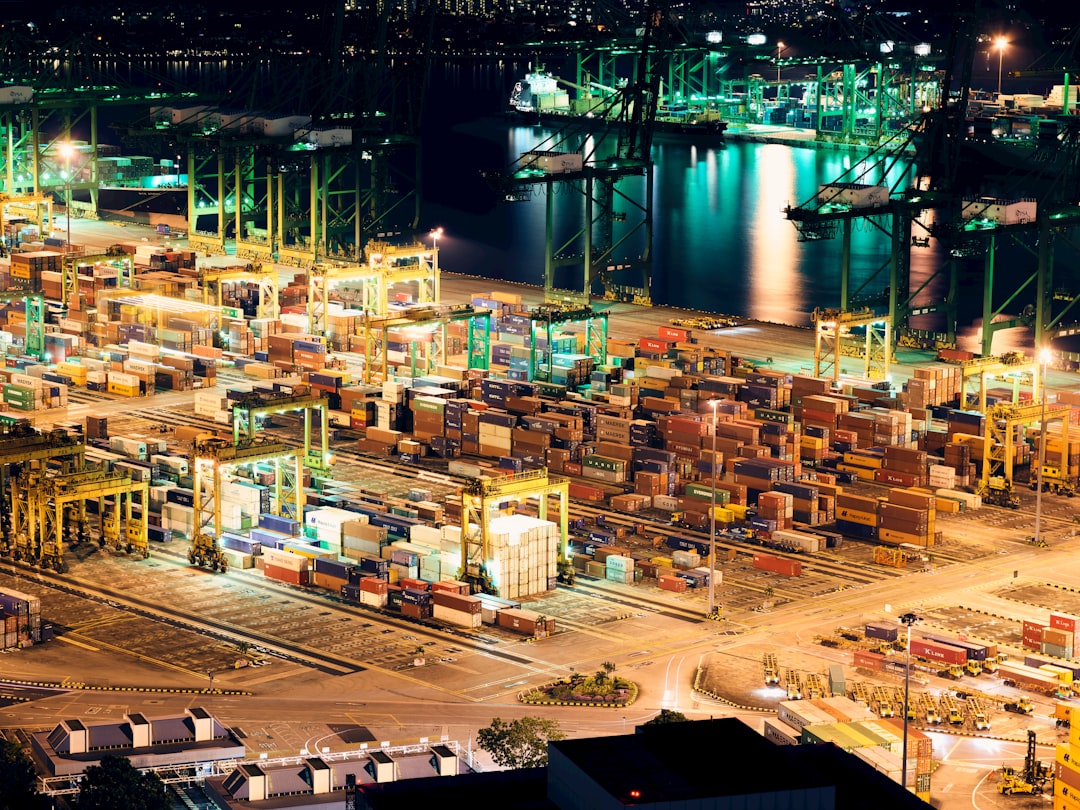
Port congestion has emerged as a significant challenge in global trade, particularly in recent years. As the backbone of international commerce, ports serve as critical nodes where goods are transferred between ships, trucks, and trains. However, the increasing volume of cargo, coupled with various operational inefficiencies, has led to severe bottlenecks in many of the world’s busiest ports.
This congestion not only disrupts the flow of goods but also has far-reaching implications for economies and supply chains worldwide. Understanding the dynamics of port congestion is essential for stakeholders across the shipping and logistics sectors. The phenomenon of port congestion is not new; however, its intensity has escalated due to a confluence of factors, including the rise of e-commerce, global supply chain disruptions, and the ongoing effects of the COVID-19 pandemic.
As consumer demand surged during lockdowns, ports struggled to keep pace with the influx of goods. This article delves into the multifaceted causes and consequences of port congestion, exploring its impact on trade, supply chains, and the broader economy.
Key Takeaways
- Port congestion disrupts global trade by delaying shipments and increasing costs.
- Key causes include labor shortages, infrastructure limitations, and surges in cargo volume.
- Congestion negatively impacts supply chains, leading to inventory shortages and production delays.
- Economic consequences include higher operational costs for businesses and increased consumer prices.
- Mitigation strategies involve infrastructure investment, policy reforms, and improved port management.
Causes of Port Congestion
Several factors contribute to the growing issue of port congestion, each interlinked and often exacerbating one another. One primary cause is the dramatic increase in container shipping volumes. The global economy has seen a surge in demand for imported goods, driven largely by e-commerce and changing consumer behaviors.
As more goods are shipped internationally, ports have become overwhelmed, leading to delays in unloading and processing containers. The sheer volume of cargo arriving at ports can exceed their capacity, resulting in ships waiting offshore for extended periods. In addition to increased cargo volumes, operational inefficiencies within port facilities play a significant role in congestion.
Many ports are equipped with outdated infrastructure that struggles to accommodate modern shipping demands. Insufficient cranes, inadequate storage space, and slow customs processing can all contribute to delays. Furthermore, labor shortages and strikes can exacerbate these issues, as seen during various labor disputes in recent years.
The combination of high demand and operational shortcomings creates a perfect storm for congestion at ports around the globe.
Effects of Port Congestion on Trade
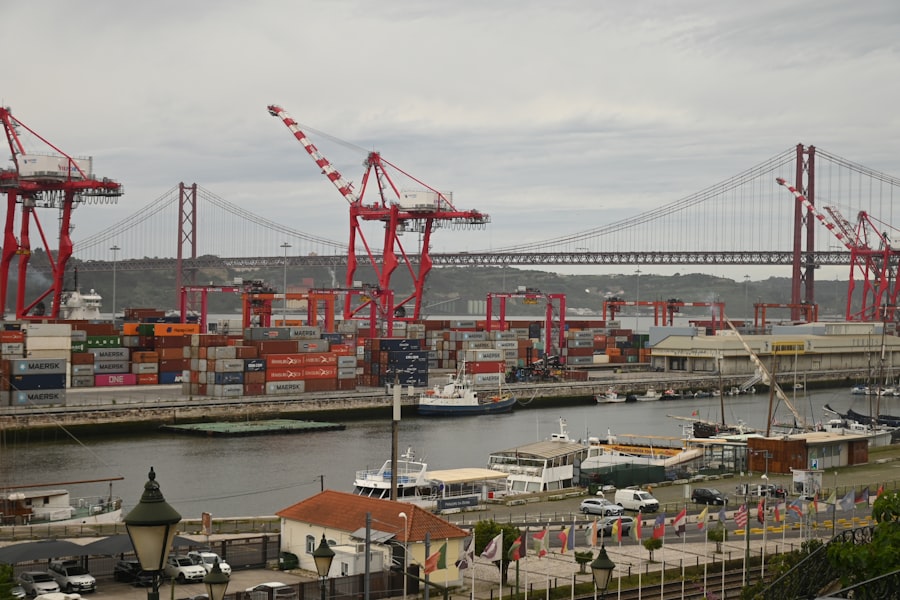
The ramifications of port congestion extend far beyond the confines of individual ports; they ripple through global trade networks. Delays in unloading cargo can lead to missed shipping schedules, which disrupt supply chains and create a domino effect that impacts businesses worldwide. For instance, manufacturers relying on timely deliveries of raw materials may face production halts, leading to reduced output and potential revenue losses.
This disruption can ultimately affect consumers who rely on these products. Moreover, port congestion can lead to increased shipping costs as carriers seek to mitigate delays. When ships are forced to wait longer to dock, they incur additional fuel costs and may need to adjust their routes or schedules.
These increased expenses are often passed down the supply chain, resulting in higher prices for goods. Consequently, port congestion not only affects the efficiency of trade but also has the potential to inflate costs for consumers and businesses alike.
Impact of Port Congestion on Supply Chains
The impact of port congestion on supply chains is profound and multifaceted. Supply chains are designed to be efficient and responsive; however, when ports become congested, this efficiency is compromised. Delays in receiving goods can lead to inventory shortages for retailers and manufacturers alike.
For instance, a retailer expecting a shipment of seasonal products may find themselves unable to meet consumer demand due to delays at the port. This can result in lost sales opportunities and diminished customer satisfaction. Furthermore, port congestion can force companies to rethink their supply chain strategies altogether.
Businesses may seek alternative shipping routes or modes of transportation to avoid congested ports, which can lead to increased logistics costs and longer delivery times. In some cases, companies may even choose to stockpile inventory closer to their markets to mitigate the risks associated with port delays. Such strategic shifts can have long-term implications for how businesses operate and manage their supply chains.
Economic Costs of Port Congestion
| Metric | Description | Impact on Economy | Example Value | Unit |
|---|---|---|---|---|
| Average Vessel Waiting Time | Time ships spend waiting to dock at congested ports | Increases shipping costs and delays supply chains | 5-10 | Days |
| Container Dwell Time | Duration containers remain at the port before pickup | Leads to higher storage fees and reduced port efficiency | 7-14 | Days |
| Increased Freight Costs | Additional costs incurred due to delays and congestion | Raises prices of goods and impacts inflation | 10-30 | Percent increase |
| Supply Chain Disruptions | Delays and unpredictability in product delivery | Reduces manufacturing output and retail availability | Varies | Qualitative |
| Loss in GDP | Economic output lost due to port congestion | Slows economic growth and reduces trade competitiveness | 0.1-0.5 | Percent of GDP |
| Increased Inventory Costs | Higher costs for businesses holding extra stock | Reduces profitability and increases working capital needs | 15-25 | Percent increase |
The economic costs associated with port congestion are staggering and multifaceted.
These costs stem from a variety of sources, including increased shipping fees, lost productivity, and wasted resources.
For instance, when ships are delayed at sea or forced to wait at anchor due to port congestion, shipping lines incur additional fuel costs that can significantly impact their bottom line. Moreover, the economic ramifications extend beyond shipping companies; they affect entire industries reliant on timely deliveries. Manufacturing sectors may experience production slowdowns or shutdowns due to delays in receiving essential components.
This not only affects individual companies but can also ripple through entire economies, leading to job losses and reduced economic growth. The cumulative effect of these costs underscores the urgent need for effective solutions to address port congestion.
Losses for Businesses due to Port Congestion
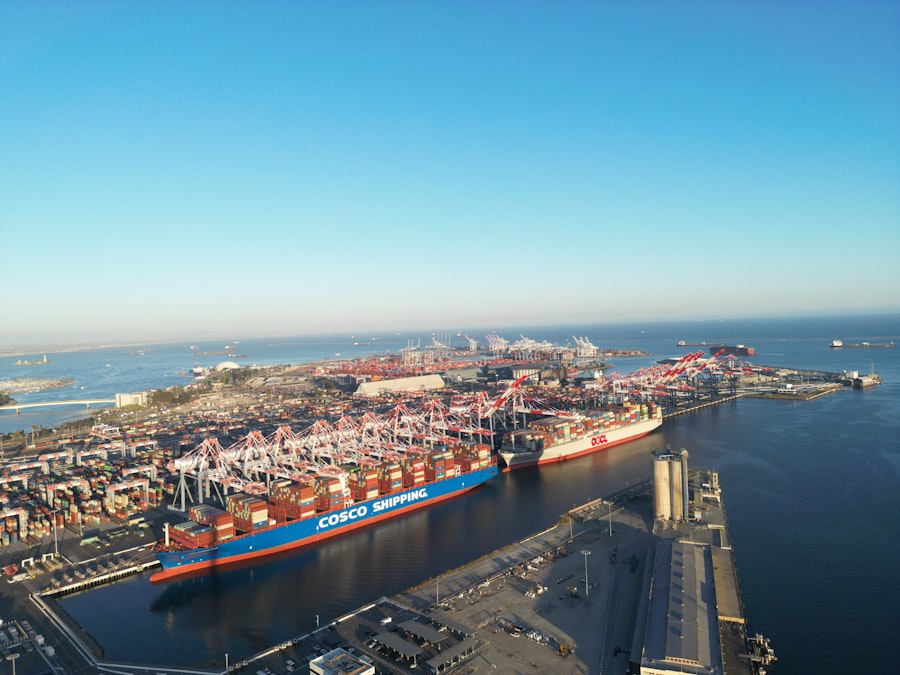
Businesses across various sectors face significant losses due to port congestion. The inability to receive goods on time can lead to missed sales opportunities and diminished customer loyalty. Retailers who cannot stock popular items due to delays may find themselves losing market share to competitors who can deliver products more efficiently.
Additionally, manufacturers may incur extra costs associated with expedited shipping or alternative sourcing strategies as they scramble to meet production deadlines. The financial impact of these losses can be substantial. Companies may need to invest in additional warehousing or logistics solutions to cope with unpredictable delivery schedules caused by port congestion.
Furthermore, businesses may face penalties for failing to meet contractual obligations due to delays in receiving goods. These financial strains can hinder growth prospects and force companies to reevaluate their operational strategies in an increasingly competitive marketplace.
Implications for Consumer Prices
The implications of port congestion extend directly to consumer prices, creating a ripple effect that impacts everyday shoppers. As shipping costs rise due to delays and inefficiencies at ports, these increased expenses are often passed down the supply chain until they reach consumers’ wallets. For example, if a retailer faces higher shipping fees due to port congestion, they may raise prices on their products to maintain profit margins.
This can lead to inflationary pressures on essential goods and services. Moreover, consumers may experience reduced product availability as businesses struggle to keep shelves stocked amid ongoing delays. This scarcity can further drive up prices as demand outstrips supply.
In this way, port congestion not only affects the cost of goods but also influences consumer behavior as shoppers adjust their purchasing decisions based on availability and pricing trends.
Environmental Impact of Port Congestion
The environmental impact of port congestion is an often-overlooked aspect of this complex issue. Increased waiting times for ships at sea or in port lead to higher fuel consumption and emissions from vessels idling or operating inefficiently. This contributes significantly to air pollution and greenhouse gas emissions in coastal areas where many major ports are located.
The environmental consequences extend beyond immediate emissions; they also affect local ecosystems and communities that rely on clean air and water. Additionally, the increased truck traffic associated with moving goods from congested ports can exacerbate road congestion and pollution levels in surrounding areas. As trucks wait longer at ports or navigate congested roadways, they contribute further to emissions and environmental degradation.
Addressing port congestion is not only an economic imperative but also an environmental one; finding solutions that streamline operations can help mitigate these negative impacts on both local communities and the planet.
Strategies to Mitigate Port Congestion
To address the pressing issue of port congestion, stakeholders must implement a range of strategies aimed at improving efficiency and capacity within port operations. One effective approach is investing in modernizing port infrastructure through advanced technologies such as automation and digitalization. Automated cranes and real-time tracking systems can enhance cargo handling efficiency while reducing turnaround times for vessels.
Collaboration among various stakeholders is also crucial in mitigating congestion. Shipping lines, terminal operators, customs authorities, and trucking companies must work together to streamline processes and share information effectively. Implementing data-sharing platforms can facilitate better coordination among these entities, allowing for more efficient scheduling and resource allocation.
Government Policies and Port Congestion
Government policies play a pivotal role in addressing port congestion challenges. Policymakers must prioritize investments in infrastructure development and modernization initiatives that enhance port capacity and efficiency. This includes funding for expanding berths, improving road access, and upgrading technology systems within ports.
Additionally, regulatory frameworks should encourage collaboration among stakeholders while promoting competition within the shipping industry. By fostering an environment conducive to innovation and efficiency improvements, governments can help alleviate some of the pressures contributing to port congestion.
Future Outlook for Port Congestion and the Economy
The future outlook for port congestion remains uncertain but presents both challenges and opportunities for stakeholders across the global supply chain landscape. As e-commerce continues its upward trajectory and consumer demand fluctuates, ports will need to adapt quickly to changing dynamics. Investments in technology and infrastructure will be essential for enhancing capacity while minimizing delays.
Moreover, as sustainability becomes an increasingly important focus for businesses and consumers alike, addressing environmental concerns associated with port congestion will be paramount. By prioritizing efficient operations that reduce emissions while maintaining economic viability, stakeholders can work towards a more sustainable future for global trade. In conclusion, while port congestion poses significant challenges for trade and supply chains today, proactive measures taken by governments and industry players can pave the way for a more efficient tomorrow.
By understanding its causes and effects comprehensively—ranging from economic costs to environmental impacts—stakeholders can develop targeted strategies that mitigate these issues effectively while fostering resilience within global commerce systems.
Port congestion has significant economic implications, affecting supply chains and increasing costs for businesses. For a deeper understanding of this issue, you can read a related article that discusses the economic impact of port congestion in detail. Check it out here: mygeoquest.
com/sample-page/’>Economic Impact of Port Congestion.
WATCH THIS 🌍 The $3 Trillion Throttle: Who Controls the World’s Supply Chain?
FAQs
What is port congestion?
Port congestion occurs when the volume of ships arriving at a port exceeds its handling capacity, leading to delays in unloading and loading cargo.
How does port congestion affect the economy?
Port congestion can disrupt supply chains, increase shipping costs, delay deliveries, and reduce the efficiency of trade, ultimately impacting economic growth and business profitability.
What are the main causes of port congestion?
Common causes include increased trade volumes, labor shortages, limited port infrastructure, equipment breakdowns, and external factors such as weather or regulatory delays.
Which industries are most affected by port congestion?
Industries reliant on timely imports and exports, such as manufacturing, retail, automotive, and agriculture, are particularly vulnerable to the effects of port congestion.
How does port congestion impact shipping costs?
Delays caused by congestion increase vessel waiting times and fuel consumption, leading to higher shipping fees and surcharges that are often passed on to consumers.
Can port congestion lead to inflation?
Yes, by increasing the cost and delay of goods, port congestion can contribute to higher prices for consumers, thereby exerting inflationary pressure on the economy.
What measures can be taken to reduce port congestion?
Solutions include expanding port infrastructure, improving logistics and scheduling, increasing labor availability, adopting technology for better cargo handling, and enhancing coordination among stakeholders.
Is port congestion a temporary or long-term issue?
Port congestion can be both; it may arise from short-term disruptions or reflect longer-term capacity constraints requiring strategic investments and policy changes.
How do governments respond to port congestion?
Governments may invest in infrastructure upgrades, streamline customs procedures, support workforce training, and collaborate with private sector partners to improve port efficiency.
What role does technology play in addressing port congestion?
Technology such as automated cargo handling, real-time tracking systems, and data analytics helps optimize port operations, reduce delays, and improve overall throughput.