Water scarcity has emerged as one of the most pressing global challenges of the 21st century. With an ever-increasing population and the effects of climate change exacerbating droughts and altering precipitation patterns, many regions are facing severe shortages of fresh water. Desalination, the process of converting seawater into potable water, has gained prominence as a viable solution to this crisis.
It offers a means to tap into the vast reserves of saltwater that cover approximately 71% of the Earth’s surface, providing a potentially limitless source of drinking water for communities in need. The significance of desalination extends beyond merely providing water; it also plays a crucial role in enhancing food security and supporting economic development. In arid regions where agriculture is heavily reliant on freshwater sources, desalination can help sustain crop production and livestock farming.
Furthermore, as industries expand and urban areas grow, the demand for water continues to rise. Desalination can alleviate some of this pressure, ensuring that both people and industries have access to the water they require for survival and growth.
Key Takeaways
- Desalination is crucial for addressing global water scarcity by providing an alternative freshwater source.
- The process involves removing salt from seawater, typically through methods like reverse osmosis or thermal distillation.
- Environmental concerns include energy consumption, brine disposal, and impacts on marine ecosystems.
- Integrating renewable energy can enhance the sustainability and reduce the carbon footprint of desalination plants.
- Ongoing innovations and strict regulations are essential to improve efficiency, economic viability, and minimize negative effects on coastal communities.
How Desalination Works: The Process of Removing Salt from Seawater
Desalination involves several sophisticated processes designed to remove salt and other impurities from seawater, making it safe for human consumption. The two most common methods employed are reverse osmosis and thermal distillation.
When seawater is forced through this membrane under high pressure, fresh water passes through while salt and other particles are left behind. This method is widely favored due to its efficiency and lower energy requirements compared to traditional thermal processes. Thermal distillation, on the other hand, relies on heating seawater to create steam, which is then condensed back into liquid form, leaving salt and impurities behind.
While this method can be effective, it typically requires more energy and is often used in regions where energy costs are less of a concern. Both methods have their advantages and disadvantages, but they share a common goal: to transform saline water into a resource that can sustain life and support communities.
The Environmental Impact of Desalination Plants
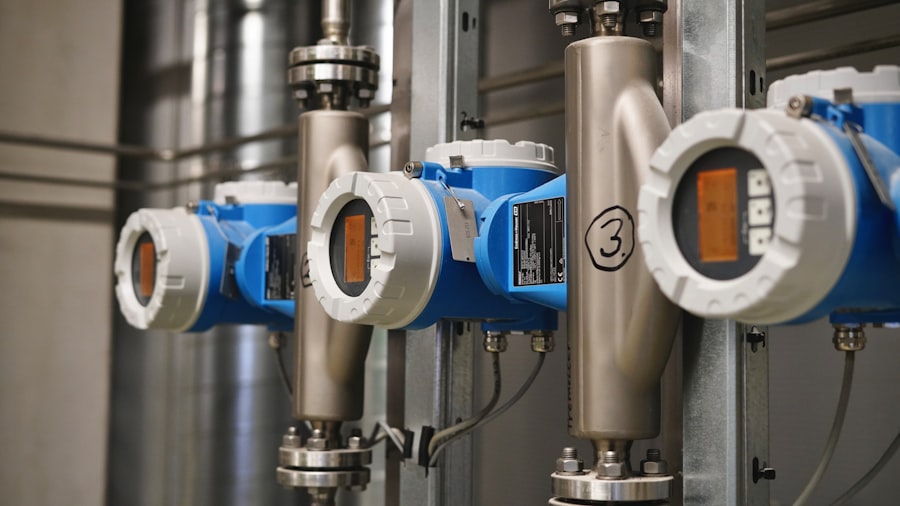
While desalination presents a promising solution to water scarcity, it is not without its environmental challenges. The construction and operation of desalination plants can have significant ecological consequences. One major concern is the intake of seawater, which can inadvertently trap marine life, including fish larvae and other organisms, leading to disruptions in local ecosystems.
Additionally, the discharge of brine—highly concentrated saltwater—back into the ocean can alter salinity levels in surrounding waters, potentially harming marine habitats. Moreover, the energy-intensive nature of desalination processes often relies on fossil fuels, contributing to greenhouse gas emissions and climate change. As such, it is essential for policymakers and environmentalists to carefully consider the ecological footprint of desalination projects.
Striking a balance between meeting human water needs and protecting marine environments is crucial for ensuring that desalination remains a sustainable option for addressing water scarcity.
The Role of Desalination in Sustainable Water Management
Desalination can play a pivotal role in sustainable water management strategies, particularly in regions where freshwater resources are limited or overexploited. By diversifying water supply sources, desalination reduces reliance on traditional freshwater sources such as rivers and aquifers, which are often subject to depletion due to overuse or pollution. This diversification is essential for building resilience against climate variability and ensuring long-term water security.
Furthermore, integrating desalination into broader water management frameworks can enhance overall efficiency. For instance, desalinated water can be used in conjunction with recycled wastewater or rainwater harvesting systems, creating a more holistic approach to water supply. By treating desalination as one component of an integrated water resource management strategy, communities can optimize their water use while minimizing environmental impacts.
Advantages and Disadvantages of Desalination as a Water Solution
| Desalination Method | Energy Consumption (kWh/m³) | Water Recovery Rate (%) | Typical Capacity (m³/day) | Common Applications |
|---|---|---|---|---|
| Reverse Osmosis (RO) | 3-6 | 40-60 | 1,000 – 100,000+ | Municipal, Industrial, Agricultural |
| Multi-Stage Flash (MSF) | 10-15 | 85-90 | 10,000 – 500,000+ | Large-scale Municipal, Industrial |
| Multi-Effect Distillation (MED) | 7-10 | 70-85 | 5,000 – 200,000+ | Municipal, Industrial |
| Electrodialysis (ED) | 2-5 | 50-70 | Up to 10,000 | Brackish Water Treatment, Industrial |
| Solar Desalination | Variable (low with solar input) | 30-50 | Small to Medium Scale | Remote Areas, Small Communities |
Desalination offers several advantages that make it an attractive option for addressing water scarcity. One of the most significant benefits is its ability to provide a reliable source of fresh water in regions where traditional sources are insufficient or unreliable. This reliability can be particularly crucial during periods of drought or in areas with rapidly growing populations.
Additionally, advancements in technology have led to increased efficiency and reduced costs associated with desalination processes. However, there are also notable disadvantages that must be considered. The high energy consumption associated with desalination can lead to increased operational costs and environmental concerns related to carbon emissions if fossil fuels are used as the primary energy source.
Furthermore, the initial capital investment required for constructing desalination plants can be substantial, posing financial challenges for some communities or countries. Balancing these advantages and disadvantages is essential for determining the feasibility of desalination as a long-term solution to water scarcity.
The Use of Renewable Energy in Desalination Plants

To mitigate the environmental impact associated with traditional energy sources, there has been a growing interest in integrating renewable energy into desalination processes. Solar power, wind energy, and other renewable sources can significantly reduce the carbon footprint of desalination plants while also lowering operational costs over time. For instance, solar desalination technologies harness sunlight to heat seawater or generate electricity for reverse osmosis systems, making them particularly suitable for sunny coastal regions.
The use of renewable energy not only enhances the sustainability of desalination but also aligns with global efforts to transition towards cleaner energy sources. By investing in renewable-powered desalination projects, communities can create a more resilient water supply system that minimizes environmental harm while addressing pressing water needs.
Innovations in Desalination Technology
The field of desalination is witnessing rapid advancements driven by technological innovation. Researchers and engineers are continually exploring new methods and materials to improve efficiency and reduce costs associated with desalination processes. For example, developments in membrane technology have led to the creation of more effective filters that can operate at lower pressures while maintaining high levels of salt rejection.
Additionally, emerging techniques such as forward osmosis and zero-liquid discharge are gaining attention for their potential to enhance desalination efficiency further. Forward osmosis utilizes osmotic pressure differences to draw fresh water from seawater without requiring high energy inputs, while zero-liquid discharge aims to minimize waste by recovering valuable minerals from brine. These innovations not only promise to make desalination more accessible but also contribute to more sustainable practices within the industry.
The Economic Viability of Desalination Projects
The economic viability of desalination projects is a critical consideration for governments and investors alike. While the initial capital investment can be substantial, ongoing advancements in technology are helping to reduce costs associated with both construction and operation. Moreover, as water scarcity becomes increasingly prevalent, the demand for reliable freshwater sources is likely to drive up the value of desalinated water.
In many cases, governments may need to provide financial support or incentives to encourage private investment in desalination projects. Public-private partnerships can play a vital role in sharing risks and ensuring that projects remain economically feasible while delivering essential services to communities. Ultimately, careful economic analysis is necessary to determine whether desalination represents a cost-effective solution compared to alternative water supply options.
Desalination and its Impact on Coastal Communities
Coastal communities stand at the forefront of the desalination debate due to their proximity to vast seawater resources. For these communities, desalination can provide a much-needed lifeline in times of drought or when freshwater supplies become compromised. However, the establishment of desalination plants can also lead to social and economic changes that impact local populations.
On one hand, desalination projects can create jobs and stimulate local economies by attracting investment and fostering innovation in related industries. On the other hand, concerns about environmental impacts and potential disruptions to marine ecosystems may lead to opposition from local residents and environmental groups. Engaging coastal communities in discussions about desalination projects is essential for ensuring that their voices are heard and that projects align with local needs and values.
The Future of Desalination: Potential for Expansion and Improvement
As global water scarcity continues to escalate, the future of desalination appears promising yet complex. There is significant potential for expansion as more countries recognize the need for alternative water sources. Innovations in technology will likely play a crucial role in shaping this future by making desalination processes more efficient and environmentally friendly.
Moreover, as public awareness grows regarding the importance of sustainable water management practices, there may be increased support for investing in desalination infrastructure. Collaborative efforts between governments, private sectors, and research institutions will be vital for driving advancements in technology while addressing environmental concerns associated with desalination.
The Importance of Regulation and Monitoring in Desalination Projects
Effective regulation and monitoring are essential components of successful desalination projects. As these facilities have the potential to impact both human health and the environment, establishing robust regulatory frameworks is crucial for ensuring compliance with safety standards and environmental protections. Governments must work closely with stakeholders—including scientists, engineers, and community members—to develop guidelines that address potential risks associated with desalination.
Ongoing monitoring is equally important for assessing the long-term impacts of desalination on marine ecosystems and local communities. By implementing comprehensive monitoring programs that track both environmental changes and community feedback, regulators can make informed decisions about how best to manage desalination projects while minimizing negative consequences. Ultimately, strong regulatory oversight will help build public trust in desalination as a viable solution for addressing global water scarcity challenges.
Desalination has emerged as a crucial solution to address water scarcity in many regions around the world. For those interested in exploring innovative approaches to desalination technologies, a related article can be found at this link. This article delves into various methods and advancements in desalination, highlighting their potential to provide sustainable water sources for communities facing drought and water shortages.
WATCH THIS! 💧 The $1 Trillion Lie: America’s Water Crisis Is 10x Worse Than They Tell You
FAQs
What is desalination?
Desalination is the process of removing salt and other impurities from seawater or brackish water to produce fresh, potable water suitable for human consumption and irrigation.
What are the common methods of desalination?
The two most common methods of desalination are reverse osmosis, which uses a semipermeable membrane to separate salt from water, and thermal distillation, which involves heating water to create steam and then condensing it to remove salts.
Where is desalination commonly used?
Desalination is commonly used in arid regions and coastal areas where freshwater resources are scarce, such as the Middle East, parts of California, Australia, and island nations.
What are the benefits of desalination water solutions?
Desalination provides a reliable source of fresh water independent of rainfall, helps alleviate water scarcity, supports agriculture and industry, and can improve public health by providing clean drinking water.
What are the environmental concerns associated with desalination?
Environmental concerns include the energy consumption of desalination plants, the discharge of highly concentrated brine back into the ocean, and potential impacts on marine life and ecosystems.
Is desalinated water safe to drink?
Yes, desalinated water is safe to drink as it undergoes rigorous treatment processes to remove salts, contaminants, and pathogens, meeting or exceeding drinking water quality standards.
How energy-intensive is desalination?
Desalination can be energy-intensive, especially thermal methods, but advances in technology, such as energy recovery devices and renewable energy integration, are reducing energy consumption.
Can desalination be used for agricultural purposes?
Yes, desalinated water can be used for irrigation and agriculture, particularly in regions where freshwater is limited, although cost and mineral content must be managed carefully.
What is the cost of desalination water solutions?
The cost varies depending on technology, scale, and location but generally includes capital investment, energy, maintenance, and operation expenses. Costs have been decreasing with technological improvements.
Are there any innovations improving desalination technology?
Yes, innovations include improved membrane materials, solar-powered desalination, forward osmosis, and hybrid systems that combine multiple treatment methods to increase efficiency and reduce environmental impact.